Exploring Ketamine Therapy for Bipolar Depression and Its Rapid Effects
Bipolar depression is a complex mental health condition that affects millions of people worldwide. Characterized by alternating periods of extreme highs (mania) and deep lows (depression), it presents a unique challenge for both patients and healthcare providers. The depressive episodes in bipolar disorder are particularly difficult to treat, often requiring long-term medication management. However, traditional antidepressants and mood stabilizers don’t always provide the immediate relief that many patients need, and they come with their own set of challenges, such as side effects or slow onset of action.
This is where ketamine therapy for bipolar depression is making waves. Ketamine, a drug originally used as an anesthetic, has shown great promise in treating mood disorders, particularly those resistant to traditional treatments. But what exactly makes ketamine such a revolutionary option for bipolar depression? And how does it work so quickly to provide relief? Let’s take a closer look at the science behind ketamine therapy and why it’s becoming a leading treatment for this challenging condition.
What Is Ketamine Therapy?
Ketamine therapy involves the use of low-dose ketamine to treat mood disorders, including bipolar depression. While ketamine was first developed as an anesthetic, its potential to address psychiatric conditions has led to its growing use in clinical settings. Unlike traditional antidepressants that often take weeks to show effects, ketamine therapy works rapidly, providing relief from depressive symptoms in hours to days.
Ketamine operates by blocking NMDA receptors in the brain, which helps to reset brain chemistry and enhance neural communication. By increasing the levels of glutamate, a key neurotransmitter involved in mood regulation, ketamine helps to quickly alleviate depressive symptoms. This mechanism is what sets ketamine apart from other antidepressants and makes it an exciting new option for treating bipolar depression.
How Ketamine Therapy Works for Bipolar Depression
Ketamine therapy is especially effective in treating bipolar depression due to its ability to provide rapid relief from depressive episodes. While traditional treatments like mood stabilizers and antidepressants often take weeks to work, ketamine acts almost immediately, offering a lifeline for individuals struggling with acute depression.
According to study, ketamine works by increasing glutamate levels in the brain, which is essential for mood regulation and cognitive function. This action helps the brain reprogram itself, promoting neuroplasticity, the brain’s ability to form new neural connections. This makes it easier for the brain to reset, helping individuals experience faster relief from depressive symptoms.
Unlike other treatments that focus on neurotransmitters like serotonin or norepinephrine, ketamine targets glutamate, the brain’s most abundant neurotransmitter. This makes ketamine particularly effective for individuals with treatment-resistant bipolar depression, offering an alternative for those who haven’t responded to conventional medications.
The Rapid Effects of Ketamine Therapy
One of the most remarkable aspects of ketamine therapy for bipolar depression is its rapid onset of action. While traditional antidepressants can take weeks to provide noticeable improvements, ketamine offers immediate relief, often within hours of administration. For many patients, this fast-acting nature makes ketamine a game-changer in managing severe depressive episodes.
By enhancing brain activity and increasing neurotransmitter function, ketamine produces swift improvements in mood, cognition, and energy levels. Many patients report feeling a significant lift in mood shortly after receiving ketamine, which is a stark contrast to the prolonged waiting periods associated with conventional treatments.
This quick turnaround is especially crucial for individuals in the midst of severe depressive episodes, where immediate intervention is necessary to prevent worsening symptoms. Ketamine therapy offers an effective and timely solution, providing relief when it is most needed.
How Ketamine Treatment Differs from Traditional Bipolar Depression Treatments
Traditional medications for bipolar depression, such as mood stabilizers, antipsychotics, and antidepressants are effective for long-term management, but they often come with significant drawbacks. Many of these drugs take weeks to show effects, leaving patients frustrated and waiting for relief. Additionally, they can have side effects like weight gain, sexual dysfunction, or cognitive impairment.
In contrast, ketamine therapy for bipolar depression offers a fast-acting solution. Patients can experience relief in a matter of hours, significantly improving their quality of life in the short term. Ketamine’s ability to deliver rapid results is a major advantage over traditional treatments.
Moreover, ketamine’s mechanism of action is distinct. Unlike standard antidepressants, which primarily affect serotonin or norepinephrine, ketamine works by targeting glutamate, a neurotransmitter that is critical for mood regulation. This unique approach allows ketamine to address the root causes of depression in a more targeted and effective way.
What Are the Safety and Side Effects of Ketamine Therapy?
As with any medical treatment, safety is a top priority when considering ketamine therapy for bipolar depression. While ketamine has been shown to be safe and effective when administered under the supervision of trained professionals, it does come with potential side effects. These side effects are typically temporary and mild, but it’s important to be aware of them before undergoing treatment.
Common Side Effects of Ketamine Therapy:
- Dissociation: Some individuals may experience a sense of detachment from their surroundings or body during treatment. This sensation is usually short-lived and dissipates after the session.
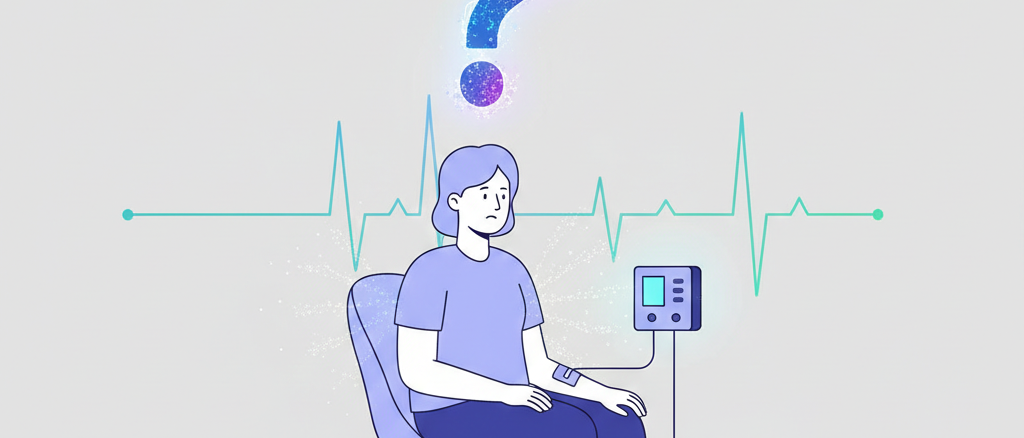
- Increased Blood Pressure and Heart Rate: Ketamine can cause a temporary rise in blood pressure and heart rate during treatment, although these changes are generally monitored and controlled by healthcare professionals.
- Nausea and Dizziness: A small percentage of patients may feel lightheaded or nauseous immediately after treatment. These effects are often transient and resolve quickly.
Safety Considerations:
While ketamine therapy is generally safe, it is important to undergo treatment in a controlled clinical environment with medical oversight. This ensures that any potential side effects are managed effectively, and the patient is closely monitored throughout the process.
Ketamine therapy is particularly beneficial for patients with treatment-resistant bipolar depression – those who have not found relief from conventional treatments. However, it is essential that you consult with a qualified healthcare provider to determine whether ketamine is the best option for your specific needs.

How Does the Mind Brain Institute Approach Ketamine Therapy for Bipolar Depression?
At the Mind Brain Institute, ketamine therapy is administered as part of a comprehensive, personalized treatment plan. We employ an integrative approach to mental health care, combining ketamine therapy with other advanced therapies such as Transcranial Magnetic Stimulation (TMS) and neurofeedback.
The Mind Brain Institute’s team of mental health professionals works closely with patients to tailor treatment plans to their specific needs, ensuring the best possible outcomes. By combining cutting-edge therapies with compassionate care, the institute offers a holistic treatment approach that addresses both the biological and psychological aspects of bipolar depression.
Patients at the Mind Brain Institute benefit from a multidisciplinary approach, which means they receive treatment that is as much about mental wellness as it is about medical intervention.
How Can You Get Started with Ketamine Therapy for Bipolar Depression?
If you’re considering ketamine therapy for bipolar depression, the first step is to schedule a consultation with a licensed mental health professional. During this initial meeting, your healthcare provider will assess your symptoms, medical history, and treatment goals to determine if ketamine therapy is the right choice for you.
Once approved, treatment usually begins with a series of infusion sessions. Ketamine is administered intravenously or via intranasal spray, and the effects are typically felt within hours. After treatment, follow-up care is essential to monitor progress and ensure continued success.
Is Ketamine Therapy the Right Choice for You?
Ketamine therapy for bipolar depression offers a promising solution for those who have not found success with traditional treatments. Its ability to provide rapid relief and effective results, especially in cases of treatment-resistant depression, makes it an invaluable tool in the fight against bipolar depression.
If you or someone you know is struggling with bipolar depression and conventional treatments have not provided the desired results, ketamine therapy may offer the breakthrough you need. Consult with a trusted healthcare provider, like the experts at the Mind Brain Institute, to determine whether this cutting-edge therapy is right for you.

Dr. Anuranjan Bist stands as a pioneering figure in the field of mental health, seamlessly blending traditional psychiatric methods with holistic wellness practices. With a profound understanding of the human mind and body, Dr. Bist has redefined therapeutic approaches by integrating Transcranial Magnetic Stimulation (TMS) and Ketamine therapy with ancient yoga techniques, showcasing his innovative spirit and dedication to comprehensive care.