A Complete Guide to Neuromodulation Therapy for Mental Health Relief
There comes a point in many people’s mental health journey where the usual path begins to feel uncertain and incomplete. You try medications, you wait patiently, you hope for change, and yet something continues to feel unresolved at a deeper level. It is not a lack of effort. It is often a limitation of the approach itself. This is where neuromodulation therapy begins to transform how we understand treatment. Instead of working indirectly through the body, neuromodulation treatment focuses directly on the brain, where emotions, behaviors, and patterns are actually formed. Mind Brain Institute’s goal is to simplify complex neuroscience and help people understand emerging treatments like neuromodulation therapy in a clear and meaningful way. As mental health science advances, neuromodulation therapy is no longer just an alternative. It is becoming a more precise and thoughtful direction in modern care.
What is neuromodulation therapy, and why is it gaining importance today
Neuromodulation therapy is a clinical approach that uses controlled electrical or magnetic stimulation to influence how brain circuits function. Unlike medication, which travels through the bloodstream and affects the entire system, neuromodulation treatment works directly on specific areas of the brain responsible for mood, emotional regulation, and behavior. According to Mount Sinai’s explanation of neuromodulation, this method allows clinicians to modify nerve activity in a targeted and measurable way. The growing importance of neuromodulation therapy comes from a deeper understanding of mental health. Conditions like depression and anxiety are now seen as circuit-level dysfunctions rather than just chemical imbalances. This shift has made neuromodulation treatment one of the most promising directions in modern psychiatry.
How does neuromodulation therapy work inside the brain
The brain operates through a complex network of electrical signals that regulate thoughts, emotions, and behavior. When these signals become imbalanced, the effects are experienced as mental health conditions. In depression, certain brain regions become underactive and fail to regulate mood effectively. In anxiety, fear circuits become overactive and remain switched on even without real danger. In obsessive-compulsive disorder, repetitive loops continue without control. Neuromudulation therapy works by directly influencing these patterns. It stimulates underactive areas and calms overactive circuits, gradually restoring a more stable communication system in the brain. Research published in a Frontiers in Neuroengineering study on neuromodulation explains how targeted stimulation can reshape neural pathways and improve outcomes. This is what makes neuromodulation treatment fundamentally different because it focuses on correcting the root mechanism rather than suppressing symptoms.
What types of neuromodulation treatment are commonly used today
Neuromodulation therapy includes multiple approaches that are selected based on the condition and clinical requirements. These methods are widely discussed in modern neuroscience and clinical practice.
- Transcranial Magnetic Stimulation uses magnetic pulses to activate specific brain regions associated with mood regulation and is widely used for depression.
- Transcutaneous Vagus Nerve Stimulation (tVNS) gently stimulates the vagus nerve through the ear to regulate stress and emotional balance
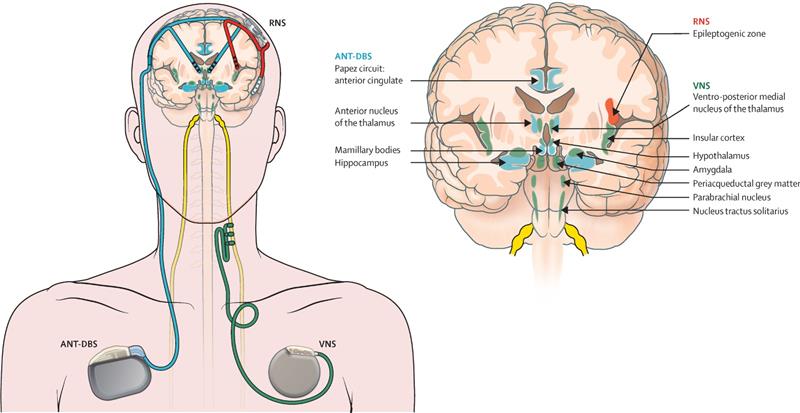
- Deep Brain Stimulation is an advanced option used in severe cases where deeper intervention is required.
- Transcranial Direct Current Stimulation (tDCS) uses low-intensity currents and is emerging as a flexible and accessible approach.
Each of these forms of neuromodulation treatment reflects a different way of influencing brain activity with precision.
Why are more people choosing neuromodulation therapy over medication?
When comparing neuromodulation therapy with traditional medication, the difference lies in precision, adaptability, and how directly the treatment interacts with the brain. Medication works through the bloodstream and affects the entire body, while neuromodulation treatment focuses specifically on targeted brain circuits. This makes neuromodulation therapy more personalized and often better suited for individuals who have not responded to standard approaches.
The comparison below highlights the key differences between these two methods.
| Feature | Neuromodulation Therapy | Medication |
| Targeting | Highly precise | Whole body |
| Side Effects | Low | Moderate to high |
| Speed | Moderate to fast | Slow |
| Personalization | High | Limited |
In general, medication may work well for mild to moderate conditions, while neuromodulation treatment is often more effective in treatment resistant or severe cases where precision becomes essential. This shift from a trial-and-error approach to a targeted intervention is one of the key reasons why more people are exploring neuromodulation treatment.
How effective is neuromodulation therapy for depression, anxiety, and OCD
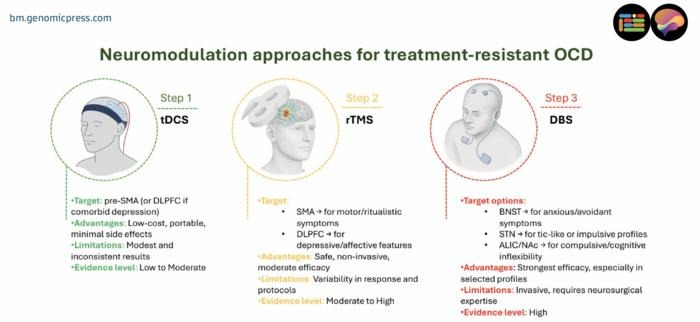
The effectiveness of neuromodulation therapy becomes especially clear in conditions where traditional methods have not provided consistent relief. In depression, particularly treatment-resistant cases, neuromodulation treatment helps activate brain regions responsible for mood and motivation. For a deeper understanding of depression, you can explore Understanding depression symptoms and causes. In anxiety disorders, where the brain remains in a constant state of alertness, neuromodulation therapy helps calm these circuits and restore a sense of control. Complementary approaches, such as Neurofeedback for anxiety disorders, further enhance this process. In obsessive-compulsive disorder, neuromodulation treatment works by interrupting repetitive loops and allowing the brain to reset. Across these conditions, neuromodulation therapy focuses on restoring balance rather than simply reducing symptoms.
Is neuromodulation therapy safe and comfortable for patients?
Safety is one of the most important considerations when exploring any treatment option, and neuromodulation therapy offers reassurance in this area. Non-invasive methods such as Transcranial Magnetic Stimulation and Transcutaneous Vagus Nerve Stimulation are widely considered safe when performed under clinical supervision. Most patients describe the experience as manageable and not painful. Some mild and temporary effects may occur during neuromodulation treatment.
- Mild headache in the initial sessions
- Slight tingling or tapping sensation
- Temporary sensitivity in the treated area
These effects are usually short-lived and significantly less disruptive compared to long-term medication side effects. This makes neuromodulation therapy a practical and comfortable option for many individuals.
Who should consider neuromodulation therapy?
Neuromodulation therapy is particularly relevant for individuals who feel that their current treatment approach is not fully addressing their needs. This includes people who have not responded well to medications, those who experience persistent symptoms despite therapy, and individuals who prefer a non-drug-based approach. The purpose of understanding neuromodulation treatment through platforms like Mind Brain Institute is to help individuals make informed decisions in consultation with qualified professionals.
What does the future hold for neuromodulation therapy
The future of neuromodulation therapy is closely linked with advancements in neuroscience and technology. With the integration of artificial intelligence and real-time brain mapping, neuromodulation treatment is becoming more adaptive and personalized than ever before. This means that treatments can respond dynamically to changes in brain activity, improving outcomes over time. Beyond mental health, neuromodulation therapy is also being explored for conditions such as chronic pain, addiction, and neurological disorders. This expanding scope highlights its potential as a foundational approach in modern medicine.
Conclusion
Mental health care is evolving toward approaches that are more precise, more personalized, and more aligned with how the brain actually works. Neuromodulation therapy represents this evolution by directly targeting the circuits that shape thoughts, emotions, and behavior. The goal of the Mind Brain Institute is to make such advanced concepts easier to understand so that individuals can explore better treatment pathways with clarity and confidence. If you have been searching for a deeper understanding of how modern treatments work, neuromodulation therapy offers a direction that is grounded in science and focused on meaningful change.
Frequently Asked Questions
Is neuromodulation therapy safe for long-term use?
Neuromodulation therapy is generally considered safe, especially non-invasive methods such as Transcranial Magnetic Stimulation and Transcutaneous Vagus Nerve Stimulation. When performed under clinical supervision, it offers a controlled and targeted approach with minimal long-term risks.
Does neuromodulation treatment cause pain or discomfort?
Most individuals experience only mild sensations during neuromodulation treatment, such as a gentle tapping or tingling feeling. It is not considered painful and is usually well tolerated across sessions.
How long does it take to see results from neuromodulation therapy?
The timeline can vary depending on the individual and the condition being treated. Many people begin to notice improvements within a few weeks, while others may require a longer duration for more noticeable changes.
Can neuromodulation therapy replace medication completely?
In some cases, neuromodulation therapy can reduce the need for medication, but it is often used as part of a broader treatment plan. The decision depends on individual response and should always be guided by a qualified professional.
Who is the ideal candidate for neuromodulation treatment
Individuals who have not responded well to medication, those experiencing persistent symptoms, or people seeking a non-drug-based approach are often considered suitable candidates for neuromodulation therapy.
Are the results of neuromodulation therapy permanent
The results can be long-lasting, but some individuals may require maintenance sessions over time. Neuromudulation treatment focuses on improving brain function, which can provide sustained benefits when supported by ongoing care.

Dr. Anuranjan Bist stands as a pioneering figure in the field of mental health, seamlessly blending traditional psychiatric methods with holistic wellness practices. With a profound understanding of the human mind and body, Dr. Bist has redefined therapeutic approaches by integrating Transcranial Magnetic Stimulation (TMS) and Ketamine therapy with ancient yoga techniques, showcasing his innovative spirit and dedication to comprehensive care.