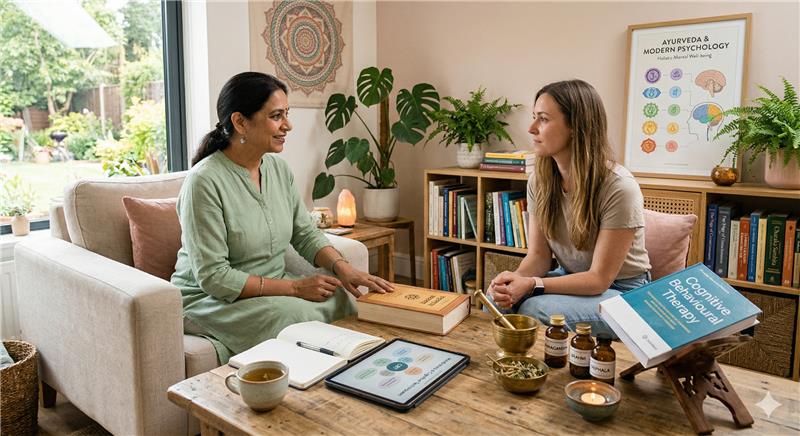
We’ve inherited a strange split in how we understand the mind. Modern psychiatry speaks in the language of neurotransmitters, brain regions, and diagnostic criteria. Ayurveda speaks of doshas, constitutional types, and the body’s inherent intelligence. One maps mental illness to circuits that misfire. The other sees an imbalance in a system that’s forgotten its rhythm.
For decades, these worlds barely acknowledged each other. And when they did, it was often with skepticism, sometimes dismissal. Reductionist versus holistic. Evidence-based versus experiential. The brain versus… everything else. But something is shifting. The deeper neuroscience goes, the more it stumbles into questions that sound remarkably familiar to Ayurvedic physicians: Why does the same diagnosis, the same medication, produce wildly different outcomes in different people? How does the gut microbiome influence anxiety and depression? What role does circadian rhythm play in mental resilience? Why does individual variation matter so much?
These aren’t revelations to Ayurveda. They’re starting points. The conversation between Ayurvedic psychiatry and modern neuroscience is no longer hypothetical. It’s happening in research labs, clinical settings, and the lived experience of practitioners willing to look beyond their training. When we explore these systems not through surface-level metaphors but through rigorous inquiry, we find something unexpected. They’re pointing toward the same truth. Mental health is not just in the brain. It is in the system. This is about building authentic bridges between them.
Why Does Modern Psychiatry Still Struggle With Personalization?
Despite incredible advancements, modern psychiatry still relies heavily on broad diagnostic labels. Two individuals with the same diagnosis may experience entirely different symptoms, yet often receive similar treatments. This is where the limitation lies.
Mental health conditions are shaped by genetics, environment, lifestyle, and internal biology. Yet, traditional models often simplify this complexity. The result? Trial-and-error treatments, delayed recovery, and patient frustration.
This gap has led many professionals to rethink how Ayurveda and modern psychology can complement each other. Ayurveda, unlike standardized diagnostic systems, begins with a simple but profound question: Who is this person, truly?
What Is Ayurvedic Psychiatry and How Does It View Mental Health?
Ayurvedic psychiatry, often described under Manas Roga, approaches mental health through balance rather than classification.
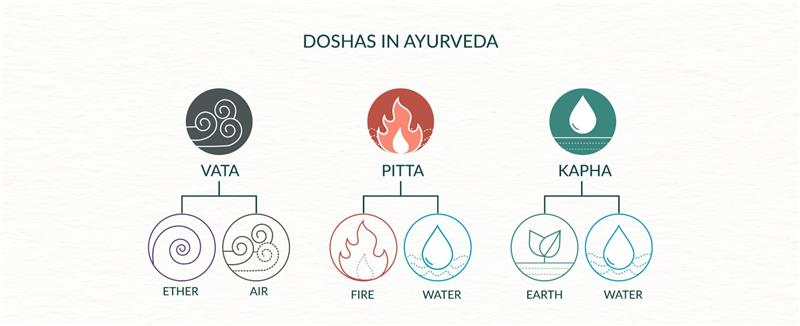
At its core are the three doshas:
- Vata (movement and communication)
- Pitta (transformation and intensity)
- Kapha (stability and structure)
Each individual carries a unique combination of these forces. When balanced, they support emotional stability. When disrupted, they manifest as anxiety, irritability, or lethargy.
This is where Ayurveda and modern psychology intersect beautifully. Both recognize patterns in behavior, thought, and emotion. But Ayurveda adds another layer: it connects these patterns to physiology, digestion, lifestyle, and even seasonal rhythms.
How Do Doshas Influence Emotional and Cognitive Patterns?
A Vata imbalance may present as racing thoughts and anxiety. A Pitta imbalance may appear as anger or perfectionism. A Kapha imbalance may lead to low motivation or depression. Interestingly, these patterns are increasingly being explored through Ayurveda and neuroscience, especially in understanding how stress responses and brain chemistry vary across individuals.
How Does Modern Neuroscience Explain Mental Health Disorders?
Modern neuroscience brings precision to the conversation. It studies neural circuits, neurotransmitters, and brain structure. We now understand:
- Depression involves changes in serotonin and neural connectivity
- Anxiety is linked to hyperactive threat circuits
- Chronic stress alters brain plasticity
Through Ayurveda and neuroscience, researchers are beginning to draw parallels between biological markers and traditional Ayurvedic classifications.
What Are the Limits of Purely Biological Models?
While neuroscience provides measurable insights, it often isolates the brain from the rest of the body. But the human experience is not isolated. This is where Ayurveda and modern psychology offer a broader lens. They remind us that digestion, sleep, lifestyle, and emotional environment all influence mental health.
Where Do Ayurveda and Modern Psychology Overlap Naturally?
The overlap is not forced; it is natural. Modern psychology studies personality traits. Ayurveda studies doshas.
Psychology explores cognition. Ayurveda explores the gunas Sattva, Rajas, Tamas.
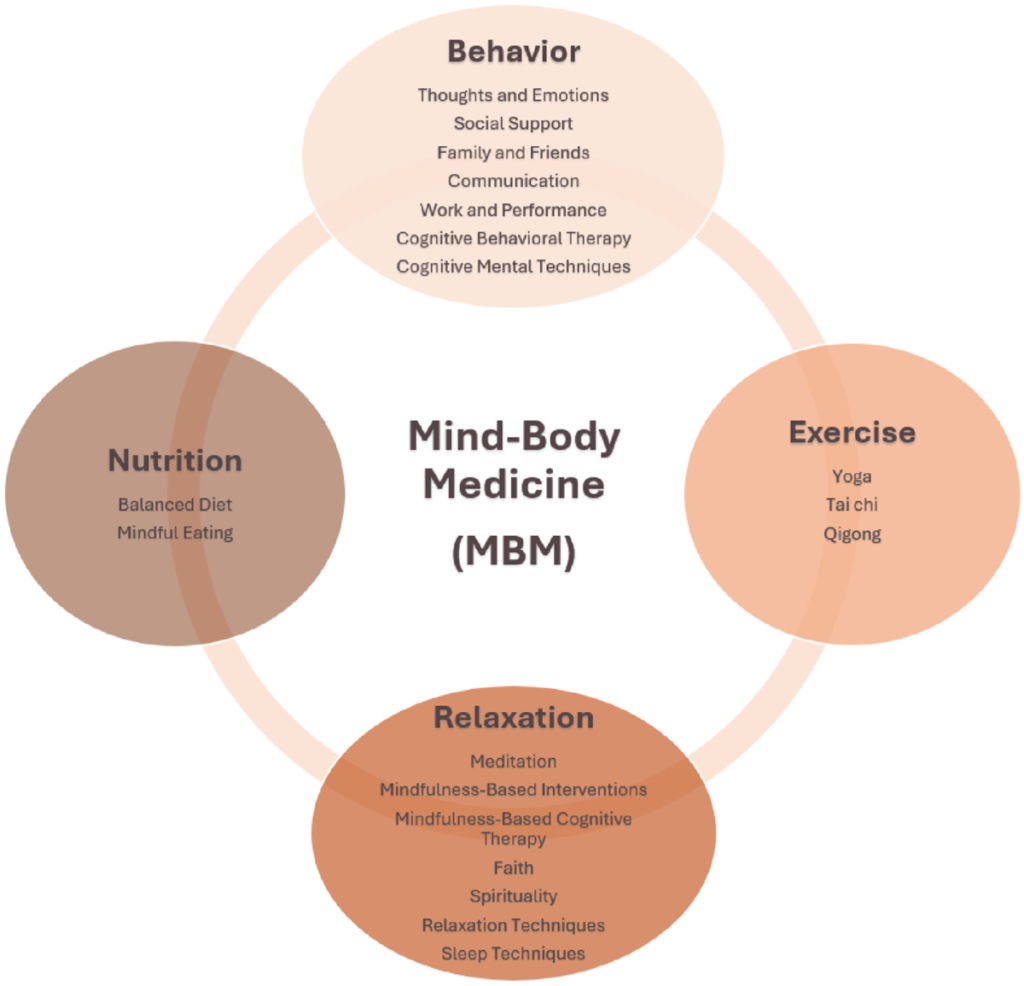
Both systems are trying to map the same terrain from different perspectives. In fact, the integration of Ayurveda and modern psychology is already visible in therapy practices that include mindfulness, behavioral change, and lifestyle modification. This convergence suggests that the future of mental health lies not in choosing one system, but in combining both intelligently.
Can Ayurveda and Neuroscience Be Scientifically Aligned?
This is where things become truly exciting. Emerging research in Ayurveda and neuroscience is uncovering surprising connections:
- The gut-brain axis aligns with Ayurvedic emphasis on digestion
- Chronic inflammation correlates with dosha imbalance
- Stress hormones mirror Ayurvedic concepts of systemic disturbance
A study published on PubMed highlights how traditional systems like Ayurveda can complement biomedical understanding. Additionally, real-world discussions, such as this LinkedIn perspective on Ayurveda and neuroscience, reflect growing interest in bridging these disciplines. This is not about replacing science. It is about expanding it.
What Does an Integrated Mental Health Model Look Like?
Imagine a system where diagnosis is not limited to symptoms.
Instead, it includes:
- Psychological assessment
- Dosha profiling
- Neurological evaluation
Treatment becomes layered:
- Therapy for thought patterns
- Lifestyle adjustments for systemic balance
- Nutritional support
- Brain-based interventions are necessary
This is where Ayurveda and modern psychology meet clinical innovation.
How Personalization Becomes the Core Advantage
Personalization is no longer optional; it is essential. When we integrate Ayurveda and neuroscience, treatment is no longer reactive. It becomes predictive and preventive. Patients are not treated as cases. They are understood as systems.
How Can This Integration Improve Treatment Outcomes?
The benefits are not theoretical—they are practical.
- Faster identification of root causes
- Reduced dependency on trial-and-error medication
- Improved long-term stability
- Better patient engagement
By combining Ayurveda and modern psychology, practitioners can create treatment plans that patients actually relate to and follow. This is especially relevant in culturally sensitive contexts. For example, mental health awareness in India is deeply influenced by family and societal dynamics. You can explore this further in this internal resource on depression in the Indian context.
What Are the Challenges in Bridging Ayurveda and Neuroscience?
Every integration comes with resistance. Some challenges include:
- Lack of standardized clinical frameworks
- Skepticism from conventional medical systems
- Misrepresentation of Ayurveda as unscientific
- Need for rigorous research
However, these are not barriers. They are opportunities. As more institutions explore Ayurveda and neuroscience, credibility will grow.
Is This the Future of Mental Health Care?
The shift is already happening. Precision psychiatry, AI-driven diagnostics, and integrative medicine are redefining care. Within this transformation, Ayurveda and modern psychology are finding a renewed voice. Patients today are not just looking for relief. They are looking for understanding. And that is exactly what this integration offers. For more insights into evolving mental health approaches, you can explore additional resources on the Mind Brain Institute blogs.
Conclusion
The conversation is no longer about choosing between ancient wisdom and modern science. It is about recognizing that both were always trying to understand the same complexity of the human mind. When Ayurveda and modern psychology come together, supported by insights from Ayurveda and neuroscience, mental health care becomes more human, more precise, and more complete. This is not just integration. This is the future of healing.
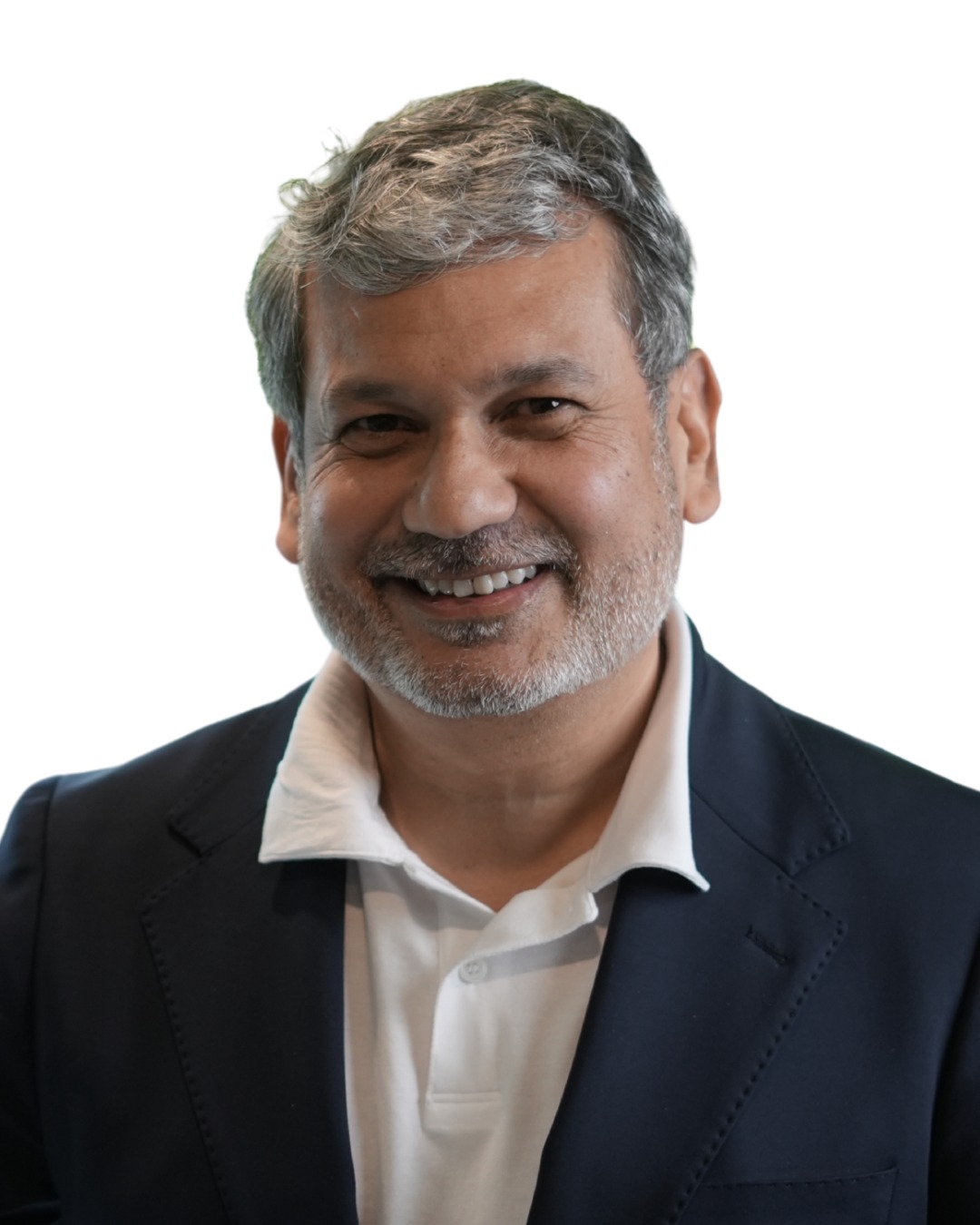
Dr. Anuranjan Bist stands as a pioneering figure in the field of mental health, seamlessly blending traditional psychiatric methods with holistic wellness practices. With a profound understanding of the human mind and body, Dr. Bist has redefined therapeutic approaches by integrating Transcranial Magnetic Stimulation (TMS) and Ketamine therapy with ancient yoga techniques, showcasing his innovative spirit and dedication to comprehensive care.