
Why ADHD is Underdiagnosed and where to get the Best ADHD Treatment in Delhi
There is a quiet pattern that repeats itself in many Indian homes, so familiar that it rarely raises concern. A child who cannot sit still is told to “calm down.” A student who struggles to focus is labeled “careless.” An adult who constantly misplaces things is seen as “disorganized.”
Over time, these labels become identities. What often goes unnoticed is that these are not personality flaws; they are potential signs of Attention Deficit Hyperactivity Disorder (ADHD), a neurodevelopmental condition that affects attention, impulse control, and executive functioning.
Despite increasing awareness, ADHD remains significantly underdiagnosed in India. Studies show prevalence rates ranging from 1.3% to 28.9%, yet only a fraction of individuals receive timely diagnosis and care. This gap is not just medical, it is cultural, educational, and systemic. And it is precisely why access to the best ADHD treatment in Delhi or the best ADHD treatment in India is not just about treatment anymore; it is about recognition, validation, and early intervention.
What makes ADHD a misunderstood condition in Indian society?
How are ADHD symptoms normalized within families?
In many Indian households, behavioral patterns associated with ADHD are absorbed into everyday language. An impulsive child becomes “naughty.” A teenager who struggles with attention becomes “lazy.” These labels are often used casually, without an understanding of what lies beneath. This normalization delays the possibility of seeking help. Families tend to believe that children will “grow out of it,” especially when older generations reinforce this belief. By the time the challenges become undeniable, such as poor academic performance, emotional frustration, or social difficulties, the condition may have already progressed without support. Accessing the best ADHD treatment in Delhi at an earlier stage could significantly change this trajectory, but awareness remains the first barrier.
How do parental expectations influence diagnosis?
Parenting in India is often deeply tied to achievement, especially academic success. When a child struggles to meet expectations, the immediate response is usually corrective rather than investigative. Parents may assume a lack of discipline, insufficient effort, or distraction due to external factors like screens or peer influence. Rarely is the possibility of a neurodevelopmental condition considered early on. This perspective creates an environment where children internalize failure instead of receiving support. A child with ADHD may repeatedly hear that they are “not trying hard enough,” when in reality, their brain processes information differently. Improving awareness around ADHD diagnosis in India and guiding families toward the Best ADHD treatment in India can help shift this mindset from blame to understanding.
How does gender bias affect ADHD identification?
ADHD does not always look the same, and this difference is particularly evident across genders. Boys are more likely to display hyperactive and impulsive behaviors, such as running, interrupting, and acting out, which naturally draw attention. These behaviors are disruptive and,d therefore, more likely to be flagged. Girls, however, often present with inattentive symptoms. They may appear quiet, withdrawn, or simply “lost in thought.” Because they are not disruptive, their struggles are frequently overlooked, both at home and in school. As a result, many girls remain undiagnosed throughout childhood, only seeking help later in life when challenges begin to affect work, relationships, or emotional well-being. This delayed recognition increases the demand for Adult ADHD treatment in India, often after years of silent struggle.
How do joint family dynamics impact intervention?
Joint family systems, while offering emotional and logistical support, can sometimes complicate the decision to seek professional help. Different generations bring different beliefs. While younger parents may be open to medical evaluation, older family members may view behavioral issues as temporary or non-medical. Advice like “we handled it without doctors” or “children today are just more distracted” can discourage early intervention. These conflicting perspectives can delay access to the best ADHD treatment, even when symptoms are clearly present. Navigating this dynamic requires both awareness and sensitivity, especially when introducing the idea of mental health support.
How does the Indian education system contribute to missed ADHD diagnoses?
Does academic pressure mask ADHD symptoms?
The Indian education system places significant emphasis on structured learning, memorization, and examination performance. In early years, this structure can sometimes mask ADHD symptoms, especially in children who are intelligent and capable of coping temporarily. However, as students progress to higher grades, the demands shift. Independent thinking, time management, and organizational skills become essential. It is often at this stage that ADHD-related challenges begin to surface more clearly. Students who once “managed somehow” begin to struggle consistently. Without recognition and support, this can lead to declining confidence and increased stress. Access to appropriate ADHD treatment options in India becomes critical at this point.
Are teachers equipped to recognize ADHD?
Teachers play a crucial role in early identification, yet most are not trained to recognize neurodevelopmental conditions like ADHD. Inattention may be interpreted as a lack of interest. Impulsivity may be seen as defiance. Hyperactivity may be labeled as indiscipline. Without the right framework, these behaviors are managed through punishment or correction rather than understanding. Introducing teacher training programs focused on ADHD symptoms in children in India could significantly improve early detection and referral to ADHD specialists in Delhi.
Why are school support systems limited?
While some private institutions offer counseling and special education support, many schools, especially public ones, lack these resources entirely. There are limited structured interventions, minimal psychological support, and often no system for identifying or tracking developmental concerns. This absence of institutional support places the entire burden on families. In such cases, seeking external help through ADHD therapy in India becomes the only viable option for proper diagnosis and intervention.
Are there disparities between urban and rural diagnoses?
The gap between urban and rural mental health access in India is significant. Urban centers like Delhi have relatively better access to specialists, diagnostic tools, and awareness campaigns. In contrast, rural areas often lack both infrastructure and awareness. Children in these regions may go undiagnosed entirely, reinforcing the importance of expanding ADHD mental health support in India beyond metropolitan areas.
What clinical challenges make ADHD diagnosis difficult in India?
Is there a shortage of mental health professionals?
India faces a well-documented shortage of mental health professionals, particularly those specializing in child and adolescent care. This shortage leads to long waiting times, limited consultation opportunities, and uneven distribution of care, most of it concentrated in urban areas. As a result, accessing the Best ADHD treatment in India can be challenging for many families, especially those outside major cities.
Are diagnostic tools suitable for Indian patients?
Many diagnostic frameworks used in India are adapted from Western contexts. While clinically valid, they may not fully capture cultural nuances in behavior, family dynamics, or educational expectations. For example, what is considered inattentive behavior in one cultural setting may be perceived differently in another. This can lead to underdiagnosis or misinterpretation of symptoms. Working with experienced ADHD specialists in Delhi who understand these contextual differences is essential for accurate evaluation.
What is diagnostic overshadowing in ADHD?
ADHD rarely exists in isolation. It often co-occurs with conditions such as anxiety, depression, or bipolar disorder. In many cases, these secondary conditions become the focus of treatment, while the underlying ADHD remains unrecognized. This phenomenon, known as diagnostic overshadowing, can delay effective intervention. A comprehensive approach, often part of the best ADHD treatment in Delhi, ensures that all aspects of an individual’s mental health are evaluated together.
Why are referral timelines so long?
In India, the healthcare journey often begins with a pediatrician or general physician. While they play an important role, they may not always have specialized training in ADHD. This can lead to delays in referral to psychiatrists or psychologists, prolonging the diagnosis process. By the time specialized care is accessed, symptoms may have already intensified. Reducing these delays is essential for improving access to the best ADHD treatment in India.
What do current data trends reveal about ADHD in India?
Available data highlights both the prevalence and the complexity of ADHD in India. School-based studies suggest a pooled prevalence of around 7.1%, with higher rates among males. However, community-based studies indicate that inattentive ADHD is often less visible but equally significant, particularly in urban populations like Delhi.
Adult ADHD, too, is gaining attention, with clinical studies reporting prevalence rates ranging from 5.48% to 25.7%. These numbers reflect not just the presence of ADHD, but also the scale of underdiagnosis. This makes access to the best ADHD treatment in Delhi and across the country an urgent priority.
Why is adult ADHD particularly underdiagnosed in India?
How do symptoms evolve in adulthood?
As individuals grow older, the outward signs of ADHD often change. Hyperactivity may reduce, but internal challenges persist, such as difficulty focusing, managing time, organizing tasks, or regulating emotions. Because these symptoms are less visible, they are often attributed to personality traits rather than recognized as part of a clinical condition.
Why is adult ADHD mistaken for other conditions?
Many symptoms of adult ADHD overlap with anxiety and depression. Chronic overwhelm, forgetfulness, and restlessness can easily be misinterpreted. As a result, individuals may receive treatment for these conditions without addressing the root cause. Access to adult ADHD treatment in India becomes crucial for accurate diagnosis and long-term improvement.
What are the consequences of late diagnosis?
The impact of late diagnosis can be profound. Professionally, individuals may struggle with consistency and productivity. Personally, relationships may be affected by misunderstandings and communication challenges. Perhaps most significantly, years of unexplained difficulty can lead to low self-esteem and self-doubt. Early access to the best ADHD treatment in India can prevent these long-term consequences.
What are the consequences of untreated ADHD in India?
Untreated ADHD affects far more than attention. It influences how individuals perceive themselves, how they interact with others, and how they navigate life’s challenges. Academic difficulties, emotional distress, and even increased risk of substance use are common outcomes. But perhaps the most overlooked consequence is the internal narrative believing that one is “not good enough” or “always falling short.” Timely access to the best ADHD treatment in Delhi can change not just outcomes, but identities.
How can India improve ADHD diagnosis and awareness?
Improving ADHD care in India requires a multi-layered approach. Public awareness campaigns can reduce stigma and encourage families to seek help earlier. Schools can play a proactive role by integrating screening and teacher training programs. Healthcare systems can expand access to specialized care, particularly in underserved areas. Most importantly, a multidisciplinary approach bringing together psychiatrists, psychologists, educators, and families can create a more supportive ecosystem. This is the foundation of the Best ADHD treatment in India.
What should you look for in the best ADHD treatment in Delhi and India?
Choosing the right treatment is not just about availability; it is about approach. The best ADHD treatment in Delhi focuses on comprehensive evaluation, personalized care plans, and long-term support. It combines behavioral therapy, medical management, and continuous monitoring. Most importantly, it recognizes that ADHD is not a limitation; it is a different way of processing the world.
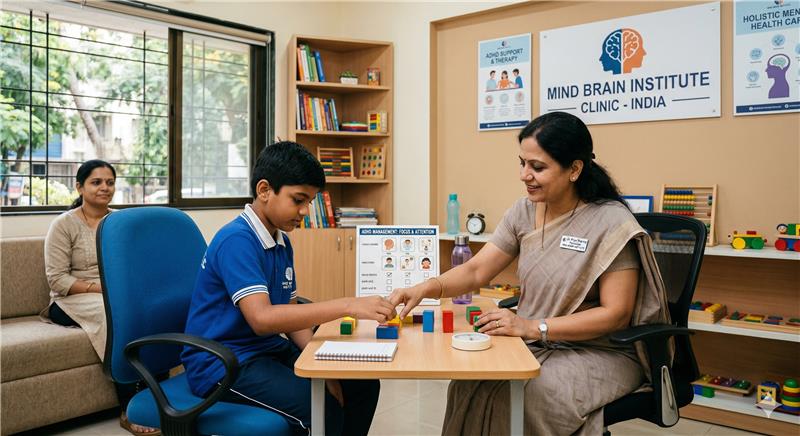
How does the Mind Brain Institute approach ADHD diagnosis and care?
At Mind Brain Institute, ADHD is approached with depth, precision, and personalization. Each individual is evaluated beyond surface-level symptoms, with careful attention to history, environment, and coexisting conditions. Treatment plans are tailored, ensuring that care is aligned with the individual’s needs, not a predefined template. This commitment to individualized care reflects what defines the Best ADHD treatment in Delhi.
Final thoughts on ADHD underdiagnosis in India
ADHD in India is not rare. It is simply underrecognized. Behind every missed diagnosis is a story of potential waiting to be understood. As awareness grows and access improves, more individuals will find answers and with them, a sense of relief. The journey begins with recognition. And the right support through the Best ADHD treatment in Delhi and across India can make all the difference.
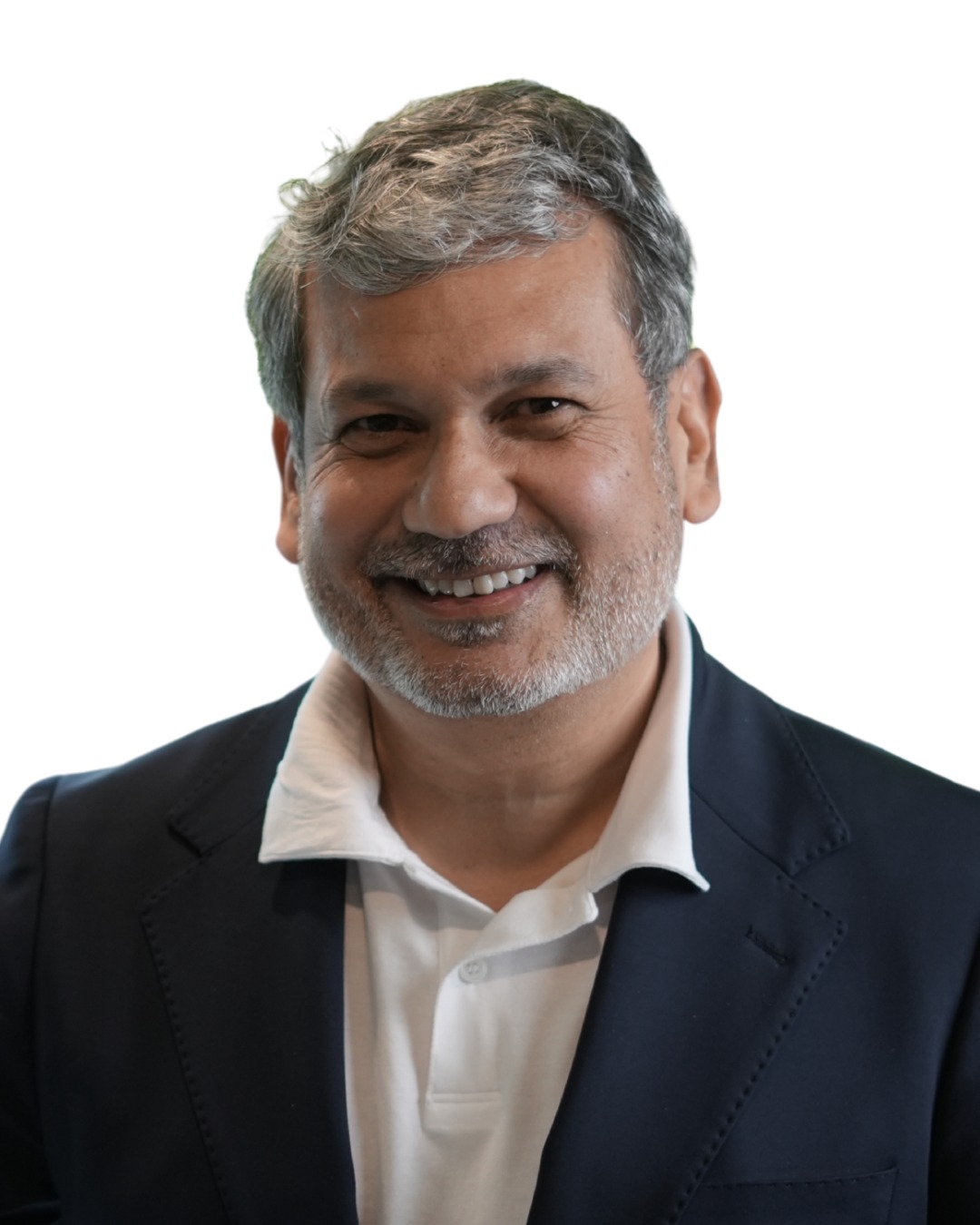
Dr. Anuranjan Bist stands as a pioneering figure in the field of mental health, seamlessly blending traditional psychiatric methods with holistic wellness practices. With a profound understanding of the human mind and body, Dr. Bist has redefined therapeutic approaches by integrating Transcranial Magnetic Stimulation (TMS) and Ketamine therapy with ancient yoga techniques, showcasing his innovative spirit and dedication to comprehensive care.