
Exploring the Potential of Ketamine Treatment for Eating Disorders
Eating disorders are complex mental health conditions characterized by abnormal eating behaviors and a preoccupation with body weight or shape.
Eating disorders are complex mental health conditions characterized by abnormal eating behaviors and a preoccupation with body weight or shape.

Eating disorders, including anorexia nervosa, bulimia nervosa, and binge-eating disorder, are complex mental health conditions that significantly impact the physical and emotional well-being of millions worldwide.

Breaking the Stigma of Men’s Mental Health Mental health is a crucial aspect of overall well-being, yet it is often neglected or stigmatized, particularly among men. Societal pressures and stereotypes about masculinity can create barriers that prevent men from seeking help or even acknowledging their mental health struggles. This is especially true for fathers, who may feel additional pressures to appear strong and unshakeable. In this blog post, we will explore ways to break the stigma surrounding men’s mental health and encourage open conversations among fathers. How to Overcome Societal Pressures and Stereotypes Related to Masculinity 1. Challenge Traditional Gender Norms Traditional gender norms often dictate that men should be stoic, self-reliant, and emotionally reserved. Challenging these norms is crucial. Encourage men to embrace a full range of emotions and to understand that vulnerability is a human trait, not a gendered one. 2. Promote Positive Masculinity Positive masculinity emphasizes traits like empathy, cooperation, and emotional intelligence. Highlight examples of men who exemplify these qualities and showcase how these traits contribute to stronger, healthier relationships and communities. Also Read: Debunking Myths and Misconceptions About Ketamine Therapy 3. Support Mental Health Campaigns Participate in and support mental health campaigns that focus on men’s well-being. These campaigns often include public service announcements, social media initiatives, and community events that raise awareness and provide resources. 4. Encourage Professional Help Seeking professional help should be normalized and encouraged. Highlighting stories of men who have benefited from therapy, counseling, or other mental health services can help reduce the stigma associated with seeking help. Provide information on how to access these services and what to expect. Also Read: Navigating Mental Health Conversations: A Guide to Opening Up to Family and Friends 5. Engage in Media Literacy Media plays a significant role in shaping perceptions of masculinity. Engage critically with media representations of men and challenge stereotypes when they appear. Support media that portrays men in diverse roles and emotional capacities. Conclusion Breaking the stigma of men’s mental health requires a multifaceted approach that includes open conversations, challenging societal norms, and promoting positive representations of masculinity. Fathers, in particular, can benefit from supportive environments that encourage openness and provide the necessary resources for mental health care. By taking these steps, we can create a more inclusive and understanding society where all individuals feel empowered to prioritize their mental well-being.

Understanding the Different Forms of Ketamine: IV, Nasal Spray, and Oral Ketamine, originally developed as an anaesthetic, has gained prominence for its potential in treating depression, anxiety, PTSD, and chronic pain. As research into its therapeutic uses has expanded, so too have the methods of administration. Here, we’ll explore the three primary forms of ketamine administration: intravenous (IV), nasal spray, and oral, delving into their pros and cons, and what patients can expect from each. Intravenous (IV) Ketamine Pros: 1. Rapid Onset: IV ketamine is known for its fast-acting effects, often within minutes. This is particularly beneficial for acute depressive episodes or severe pain crises. 2. Controlled Dosing: Administering ketamine through an IV allows for precise control over the dosage and can be adjusted in real-time by medical professionals. 3. High Bioavailability: The bioavailability of IV ketamine is nearly 100%, ensuring the full dosage is available to the body. Cons: 1. Clinical Setting: IV administration requires a medical setting, often necessitating visits to a clinic, which can be time-consuming and costly. 2. Invasiveness: The need for needle insertion can be uncomfortable and intimidating for some patients. 3. Cost: Due to the necessity of professional supervision and equipment, IV ketamine treatments can be expensive. 4.Patient Expectations: Patients receiving IV ketamine can expect to be monitored in a clinical setting, typically for about 1-2 hours. The rapid onset of effects can provide quick relief, but some may experience side effects like dizziness, dissociation, or nausea during and after the infusion. Also Read:Debunking Myths and Misconceptions About Ketamine Therapy Nasal Spray Ketamine Pros: 1. Convenience: Nasal spray ketamine, such as the FDA-approved esketamine (Spravato), can be administered more easily compared to IV, often in a doctor’s office. 2. Non-Invasive: This method is less intimidating and more comfortable for those averse to needles. 3. Fast-Acting: While not as rapid as IV, nasal sprays still provide relatively quick relief, usually within a few hours. Cons: 1. Lower Bioavailability: The bioavailability of nasal ketamine is lower compared to IV, meaning not all the drug enters the bloodstream. 2. Side Effects: Some patients experience side effects like nasal irritation, a bad taste, or mild dissociation. 3. Regulation and Access: Nasal ketamine is regulated and must be administered in a healthcare setting under supervision, limiting the convenience factor somewhat. Its is currently not available in India. Patient Expectations: Patients can expect to self-administer the nasal spray under medical supervision, followed by a period of observation (about 2 hours). Effects begin within hours, providing relatively quick relief. Regular sessions may be required, typically once or twice a week. Oral Ketamine Pros: 1. Ease of Use: Oral ketamine is the most convenient form, as it can be taken at home without the need for medical supervision. 2. Cost-Effective: It tends to be less expensive than IV or nasal spray options, due to the lack of need for clinical administration. 3. Flexibility: Patients have more flexibility with timing and setting, making it easier to integrate into daily life. Cons: 1. Lower and Variable Bioavailability: The bioavailability of oral ketamine is the lowest among the three methods, and can vary significantly between individuals, affecting efficacy. 2. Delayed Onset: Effects can take longer to manifest, typically 30 minutes to 2 hours after ingestion. 3. Variable Absorption: Factors such as food intake and gastrointestinal differences can affect absorption and effectiveness. Patient Expectations: Patients taking oral ketamine should follow their doctor’s dosing instructions carefully. They may need to adjust their schedule around the medication to monitor its effects and side effects, which can include dizziness, dissociation, and mild gastrointestinal discomfort. Also Read:Ketamine vs. TMS: Comparing Effectiveness and Finding the Right Treatment for You Conclusion: Choosing the appropriate form of ketamine administration depends on a variety of factors, including the urgency of treatment, Availability, patient preferences, and specific medical conditions. Consultation with a healthcare provider is essential to determine the most suitable method based on individual needs and medical history. Each form has its unique benefits and drawbacks, but all have shown promise in the transformative treatment of various mental health and pain disorders.
Debunking Myths and Misconceptions About Ketamine Therapy In recent years, ketamine therapy has emerged as a promising treatment for various mental health conditions, including depression, anxiety, and PTSD. However, despite its growing popularity and success stories, several myths and misconceptions surround ketamine therapy. These misunderstandings often prevent individuals from considering it as a viable option. Myth 1: Ketamine is Only a Party Drug Fact: Ketamine Has Legitimate Medical Uses Ketamine is often associated with recreational use due to its dissociative effects, leading to its reputation as a “party drug.” However, ketamine has been used in medical settings for decades. Initially approved by the FDA in 1970 as an aesthetic, ketamine is widely used in emergency medicine, particularly for pain management and sedation. Its application in mental health treatment is based on extensive research showing its efficacy in managing treatment-resistant depression and other psychiatric disorders. Myth 2: Ketamine Therapy is Dangerous Fact: Ketamine Therapy is Safe When Administered by Professionals Like any medical treatment, ketamine therapy should be administered under professional supervision to ensure safety and effectiveness. When provided in a controlled clinical setting by trained healthcare providers, ketamine therapy is safe. The doses used in therapy are much lower than those used recreationally, reducing the risk of adverse effects. Patients are monitored throughout the session to manage any potential side effects promptly. Also Read:Understanding Why Antidepressants May Not Be Effective for Some Patients Myth 3: Ketamine Therapy Causes Hallucinations Fact: Therapeutic Doses Are Carefully Managed to Minimise Psychedelic Effects While ketamine can produce dissociative experiences or mild hallucinations at higher doses, the doses used in therapy are carefully calibrated to minimise these effects. Most patients report experiencing a sense of detachment or altered perception during treatment, but these sensations are generally mild and temporary. The therapeutic benefits of ketamine are thought to stem from its ability to promote neuroplasticity and improve brain function, rather than its psychedelic properties. Myth 4: Ketamine Therapy is a Last Resort Fact: Ketamine Can Be an Early Intervention for Some Patients Ketamine therapy is often viewed as a last-resort treatment for individuals who have not responded to traditional antidepressants. However, research suggests that ketamine can be effective even for those who have not tried multiple other treatments. Some patients experience significant improvements after just a few sessions, making it a valuable option for those seeking rapid relief from severe symptoms. Consulting with a healthcare provider can help determine if ketamine therapy is a suitable option earlier in the treatment process. Myth 5: Ketamine Therapy Provides Only Temporary Relief Fact: Ketamine Therapy Can Lead to Long-Lasting Improvements While the acute effects of ketamine can provide rapid relief from symptoms, the benefits can extend beyond the immediate aftermath of treatment. Many patients report sustained improvements in their mood and overall well-being after completing a course of ketamine therapy. Maintenance treatments or booster sessions may be recommended to prolong the benefits, but the initial course often results in significant and lasting changes. Also Read:Ketamine vs. TMS: Comparing Effectiveness and Finding the Right Treatment for You Myth 6: Ketamine Therapy is Not Supported by Research Fact: Numerous Studies Validate the Efficacy of Ketamine Therapy Ketamine’s use in mental health treatment is backed by a growing body of research. Numerous clinical trials and studies have demonstrated its efficacy in treating depression, anxiety, PTSD, and other mental health conditions. Organisations like the American Psychiatric Association recognise the potential of ketamine therapy, and ongoing research continues to explore its mechanisms and broader applications. Conclusion Ketamine therapy represents a promising advancement in the treatment of mental health conditions. By debunking these common myths and misconceptions, we hope to provide a clearer understanding of what ketamine therapy entails and its potential benefits. With proper guidance and supervision, ketamine therapy can offer hope and healing to those struggling with mental health challenges.

Transcranial Magnetic Stimulation (TMS) for Tinnitus: Latest Research and Insights Tinnitus, often described as a ringing in the ears, affects millions worldwide, significantly impairing quality of life. While traditional treatments, such as hearing aids and sound therapy, have offered relief to some, many sufferers find little to no benefit. Recent advancements in medical technology have turned attention towards Transcranial Magnetic Stimulation (TMS) as a promising treatment for tinnitus. The Scientific Basis of TMS for Tinnitus The exact cause of tinnitus is not fully understood, but it is believed to involve abnormal neural activity in the auditory cortex. This dysregulation may result from hearing loss, ear infections, or other auditory system disruptions. TMS aims to modulate this aberrant neural activity, restoring normal function and potentially alleviating tinnitus symptoms. Latest Research and Clinical Trials Study 1: Long-Term Effects of TMS on Tinnitus Severity A recent study published in the Journal of Clinical Investigation examined the long-term effects of TMS on tinnitus severity. Researchers conducted a randomized controlled trial with 150 participants, who received either real TMS or a sham treatment. Results indicated that those who underwent real TMS experienced a significant reduction in tinnitus severity, with effects lasting up to one year post-treatment. Also Read:Understanding Why Antidepressants May Not Be Effective for Some Patients Study 2: TMS and Neural Plasticity in Tinnitus Patients A groundbreaking study in Brain Stimulation explored how TMS influences neural plasticity in tinnitus patients. Using advanced neuroimaging techniques, researchers observed changes in brain connectivity patterns before and after TMS treatment. They found that TMS enhanced connectivity in the auditory cortex and other related brain regions, correlating with reduced tinnitus perception. Study 3: Comparing TMS Protocols for Optimal Outcomes The American Journal of Audiology published a comparative study on different TMS protocols for tinnitus treatment. This research investigated the efficacy of various frequencies and durations of TMS sessions. The findings suggested that high-frequency TMS administered over a four-week period yielded the most significant improvements in tinnitus symptoms, providing a basis for standardized treatment protocols. Advantages and Limitations of TMS for Tinnitus Advantages : 1. Non-Invasive: TMS does not require surgery or anesthesia, reducing associated risks. 2. Minimal Side Effects: Most patients report only mild side effects, such as headache or scalp discomfort. 3. Potential for Long-Term Relief: Recent studies indicate lasting benefits, offering hope for chronic tinnitus sufferers. Also Read:Transcranial Magnetic Stimulation (TMS) in the Treatment of Chronic Pain: Targeting the Brain’s Pain Pathways Conclusion Transcranial Magnetic Stimulation represents a beacon of hope for tinnitus sufferers, backed by growing evidence of its efficacy and safety. While not a universal cure, TMS offers significant relief for many, enhancing their quality of life. As research progresses, the potential for TMS to become a standard treatment for tinnitus grows, promising a quieter future for those plagued by this persistent condition.

The Neuroscience of Chanting in Obsessive-Compulsive Disorder (OCD) Introduction Obsessive-Compulsive Disorder (OCD) is a mental health condition characterised by persistent, unwanted thoughts (obsessions) and repetitive behaviours (compulsions). These compulsions are performed to alleviate the distress caused by obsessions, but they often provide only temporary relief and can significantly interfere with daily life. Traditional treatments for OCD include cognitive-behavioural therapy (CBT) and medication which may not be always effective . However, recent research has begun to explore alternative and complementary therapies, including the practice of chanting. The Practice of Chanting Chanting involves the repetitive vocalisation of sounds, words, or phrases. This practice is rooted in various spiritual and religious traditions, such as Buddhism, Hinduism, and Christianity. In recent years, chanting has gained attention for its potential mental health benefits, including stress reduction, improved focus, and emotional regulation. But what happens in the brain during chanting, and how might it help individuals with OCD? Also Read: Unraveling Obsessive-Compulsive Disorder: TMS Treatment and the Role of Supplementary Motor Area Neuroscience Behind Chanting 1. Activation of the Parasympathetic Nervous System:Chanting can stimulate the parasympathetic nervous system, which is responsible for the body’s “rest and digest” functions. This activation helps counteract the stress response, reducing overall anxiety levels. For individuals with OCD, this calming effect can help diminish the urgency of compulsive behaviours driven by anxiety.2. Modulation of the Default Mode Network (DMN):The DMN is a network of brain regions that is active when the mind is at rest and not focused on the outside world. Overactivity in the DMN has been linked to rumination and obsessive thoughts, which are central features of OCD. Chanting can decrease DMN activity, leading to a reduction in obsessive thinking patterns.3. Increased Gamma Wave Activity:Research has shown that chanting can increase gamma wave activity in the brain. Gamma waves are associated with heightened states of consciousness, cognitive functioning, and mental clarity. For individuals with OCD, enhanced gamma wave activity may help improve cognitive control over intrusive thoughts and reduce the compulsive need to perform rituals.4. Release of Endorphins:Chanting can trigger the release of endorphins, the body’s natural “feel-good” chemicals. This can improve mood and provide a sense of well-being, which can be particularly beneficial for individuals with OCD who often experience significant emotional distress.5. Enhanced Connectivity in Brain Networks:Studies have indicated that chanting can enhance connectivity between different brain regions, particularly those involved in emotional regulation and cognitive control. Improved connectivity can help individuals with OCD better manage their symptoms by enhancing their ability to regulate emotions and resist compulsive behaviours. Also Read : Combining Ketamine Therapy with Yoga: A Holistic Approach to Mental Health Conclusion By modulating brain activity, reducing anxiety, and enhancing cognitive control, chanting can offer a holistic approach to managing OCD symptoms. As we continue to explore the neuroscience of chanting, it is crucial to integrate these insights into broader treatment frameworks to provide comprehensive care for individuals with OCD.

Transcranial Magnetic Stimulation (TMS) in the Treatment of Chronic Pain: Targeting the Brain’s Pain Pathways Chronic pain is a pervasive and debilitating condition affecting millions of people worldwide. Traditional treatments often fall short in providing relief, leaving sufferers in constant search of effective alternatives. One promising option that has gained traction in recent years is Transcranial Magnetic Stimulation (TMS), a non-invasive technique originally developed for treating depression but now showing potential in managing chronic pain. How TMS Works in Treating Chronic Pain Chronic pain is complex and involves various brain regions, making it challenging to treat. TMS offers a way to directly influence these areas, potentially reducing pain perception and improving quality of life. The main brain areas targeted by TMS in the treatment of chronic pain include: 1. Primary Motor Cortex (M1) * Location and Role: Located in the frontal lobe, the primary motor cortex is involved in the planning, control, and execution of voluntary movements. It’s also closely linked to the brain’s pain-processing networks. * TMS Impact: Stimulation of the M1 can reduce pain by altering the excitability of the cortical neurons. Studies suggest that TMS over the M1 can decrease the perception of pain, possibly by influencing the descending pain modulatory system, which helps to inhibit pain signals. Also Read : When to Consider TMS Treatment for Depression: A Comprehensive Guide 2. Dorsolateral Prefrontal Cortex (DLPFC) * Location and Role: Situated in the frontal lobe, the DLPFC is involved in executive functions, such as working memory and decision-making, and plays a role in the emotional aspects of pain. * TMS Impact: By targeting the DLPFC, TMS can potentially reduce the emotional distress associated with chronic pain. This area is also connected to the brain’s reward system, and modulating its activity might help alleviate the negative emotional impact of chronic pain. 3. Anterior Cingulate Cortex (ACC) * Location and Role: The ACC is located in the frontal part of the cingulate cortex and plays a critical role in pain perception and emotional regulation. * TMS Impact: Stimulating the ACC with TMS may reduce the affective components of pain, such as anxiety and depression, which often accompany chronic pain conditions. By modulating ACC activity, TMS can help lessen the overall pain experience. 4. Insular Cortex * Location and Role: The insular cortex is located deep within the lateral sulcus and is involved in interoceptive awareness, including the perception of pain and other bodily sensations. * TMS Impact: TMS targeting the insular cortex may influence the subjective experience of pain. This area is integral to the brain’s pain network, and modulating its activity can help decrease pain intensity and improve pain tolerance. Also Read : Exploring the Long-Term Effects of TMS Therapy on Depression Clinical Evidence and Effectiveness Clinical studies have demonstrated the efficacy of TMS in reducing chronic pain across various conditions, including fibromyalgia, neuropathic pain, and migraines. For instance, research has shown that repetitive TMS (rTMS) over the primary motor cortex can lead to significant pain relief in patients with neuropathic pain. Similarly, targeting the DLPFC has been effective in managing the emotional and cognitive aspects of chronic pain. Conclusion By targeting specific brain regions involved in pain perception and modulation, TMS can provide a non-invasive and effective solution for managing chronic pain. As research continues to evolve, TMS may become a cornerstone in the comprehensive treatment of chronic pain, improving the lives of countless individuals worldwide.

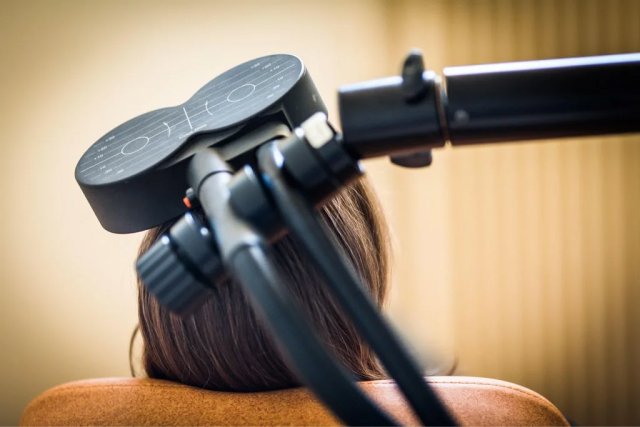
Obsessive-Compulsive Disorder (OCD) can be a debilitating condition, characterized by intrusive thoughts and repetitive behaviors that significantly impair daily functioning and quality of life. While traditional treatments such as therapy and medication can be effective for many, a significant portion of individuals with OCD remain resistant to these interventions. In recent years, Transcranial Magnetic Stimulation (TMS) has emerged as a promising alternative for treatment-resistant OCD, with particular attention being paid to its impact on stimulating the Supplementary Motor Area (SMA). Understanding OCD and Treatment Resistance: OCD is a complex psychiatric disorder believed to involve dysfunction in various brain regions and neurotransmitter systems. The condition manifests through obsessions, which are intrusive and distressing thoughts, and compulsions, which are repetitive behaviors or mental acts performed to alleviate anxiety or prevent a feared event. Traditional treatments for OCD typically include a combination of selective serotonin reuptake inhibitors (SSRIs) or tricyclic antidepressants, along with cognitive-behavioral therapy (CBT), particularly exposure and response prevention (ERP). However, a significant subset of individuals with OCD do not respond adequately to these standard treatments, resulting in what is known as treatment-resistant OCD. This resistance can be due to various factors, including the severity of symptoms, comorbid conditions, and individual differences in brain functioning. Enter TMS: Transcranial Magnetic Stimulation (TMS) has emerged as a non-invasive neuromodulation technique that can selectively target and stimulate specific regions of the brain. It works by delivering magnetic pulses to the brain, modulating neural activity in targeted areas. In the context of OCD, TMS has shown promise as a treatment for those who have not responded to traditional interventions. Also Read : When to Consider TMS Treatment for Depression: A Comprehensive Guide The Role of the Supplementary Motor Area (SMA): One area of particular interest in TMS treatment for OCD is the Supplementary Motor Area (SMA). The SMA is a region of the brain involved in the planning and execution of voluntary movements, as well as in the inhibition of involuntary movements. Dysfunction in the SMA has been implicated in the pathophysiology of OCD, particularly in the context of motor-related compulsions. By targeting the SMA with TMS, researchers hypothesize that they can modulate neural activity in this region, potentially alleviating symptoms of OCD. Studies have shown that stimulating the SMA with TMS can lead to improvements in OCD symptoms, particularly in reducing compulsive behaviors. The Mechanism of Action: The exact mechanisms underlying the efficacy of TMS in treating OCD, particularly through SMA stimulation, are still being elucidated. However, it is believed that TMS may exert its therapeutic effects by modulating dysfunctional neural circuits implicated in OCD. One hypothesis is that TMS helps to normalize hyperactivity in cortico-striatal-thalamo-cortical (CSTC) circuits, which are thought to play a key role in the pathophysiology of OCD. By modulating activity in these circuits, TMS may help to restore balance and alleviate symptoms. Furthermore, TMS may also facilitate neuroplasticity, the brain’s ability to reorganize and form new neural connections. By promoting neuroplastic changes in regions such as the SMA, TMS may help to disrupt maladaptive patterns of neural activity associated with OCD. Also Read : Understanding Why Antidepressants May Not Be Effective for Some Patients Conclusion Obsessive-Compulsive Disorder can pose significant challenges for those affected, particularly when traditional treatments prove ineffective. Transcranial Magnetic Stimulation, particularly when targeting the Supplementary Motor Area, offers new hope for individuals with treatment-resistant OCD. By modulating neural activity in key brain regions implicated in the disorder, TMS holds promise as a novel and promising intervention for alleviating symptoms and improving quality of life.