MindBrain – Mental Health Clinic

TMS-The Future of TMS: Innovations and Emerging Uses

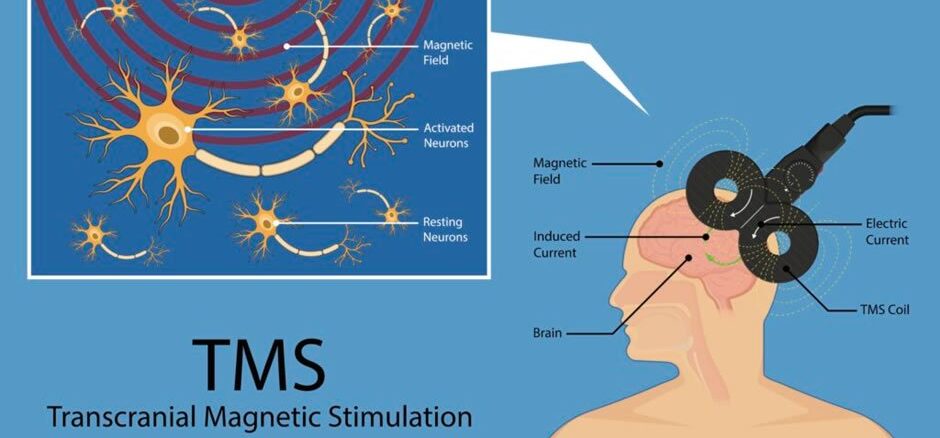
Transcranial Magnetic Stimulation (TMS) has been a beacon of hope for many suffering from depression and other neurological disorders. As we venture into the future, TMS is poised for a revolutionary leap forward, with advancements in technology and expanding applications that promise to transform the landscape of psychiatric and neurological treatment. This blog post delves into the horizon of TMS therapy, exploring the innovative technologies, new therapeutic targets, and burgeoning applications that are set to redefine its role in medicine. Technological Advancements in TMS The core of TMS’s evolution lies in technological refinement. Future devices are expected to offer unprecedented precision in targeting brain regions, thereby enhancing efficacy and minimizing side effects. Real-time brain imaging and mapping technologies, such as fMRI (functional Magnetic Resonance Imaging) or PET (Positron Emission Tomography), are being integrated with TMS to provide live feedback, enabling clinicians to tailor treatments to the individual’s neuroanatomy in real-time. Moreover, the development of portable TMS devices could democratize treatment, making it accessible to a broader population. These devices, potentially wearable, would allow for continuous or on-demand treatment, opening up possibilities for managing chronic conditions outside the clinical setting. Enhanced Protocols and Personalization The future of TMS lies not only in hardware but also in the sophistication of treatment protocols. Adaptive algorithms, powered by artificial intelligence (AI), are being designed to personalize treatment in real-time, adjusting parameters like intensity, frequency, and duration to optimize outcomes. This individualized approach could significantly improve response rates, particularly in treatment-resistant cases. New Therapeutic Targets Beyond depression, the scope of TMS is expanding to include a wide array of neurological and psychiatric conditions. Research is underway to explore its efficacy in treating Alzheimer’s disease, epilepsy, Parkinson’s disease, and stroke rehabilitation, among others. The principle underlying these applications is neuroplasticity—the brain’s ability to reorganize itself. By selectively stimulating or inhibiting specific brain regions, TMS may facilitate the reestablishment of normal neural pathways or help in creating new ones, offering hope for conditions previously deemed untreatable. TMS in Cognitive Enhancement Another intriguing frontier for TMS is cognitive enhancement in healthy individuals. Studies are investigating its potential to improve memory, attention, and other cognitive functions. This raises ethical questions about the use of TMS for non-therapeutic purposes, such as enhancing learning or performance in healthy individuals, but also opens up exciting possibilities for understanding and augmenting human cognition. Expanding Applications for Other Conditions The applicability of TMS is being explored beyond the brain, in conditions such as fibromyalgia and chronic pain, where altered neural activity is a contributing factor. The anti-inflammatory effects of TMS, though not fully understood, offer another avenue for treating a variety of inflammatory conditions, potentially including autoimmune diseases. Conclusion The future of TMS therapy is bright, with groundbreaking advancements on the horizon that promise to expand its therapeutic reach, enhance its efficacy, and revolutionize the treatment of neurological and psychiatric conditions. As technology advances and our understanding of the brain deepens, TMS stands as a testament to the potential of innovation to reshape medicine. The journey ahead is fraught with challenges, but the possibilities are as vast as the human mind itself.

Combining TMS with Other Treatments: A Multifaceted Approach to Mental Health

Transcranial Magnetic Stimulation (TMS) has emerged as a beacon of hope for those grappling with various mental health disorders, particularly depression. By using magnetic fields to stimulate nerve cells in the brain, TMS has shown promise in alleviating symptoms in patients for whom traditional treatments have been ineffective. However, mental health is a complex domain, where no single treatment offers a panacea. This has led to a growing interest in a multifaceted approach to mental health treatment, combining TMS with other therapies for a more comprehensive treatment strategy. The Role of TMS in Mental Health Treatment TMS therapy involves delivering repetitive magnetic pulses to specific areas of the brain involved in mood regulation. This non-invasive method has been FDA-approved for the treatment of depression and is also being explored for other conditions such as anxiety, OCD, and PTSD. Unlike medication, TMS does not have systemic side effects, making it an attractive option for many. Complementary Therapies to Enhance Outcomes Integrating TMS with other treatments can enhance its effectiveness and provide a more holistic approach to mental health care. These complementary therapies may include: Pharmacotherapy: For many patients, a combination of TMS and medications can be more effective than either treatment alone. Antidepressants, mood stabilizers, or anti-anxiety medications can work in concert with TMS to regulate brain chemistry more effectively. Psychotherapy: Various forms of psychotherapy, such as Cognitive Behavioral Therapy (CBT), Dialectical Behavior Therapy (DBT), or psychodynamic therapy, can be highly effective in conjunction with TMS. These therapies can help patients develop coping mechanisms, work through trauma, and address behavioral patterns that contribute to their condition. Lifestyle Modifications: Encouraging patients to adopt healthier lifestyles is another crucial aspect of a multifaceted treatment approach. Regular physical activity, a balanced diet, adequate sleep, and mindfulness practices like meditation can significantly impact mental health and enhance the benefits of TMS. Alternative Therapies: Some patients may find additional benefits from alternative treatments such as acupuncture, yoga, or art therapy. While not a substitute for medical treatment, these therapies can complement TMS by promoting relaxation, stress reduction, and emotional expression. Implementing a Multifaceted Treatment Plan For a multifaceted treatment approach to be effective, it must be tailored to the individual needs of each patient. This requires a thorough evaluation by a multidisciplinary team of mental health professionals who can assess the patient’s condition, treatment history, and personal preferences. The team can then develop a comprehensive treatment plan that combines TMS with other therapies suited to the patient’s unique needs.

Theta Burst Stimulation: A novel protocol for TMS

1. Reduced Treatment Duration One of the most significant advantages of Theta Burst Stimulation is its efficiency in terms of time. Traditional TMS sessions typically last for about 30 to 60 minutes, and patients are required to undergo treatment five days a week over four to six weeks. In contrast, TBS protocols can be completed in a fraction of the time—often in less than 10 minutes per session. This drastic reduction in treatment time without compromising efficacy significantly enhances patient convenience and adherence to the treatment plan. 2. Increased Comfort and Tolerability Patients undergoing TMS treatment sometimes report discomfort at the treatment site or headaches as side effects. Theta Burst Stimulation has been shown to be more tolerable for patients, with fewer reported side effects. The shorter duration of stimulation with TBS likely contributes to this increased comfort, making it a preferable option for patients sensitive to the longer exposure of traditional TMS sessions. 3. Enhanced Efficacy Emerging research suggests that Theta Burst Stimulation may offer enhanced efficacy in treating depression compared to conventional TMS protocols. The mechanism behind TBS involves more rapid bursts of magnetic pulses, which are thought to more effectively induce the neuroplastic changes necessary for improving depressive symptoms. Although more research is needed to fully understand these benefits, early studies are promising, indicating that TBS could represent a significant advancement in TMS technology. 4. Flexibility in Treatment Protocols TBS offers flexibility in treatment protocols, with two main types: continuous (cTBS) and intermittent (iTBS). Continuous TBS is thought to decrease brain activity in targeted regions, while intermittent TBS aims to increase it. This flexibility allows for a more personalized approach to treatment, catering to the individual needs and conditions of patients, and potentially improving outcomes for those who may not respond to traditional TMS. 5. Potential for Broader Application The advantages of Theta Burst Stimulation—such as shorter treatment times, increased comfort, and potential for greater efficacy—open the door for broader application in treating various neurological and psychiatric conditions beyond depression. Researchers are exploring the use of TBS in conditions like anxiety disorders, obsessive-compulsive disorder (OCD), and even stroke rehabilitation, suggesting a wide-ranging impact of this innovative treatment approach.

Exploring the Rapid Impact of Ketamine Treatment on Suicidal Thoughts

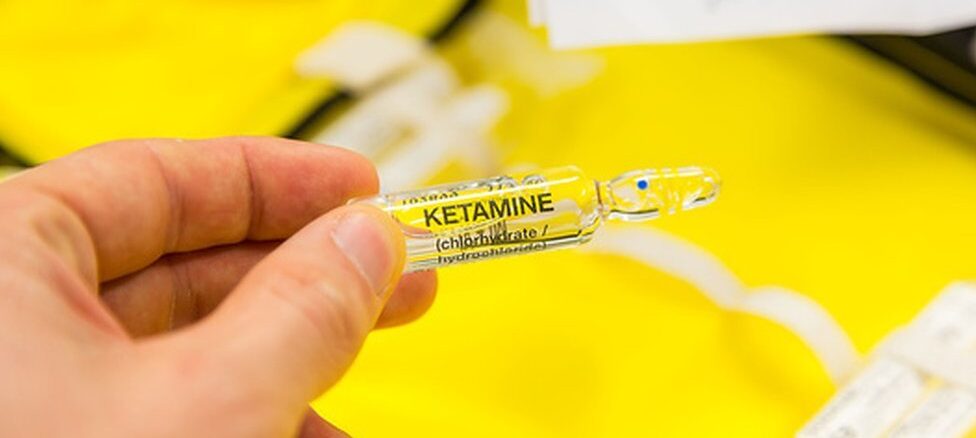
In recent years, the medical community has been exploring innovative approaches to treating severe depression and suicidal ideation, conditions that affect millions of individuals worldwide. One of the most promising developments in this area is the use of ketamine, a medication traditionally used for anesthesia. Ketamine treatment has been shown to provide rapid relief from suicidal thoughts, offering hope to those in critical need of fast-acting interventions. The Challenge of Traditional Treatments For decades, the primary treatments for suicidal ideation have been psychotherapy and traditional antidepressants. While effective for many, these approaches have significant limitations. Antidepressants, for example, can take several weeks to show benefits and may not be effective for all patients. In the case of acute suicidal ideation, the time it takes for traditional medications to work can be a critical factor. This delay in treatment efficacy highlights the need for more rapid intervention options.Ketamine: A New Hope Ketamine operates differently from traditional antidepressants While most antidepressants focus on the serotonin system to help regulate mood, ketamine is believed to impact glutamate, a neurotransmitter associated with learning and memory. This difference in mechanism is crucial for its rapid-acting effects.Studies have shown that low doses of ketamine can lead to significant reductions in suicidal thoughts within hours of administration. This rapid response is a game-changer for individuals experiencing acute crises, providing an immediate lifeline and the possibility of stabilization in critical situations. How Does Ketamine Work? Ketamine is thought to promote the regeneration of synaptic connections between brain cells that have been damaged by stress and depression. This can lead to immediate improvements in mood and cognition. Unlike traditional treatments that may take weeks to become effective, ketamine’s impact on the brain’s neuroplasticity allows for a much quicker response, often noticeable within hours of treatment. The Treatment Process Ketamine treatment for depression and suicidal ideation typically involves a series of injections under medical supervision. The exact dosage and frequency depend on the individual’s needs and medical history. Given its potent effects and potential side effects, including dissociation and increased blood pressure, ketamine treatment must be carefully managed by healthcare professionals. Conclusion Ketamine treatment represents a significant advancement in mental health care, offering a quick and effective intervention for those experiencing suicidal thoughts. Its ability to provide rapid relief can be lifesaving, marking a hopeful step forward in addressing the urgent needs of individuals in crisis. As research continues, the promise of ketamine and other rapid-acting treatments opens new possibilities for overcoming some of the most challenging aspects of mental health care.

FDA Approval of TMS treatment in Adolescent Depression

In a landmark decision, the U.S. Food and Drug Administration (FDA) has granted approval for the NeuroStar Transcranial Magnetic Stimulation (TMS) therapy system as a first-line treatment for depression in adolescents. This pioneering move opens up new avenues for addressing a critical public health issue, offering hope and a novel treatment option to families and individuals affected by adolescent depression. Understanding TMS Therapy TMS therapy is a non-invasive treatment that uses magnetic fields to stimulate nerve cells in the brain involved in mood control and depression. It is specifically designed for patients who have not responded adequately to antidepressant medications, providing a viable alternative without the need for systemic medication or its associated side effects.The treatment involves delivering repetitive magnetic pulses, and it’s conducted in a doctor’s office under their supervision. Until now, TMS therapy has been primarily used for adults with major depressive disorder, showing promising results in various clinical trials. The Significance of FDA Approval The FDA’s decision to approve TMS therapy for adolescents marks a significant milestone in mental health treatment. Depression is a pervasive issue among teenagers, with the CDC reporting rising numbers in recent years. Traditional treatment methods, including psychotherapy and medications, may not be effective for everyone, and concerns about the side effects of antidepressants in adolescents have made treatment decisions challenging for both parents and healthcare providers.This approval is based on rigorous scientific evidence demonstrating the safety and efficacy of TMS therapy in younger populations. It signifies a shift towards more personalized and innovative approaches in treating psychiatric conditions, acknowledging the unique challenges and needs of adolescents struggling with depression. Implications for Treatment and Beyond For healthcare providers, this approval expands the arsenal of treatment options available for adolescent depression. It encourages a more holistic approach to mental health care, integrating new technologies and therapies alongside traditional methods.For families and individuals, the FDA’s decision offers a glimmer of hope. It provides a new option for those who have been navigating the challenging landscape of depression treatment, particularly for those seeking alternatives to medication. The availability of TMS therapy could also help reduce the stigma associated with mental health issues, encouraging more young people to seek help.

The Rising Star in Depression Treatment: Ketamine’s Promising Horizon

In the ever-evolving landscape of mental health treatment, a new beacon of hope shines brightly on the horizon: ketamine. Once known primarily as an anesthetic, ketamine is now gaining acclaim for its potential in treating depression. This pivot in perception is underscored by high-profile endorsements, such as Elon Musk’s candid revelation about utilizing ketamine to manage his own battles with depression. Musk, a figure synonymous with innovation and pushing boundaries, sharing his experience with ketamine brings a significant amount of attention to its therapeutic possibilities. Elon Musk’s Declaration: A Turning Point The buzz around ketamine has been growing, fueled by a combination of anecdotal success stories, emerging research, and endorsements from public figures. Its popularity is also attributed to its ability to provide relief for individuals who have not responded to other treatments, offering hope to those with treatment-resistant depression. Moreover, the FDA’s approval of Spravato (esketamine), a nasal spray derived from ketamine, for treatment-resistant depression marks a significant milestone in its journey from the fringes of pharmacology to mainstream mental health care. The Road Ahead Despite its promise, the journey of ketamine towards becoming a widely accepted treatment for depression is not without hurdles. Concerns about long-term effects, and the need for more comprehensive studies are valid and require attention. However, the growing body of evidence supporting its efficacy, coupled with changing public perceptions, suggests that ketamine could play a crucial role in the future of mental health treatment. Conclusion The narrative of ketamine, from an anesthetic to a potential lifesaver for those battling depression, is a testament to the complexities of medicine and mental health. Elon Musk’s candidness about his use of ketamine for depression adds a notable chapter to this story, highlighting the importance of innovation, open dialogue, and the relentless pursuit of better mental health solutions. As we stand on the cusp of potentially revolutionary treatments, it’s clear that ketamine’s role in the fight against depression is just beginning to unfold.

Unlocking the Mind’s Potential

The Role of Brain Plasticity in Mental Health Treatments with a Focus on KetamineThe brain is an incredibly complex and dynamic organ, capable of changing and adapting throughout our lives. This adaptability, known as brain plasticity or neuroplasticity, is not just a fascinating scientific concept; it’s a crucial element in understanding and treating mental health conditions. Recently, the spotlight has turned to a surprising agent in this arena: ketamine, a drug once known primarily for its anesthetic and dissociative properties. Understanding Brain Plasticity Before delving into the specifics of ketamine, it’s essential to understand what brain plasticity is and why it’s so important for mental health. Neuroplasticity refers to the brain’s ability to reorganize itself, both physically and functionally, throughout an individual’s life, in response to new experiences, learning, and various other factors. This ability is what allows us to recover from brain injuries, learn new skills, and adapt to new situations. In the context of mental health, brain plasticity offers a ray of hope. Many mental health conditions, such as depression, anxiety, and post-traumatic stress disorder (PTSD), have been linked to reduced plasticity in certain parts of the brain. This reduced plasticity can lead to the rigid and negative thought patterns that are characteristic of these illnesses. Thus, enhancing brain plasticity could be key to developing effective treatments. The Impact of Ketamine on Brain Plasticity Studies have shown that ketamine can induce rapid and robust changes in brain connectivity and can enhance the growth and development of neural connections. This is particularly significant in the prefrontal cortex and hippocampus, areas of the brain often affected in depression and anxiety disorders.The effect of ketamine on neuroplasticity offers a potential explanation for its rapid antidepressant actions, which can be observed as quickly as within hours of administration. This is a stark contrast to traditional antidepressants, which usually take weeks to show effects. Implications for Mental Health Treatment The influence of ketamine on brain plasticity opens new avenues for the treatment of mental health conditions. Its ability to rapidly enhance plasticity suggests that it could be used not just to alleviate symptoms but also to facilitate more enduring changes in brain function, potentially helping patients break out of the debilitating cycles of negative thinking and emotional distress characteristic of many mental disorders. Conclusion The exploration of ketamine and its impact on brain plasticity is a vivid reminder of the complex interplay between our brain’s biology and our mental health. As we continue to unravel the mysteries of the brain, treatments like ketamine offer hope for those suffering from mental health conditions, pointing towards a future where these conditions are not just managed, but effectively treated and possibly even cured. The journey of understanding and utilizing brain plasticity in mental health is just beginning, and it promises to reshape our approach to mental wellness in profound ways.

TMS Treatment for Schizophrenia

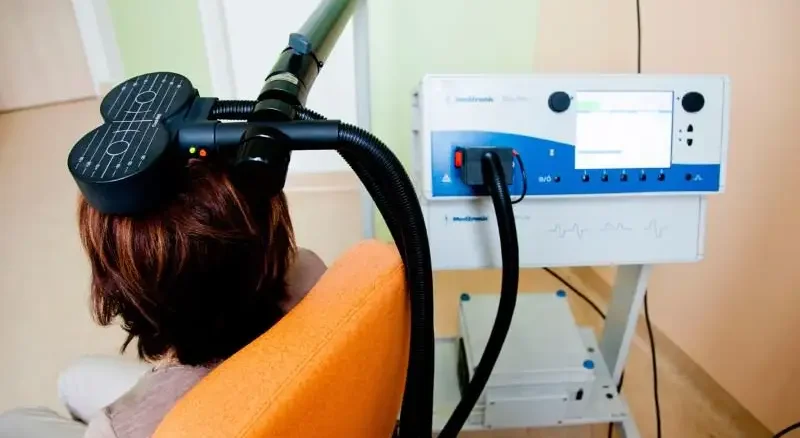
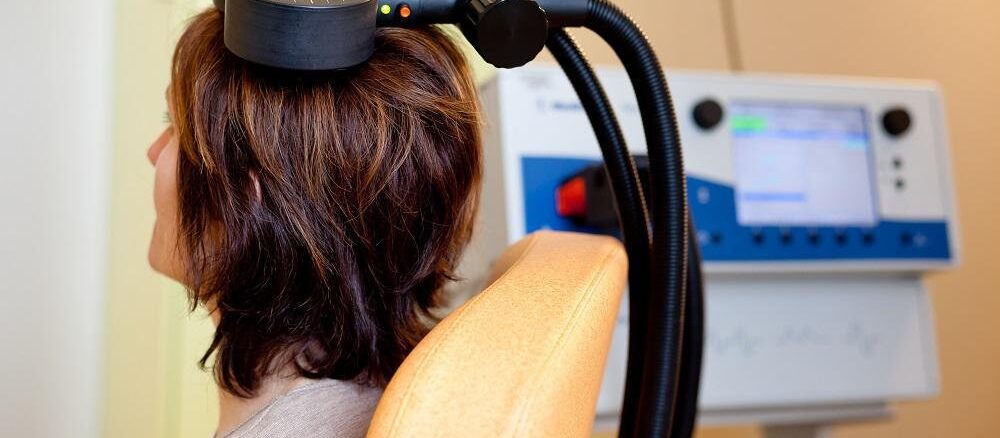
A New Hope in Mental Health Management Schizophrenia, a complex and often debilitating mental health disorder, affects about 1% of the population globally.Characterized by symptoms such as delusions, hallucinations, disorganized thinking, and impaired social functioning, it significantly impacts the quality of life of those afflicted and their loved ones. While traditional treatments like antipsychotic medications and psychotherapy have been the mainstay, recent advancements have introduced a promising new approach: Transcranial Magnetic Stimulation (TMS). Understanding TMS TMS is a non-invasive procedure that uses magnetic fields to stimulate nerve cells in the brain. Originally approved for treating depression, it has gained attention for its potential in addressing other neurological and psychiatric conditions, including schizophrenia. How Does TMS Work? TMS involves placing an electromagnetic coil against the scalp near the forehead. The coil generates brief magnetic pulses, which pass through the skull and stimulate the underlying brain cells. These pulses are thought to activate regions of the brain that have decreased activity, thereby alleviating symptoms of the targeted disorder. TMS in Schizophrenia Treatment The Potential For schizophrenia patients, TMS is primarily focused on reducing auditory hallucinations and improving cognitive functions. Auditory hallucinations, one of the most common and distressing symptoms of schizophrenia, are thought to be linked to hyperactivity in certain brain areas. TMS targets these regions, aiming to normalize their activity. Research and Findings Several studies have explored the efficacy of TMS in treating schizophrenia, particularly auditory hallucinations. A meta-analysis published in 2023 indicated that repetitive TMS (rTMS), a form of TMS where repeated magnetic pulses are delivered, significantly reduced the severity of hallucinations. Furthermore, it showed promise in enhancing cognitive functions like working memory and attention, which are often impaired in schizophrenia patients. The Benefits of TMS Non-Invasive and SafeTMS is a non-invasive procedure, meaning it doesn’t involve surgery or implantation of electrodes. This lowers the risk of complications that can arise from more invasive treatments. Moreover, TMS has a favorable safety profile, with the most common side effect being mild to moderate headache during or after treatment. Minimal Side Effects Unlike antipsychotic medications, which can have significant side effects like weight gain, drowsiness, and movement disorders, TMS has relatively few side effects. This makes it an attractive option for those who are sensitive to medication-related side effects or those looking for adjunct therapies. Targeted Treatment TMS can be targeted to specific areas of the brain, potentially offering more precise treatment than general medications. This ability to focus on particular brain regions is especially beneficial in a condition like schizophrenia, where certain brain areas are more affected. The Road Ahead MS represents a significant advancement in the treatment landscape for schizophrenia. By offering a non-invasive, relatively safe, and targeted approach, it opens new avenues for managing a condition that has been notoriously challenging to treat. As research progresses, TMS could become an integral part of comprehensive schizophrenia treatment plans, offering new hope to those affected by this complex disorder. As we look to the future, it’s crucial to continue supporting research in this area, improving accessibility, and tailoring treatment approaches to individual needs. For individuals living with schizophrenia and their families, advancements like TMS bring a glimmer of hope in the journey toward managing and overcoming the challenges of this condition.

Exploring TMS Treatment for Migraine Headaches

Insights from New Research Migraine headaches are a prevalent neurological condition characterized by intense, debilitating headaches, often accompanied by nausea, vomiting, and sensitivity to light and sound. With the quest for more effective treatments ongoing, One innovative approach has garnered significant attention: Transcranial Magnetic Stimulation (TMS). Recent research into TMS offers promising insights into its potential as a non-invasive, drug-free option for managing and possibly reducing the frequency and severity of migraine attacks. This blog post delves into the latest findings on TMS treatment for migraines, exploring its efficacy, how it works, and what this means for individuals suffering from this condition. Understanding TMS and Its Application to Migraines TMS is a non-invasive procedure that uses magnetic fields to stimulate nerve cells in the brain. It is administered using a device that generates these magnetic pulses, targeting specific areas of the brain associated with mood regulation and pain perception. While TMS has been primarily used in treating depression, its application in managing migraines is a relatively new but rapidly evolving area of study. Insights from Recent Research Recent studies have explored the effectiveness of TMS in treating migraines, with a focus on both the prevention and acute treatment of attacks. These studies have shown promising results, indicating that TMS can significantly reduce the frequency of migraine episodes and, when used at the onset of symptoms, can alleviate the severity of the attacks.One groundbreaking aspect of this research is the identification of the optimal timing and frequency of TMS treatments to achieve the best outcomes. For example, some studies suggest that a regular schedule of TMS sessions could serve as a preventive measure, reducing the overall incidence of migraines over time. Additionally, the use of single-pulse TMS at the onset of migraine symptoms has been shown to be effective in aborting an attack. How TMS Works for Migraine Treatment The precise mechanism by which TMS exerts its effects on migraine headaches is still under investigation. However, it is believed that the magnetic pulses can modulate neuronal activity in regions of the brain involved in pain transmission and processing. By altering this activity, TMS may disrupt the abnormal electrical waves that are thought to contribute to the development of migraines.Moreover, TMS is thought to induce changes in neurotransmitter levels, such as serotonin and dopamine, which play a role in pain regulation. This adjustment in neurotransmitter balance could help to mitigate the intensity and frequency of migraine attacks. Potential Benefits and Considerations The appeal of TMS as a treatment option lies in its non-invasiveness and the absence of drug-related side effects, making it a potentially valuable alternative for individuals who cannot tolerate or do not respond well to traditional migraine medications. However, as with any medical treatment, there are considerations to keep in mind, such as the need for multiple sessions and the requirement of specialized equipment, which may not be readily available in all healthcare settings.