MindBrain – Mental Health Clinic

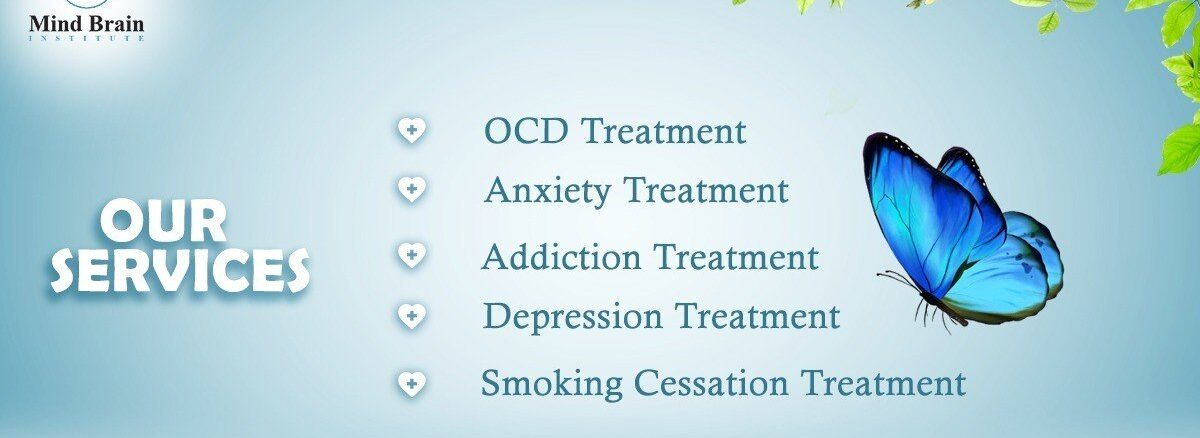
Depression, OCD, Anxiety, Addiction, Smoking Cessation

As you all are aware that in today’s era, there are hardly any people who are very happy in their lives satisfied with everything they have, and are living a life without any tension and stress. Everyone is running after success. While achieving success, there is a long way that one has to travel to be a successful person. While going through that path, there are numerous difficulties and hardships that one has to face to achieve his dream. While tackling those difficulties, he becomes mentally tired, which with time can land him in depression, stress, and anxiety, and ultimately, he may choose wrong addictions like smoking, drinking, eating tobacco, and so on for getting relief from such mental disorders. Also, in today’s world, there is much awareness regarding mental disorders faced by people. One should openly discuss the mental issues faced by him. Just like other health problems, mental disorders are also easy to cure if treated well within time. Mental Health means, in simple language, our emotional, psychological, behavioral well-being. It is all about how one thinks, feels, and behaves. It is actually how one responds to a particular situation. Mental health tends to affect our work, physical health, and overall life by hampering the productivity of an individual; and therefore, just like any other physical problems are treated, mental issues should be given priority and be treated properly without any hesitation or thinking about the society. Let’s now discuss some of the common mental disorders which are faced by the majority of individuals: Depression– Depression is a state wherein people lose the ability to function in all areas of their life. The World Health Organization (WHO) ranks depression as a leading cause of disability worldwide. The disorder can be deadly when it leads to suicidal thinking and planning. “We lose nearly 50,000 people each year to suicide in the U.S. and that rate seems to be increasing,” says Gerard Sanacora, MD, Ph.D., a Yale Medicine psychiatrist and director of the Yale Depression Research Program. Depression is a condition where you feel down most of the time which is called “low mood or bad mood” and you have also no interest in things you usually enjoy. You may also have changes in your sleep, appetite, feel guilty, de-motivated, and generally withdraw from others. Depression is the fourth most significant cause of suffering and disability worldwide behind heart disease, cancer, and traffic accidents. Stress- Stress is a feeling of emotional or physical tension. It can come from any event or thought that makes you feel frustrated, angry, or nervous. It is your body’s reaction to a challenge or demand. In short bursts, stress can be positive, such as when it helps you avoid danger or meet a deadline. But when stress lasts for a long time, it may harm your health. Stress means how you respond to a situation. It is usually characterized by a sense of feeling overwhelmed. This feeling may be due to your coping capacity being overstretched or having been under pressure for too long. Some stress can help us to perform our day-to-day functions, too much stress leaves us “distressed” and often exhausted. This is a very recent problem. In the present society, people are stressed for a very long period. Constant exposure to stress can cause physical problems such as headaches, constipation, diarrhea, chest pain, insomnia, and grinding teeth. If left unchecked and untreated, stress can increase a person’s risk of high blood pressure, heart disease, diabetes, and obesity. Anxiety- Anxiety is a feeling of fear and uneasiness. It might cause you to sweat, feel restless and tense, and have a rapid heartbeat. It can be a normal reaction to stress. For example, you might feel anxious when faced with a difficult problem at work, before taking a test, or before making an important decision. Anxiety disorders are conditions in which you have anxiety that does not go away and can get worse over time. The cause of anxiety is unknown. Factors such as genetics, brain biology and chemistry, stress, and your environment may play a role. OCD- Obsessive-Compulsive Disorder (OCD) is a common, chronic, and long-lasting disorder in which a person has uncontrollable, reoccurring thoughts (obsessions) and/or behaviors (compulsions) that he or she feels the urge to repeat over and over. People with OCD may have symptoms of obsessions, compulsions, or both. These symptoms can interfere with all aspects of life, such as work, school, and personal relationships. Obsessions are repeated thoughts, urges, or mental images that cause anxiety. Common symptoms include: Compulsions are repetitive behaviors that a person with OCD feels the urge to do in response to an obsessive thought. Common compulsions include: Not all rituals or habits are compulsions. Everyone double checks things sometimes. Some individuals with OCD also have a tic disorder. Motor tics are sudden, brief, repetitive movements, such as eye blinking and other eye movements, facial grimacing, shoulder shrugging, and head or shoulder jerking. Common vocal tics include repetitive throat-clearing, sniffing, or grunting sounds. Symptoms may come and go, ease over time, or worsen. People with OCD may try to help themselves by avoiding situations that trigger their obsessions, or they may use alcohol or drugs to calm themselves. Although most adults with OCD recognize that what they are doing doesn’t make sense, some adults and most children may not realize that their behavior is out of the ordinary. Parents or teachers typically recognize OCD symptoms in children. Treatment- We launched a NEW therapy called TMS Therapy, a non-medication process to get rid of these diseases without any kind of drugs or medications. Transcranial magnetic stimulation (TMS) is a type of brain stimulation therapy. It’s a non-invasive treatment that uses electromagnetic pulses to stimulate nerve cells, which may improve symptoms of neurological or mental health disorders. TMS is mainly used to treat depression. It’s had success helping people who don’t respond to antidepressant medication and psychotherapy. In fact, in 2008 the Food and Drug Administration (FDA)…
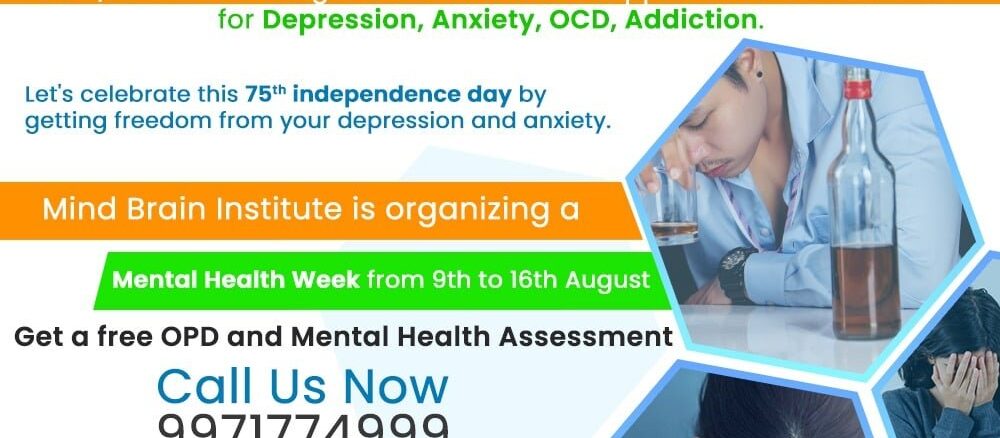
Mental Health Week From 9th to 16th August – Mind Brain Institute

Are You Ready To Take Back Your Life? Let’s Celebrate this 75th Independence Day by getting freedom from your Depression, OCD, Addiction or Anxiety. ?? ??? ???? ??? Free ??????????? ?????? ???? ?? ?? ??????????, ???-????????. Experience team of Psychiatrists FDA Approved TMS Therapy Effective & without Medication Treatment Safe & purely private session Detailed evaluation and monitoring of progress Book now => http://bit.ly/mindbraintms

Confronting Drug Addiction: What are the best ways to get help for drug addiction?

Are you or someone you know struggling with drug addiction? There are many ways to get help, but not all of them work. Below is a list of some things that might be helpful and some that won’t: Talking about my issues with others (this may or may not work for everyone) Trying to find out why I started using drugs in the first place (if this doesn’t lead me back to old patterns, it will at least make me aware of what’s going on) Finding a support group for people who have dealt with similar problems (seeing how other people have overcome their addiction can give hope) Getting examined by medical professionals; they can prescribe medication if necessary Encouraging other people to stop using drugs and alcohol (as someone whose life has been deeply affected by addiction, I can attest to the importance of this) Looking for books written on drug abuse (this is often a helpful way to address dissonance about my substance use; just because someone wrote it doesn’t mean it’s true, of course) Talking with other addicts about what they’re going through, or sharing my experience in recovery (I may feel like a failure if I relapse, but the truth is that relapse happens; it’s important to understand why and how we can recover again) Avoiding drinking or taking drugs alone (it makes sense that this would be easier said than done; a big part of getting sober means learning to handle these urges) Making some kind of formal commitment, like joining a support group or giving up drugs and alcohol forever (this may seem unnecessary if I’m just trying to keep it together during the holidays) Low self esteem as a cause for addiction: why do so many people get addicted? Most people who become addicted have some kind of underlying issue that needs to be addressed. The reasons can vary childhood trauma, violence, abuse, neglect but often a person with low self esteem will turn to drugs or alcohol in order to cope. These substances are much more powerful than we think; they make us feel better, stronger, less affected by emotional pain. They erode our ability to deal with problems on our own, and take away our ability to connect with other people. Getting honest: what are some of the reasons my life is so out of control? If I’m on drugs, it’s likely because I have been trying to counteract some kind of emotional pain. Rather than facing that pain head-on and working through it, getting high makes me feel better (temporarily). This is a way out which keeps me from having to change or deal in any meaningful way with what’s going on inside me. Essentially, it allows me to ignore a problem that needs attention; this means that the problem doesn’t go away–it only gets bigger over time. Asking for help: what motivates us when we’re trying to quit drugs ? If I’m truly ready to get sober, there are some very important things that will motivate me. Asking for help is not one of them (in fact, asking for help can be counterproductive if it puts too much on my plate when I’ve been in denial about my addiction). Trying to find out why I started using drugs in the first place may or may not work for everyone who is addicted; for those with substance abuse issues, this is more likely a way out than what I really need. In order to get clean and stay clean, I have to know myself well enough to acknowledge where relapse might come from (“slip” = “fall right back into old patterns”) , and make changes accordingly. Getting examined by medical professionals may or may not be enough; if the psychological reasons for my addiction aren’t addressed, it’s likely that I’ll relapse. Encouraging other people to stop using drugs and alcohol is definitely important, but sometimes (as in the case of an intervention), the person who needs to hear this needs to hear it from a professional counselor with some authority behind them. If nothing else, though, it’s very helpful to surround myself with sober friends who can keep me accountable; these are friends whom I’ve reached out to when I’m ready to get clean and sober, because they have already faced similar struggles. Letting go: what do I need to let go of? The biggest thing here is fear . I need to stop being afraid of my addiction, and all the things that are associated with it. When I’m high, there’s a strong connection between me and my drug of choice: I “need” or strongly desire it in order to feel good, complete, or better about myself; when I’m sober, this feeling disappears. The aftermath of using drugs is often painful; for example, I may be experiencing withdrawals or acute physical consequences . Part of getting clean involves facing these painful feelings without turning back (allowing myself to lean on others who can support me through them). Who should be involved? How many people need to get involved in recovery? Some people find this difficult I know that if anyone tried to make me get help from a professional or take medication, I’d probably have to keep it a secret so that I could hide the problem. Others can be helpful, but they need to be chosen carefully and have time available People who are too busy may not be able to meet me when I want them to, which makes me feel abandoned (and therefore more likely to use drugs again). It’s better for me not to tell too many people about my past drug use; telling this kind of information is what typically got me into trouble in the first place. So what do we know? Some people are at risk for substance abuse problems; others are not. We can’t identify everyone who has a substance abuse issue, but sometimes getting counseling, medication or medical help…

The Different Types of Treatment for Alcohol Addiction: Which Is Best for You?

Alcohol addiction is a serious problem that can affect people of all ages, backgrounds, and walks of life. The good news is that there are many different types of treatment for alcohol addiction to choose from, so you should be able to find one that suits your needs. This post will explore the four major types of treatments: inpatient rehab centers, outpatient rehabilitation clinics, sober living houses/communities and 12-step programs. You’ll learn about their pros and cons as well as what makes them unique. Hopefully this information will help you decide which type might work best for you or someone close to you who struggles with alcohol addiction! Inpatient Rehab Centers An inpatient rehab center is one of the most common types of treatment for alcohol addiction. In fact, it’s estimated that around 80% of people who struggle with alcoholism will opt for some form of residential care when they’re first seeking help. The best centers provide round-the-clock supervision and medical care, along with individual and group therapy sessions. They also offer life skills classes and recreational activities like yoga, meditation, arts and crafts, sports/fitness programs, volunteer work/community outreach opportunities and more. Some even have onsite massage or acupuncture services. Other benefits include: The option to stay in the treatment center until you’ve become fully sober and are confident you don’t have a problem with alcohol anymore so you can avoid slipping back into addiction. The opportunity to live in a structured environment where you won’t be tempted to drink or do drugs again 24/7 access to support from qualified staff members who understand addiction and will motivate you towards recovery Emotional, intellectual and physical health care that addresses both the mind and body when trying to break free from abuse of alcohol Another benefit of an inpatient facility is that it keeps you away from former triggers that might cause relapse. In other words, if you were in treatment for heroin addiction, but the people, places or things that used to trigger your use still hold power over your life after rehab (think: old friends or hangout spots) you’re at risk of falling back into the habit. So, an inpatient facility can help you focus on recovery and get a fresh start by: Providing a safe environment that’s free from all alcohol and drugs 24/7 Keeping your old life separate so it won’t interfere with your new one Providing group support from people who understand addiction while helping you develop sober friendships and relationships Once you’ve completed treatment, many rehab centers offer outpatient programs for long-term recovery maintenance. These include individual counseling sessions, 12-Step meetings (such as AA or NA), weekly or biweekly supportive therapy sessions, family reunions/couples’ therapy to learn how to deal with loved ones in recovery and more. The cost of inpatient rehab centers can run anywhere from a few lacs rupees per month to over 1,00,000. This means most people take out loans or secure funding before they enter treatment. However, even if you have to pay for the bulk of it upfront, there are often affordable options for payment plans that allow you to spread out the cost. Countless celebrities have sought and completed treatment for alcohol abuse at inpatient facilities, including Lindsay Lohan , Anna Nicole Smith , Robert Downey Jr . and Brittany Murphy (who died tragically just a few years after completing treatment). A famous “recovering addict” who continues to speak publicly about his experience is Russell Brand . He openly admitted he used drugs and abused alcohol for many years throughout his life, even when on stage and in front of large crowds. But after several attempts at rehab failed, Brand finally found lasting sobriety by completing an intensive outpatient program and attending daily AA meetings. He credits his recovery to finding the right combination of medication for his mental illnesses (which he’s spoken about being diagnosed with), along with support from others going through addiction struggles similar to his own. Local Alcoholics Anonymous Meetings One of the most popular options is also one that doesn’t cost anything: attending local Alcoholics Anonymous (AA) or Narcotics Anonymous (NA) meetings. Unlike inpatient facilities, these don’t provide any type of medical care nor do they offer counseling sessions or therapy groups. However, many people find that face-to-face meetings with people going through the same struggles as them help them maintain sobriety. And, since AA and NA organizations are free to attend, they’re often the first place many people turn when struggling with addiction. The organization’s 12-step program is based on a simple but effective principle you can’t stop drinking or using drugs on your own because your body, mind and spirit have become dependent on alcohol or drugs for survival. So instead of just trying to quit “cold turkey,” you work with others in recovery who will support you as you gradually change harmful behaviors into positive ones . In other words, instead of trying to fight your dependency all by yourself, you learn how to replace it with healthy activities and coping skills that provide the same “buzz” you used to get from drugs or alcohol. Other 12-step groups focus on specific issues, such as gambling and sex addiction . And there are even support groups for people with co-occurring disorders , which is when an individual suffers from both a mental health condition and a substance use disorder. The 12 step program to help with alcohol addiction A very strong support system for your own recovery Alcoholics Anonymous is a 12 step program that was first established in 1935. It has been proven to be highly effective with over 2 million members worldwide, which include people from all walks of life who have attained sobriety and no longer suffer from the addiction to alcohol. They are now leading healthy and productive lives. The Essentials Of Life These will keep you going stronger than ever: Love – this is one thing that you must make sure is present above anything else…

Best Center for Depression and alcohol addiction treatment in Delhi

Treatment for for Depression and alcohol addiction Alcohol use disorder and depression are two conditions that regularly happen together. Furthermore, one can exacerbate the other in an unavoidable and risky cycle if not tended to and treated. Alcohol use can cause or deteriorate manifestations of temperament issues. Depression may even reason individuals to start devouring a lot of liquor. Mind Brain TMS is a best Center for Depression and alcohol addiction treatment. How Alcohol addiction and depression coincide Depression is a temperament problem. It can cause sensations of pity, outrage, misfortune, and vacancy. Individuals with despair now and again lose interest in exercises that once satisfied them, like diversions and get-togathers. Treatment For Alcohol Addiction helps to finish everyday jobs. People with alcohol use disorder and depression issues may drink an excess of liquor, time after time. They might not be able to quit drinking once they start. If not treated, the liquor use problem can turn into a deep rooted battle. Right around 30% of individuals will encounter liquor use problems sooner or later in their lives. Alcohol use disorder and depression indications feeling useless bitterness exhaustion loss of interest in diversions and exercises absence of energy to do everyday jobs trouble concentrating blame substance use self-destructive contemplation Indications of liquor use problem may include: drinking a lot in any one scene drinking frequently, even every day constantly desiring liquor sneaking liquor so others will not notice it proceeding to drink despite adverse results, both to actual wellbeing and individual connections keeping away from exercises to drink kept drinking despite side effects of sadness or a disposition issue How are they treated? Treating one of these conditions may further develop symptoms for both. In any case, for the best outcomes, your primary care, Treatment For Alcohol Addiction, will probably treat them together. The most well-known medicines for liquor abuse and sadness together include: Medicine Liquor can essentially affect the degrees of synapses in your cerebrum, exacerbating despondency. Antidepressants can assist with evening levels of these synthetics and can assist with soothing manifestations of misery. Likewise, your PCP may recommend meds intended to bring down liquor longings, which can decrease your craving to drink. Restoration People with liquor use problems frequently foster an actual reliance on liquor. Stopping out of nowhere can cause side effects of withdrawal. These symptoms can be extreme and even dangerous. Numerous Treatment For Depression Near Me suggests patients look into a restoration office. These centres can help somebody go through the withdrawal cycle with clinical management. You may go through treatment to address your downturn, as well. During treatment, you can pick up methods for dealing with stress that can help you get back to existence without drinking. Treatment Cognitive behaviour therapy (CBT) is a kind of psychotherapy. It assists individuals with getting occasions and perspectives that lead to melancholy and substance abuse. CBT can train you to change your contemplations and conduct to feel good and assist you with trying not to abuse liquor. Care groups Treatment For Alcohol Addiction focuses offer classes and care group gatherings. In these, you can likewise discover support from others in a similar circumstance. You can likewise discover customary support for transforms you’re making to remain calm and sound.

Treatment Of Addiction With TMS Therapy

Treatment Of Addiction With TMS is a cutting-edge approach to alcoholism treatment. In this non-invasive therapy, magnetic pulses are used to calm the areas of your brain that create cravings. Alcoholism can have a wide range of effects on your physical and mental health, as well as your family, relationships, and even your job. TMS can help you take back control of your life. Each alcoholic’s first drink is as individual as they are. It could be that you drank as a result of difficult life circumstances like divorce or loss, or that you grew up with a parent who drank heavily. Some specialists even argue that certain genes in specific chromosome areas render people more susceptible to addiction. The NHS recommends that alcoholism be treated through counseling and TMS Therapy Be Used To Treat Addiction to get to the root of the problem. This includes CBT, self-help organizations such as Alcoholics Anonymous (AA) or the AA for short, 12-step facilitation therapy, and family therapy. Detoxing can be done at home with medical support, but it should be done in a hospital if the problem is serious. Withdrawal symptoms can persist up to 7 days following your last drink, while drugs like chlordiazepoxide (Librium) can considerably reduce or eliminate withdrawal symptoms. In extreme cases, vitamin supplements may be required. Relapse rates among those recovering from alcoholism are as high as 80% in the first year after detoxification. Addiction Treatment with TMS can assist to reduce alcohol cravings, and a variety of medications can help to avoid relapse. Among these are Acamprosate, Naltrexone, and Disulfiram. The longer a patient can stay clean, the less likely they are to relapse, and statistics show that those who stay clean for five years have a higher chance of staying clean. This is why it’s vital that alcoholics have as many opportunities as possible to learn scientifically proven methods for keeping healthy. In trials, transcranial magnetic stimulation has been shown to be a safe and effective treatment for alcoholism. A repeated magnetic pulse is used in this non-invasive treatment to engage the parts of the brain that cause alcohol cravings and dependence. It does not necessitate the use of anesthetics, medications, hospitalization, or a time of recovery. Withdrawal symptoms can be intense when detoxing from alcohol, and typical treatments like CBT or self-help groups may not be enough to keep you from relapsing; the cravings may be too powerful to ignore. Find “TMS Therapy Be Used To Treat Addiction,” which relaxes the portion of the brain that drives alcohol cravings. TMS can help patients who have just finished a 10-day detox stay on track by reducing cravings. Addiction is difficult to overcome, especially when temptation is there at all times. Whether you’re walking by your local pub or used to having a drink after work, the aftercare programs are meant to help you stay in remission despite the temptations you’ll face. We also recommend that you get counseling or use a drug rehabilitation clinic like TMS Treatment For Smoking.

TMS Treatment for Alcohol Addiction

TMS Treatment For Alcohol Addiction is a cutting-edge method of treating alcoholism. Magnetic pulses are used to relax the parts of your brain that cause cravings in this non-invasive therapy. Alcoholism can have a wide range of consequences, including issues with your physical and mental health, as well as your family, relationships, and even your employment. TMS can assist you in reclaiming your life. The catalyst for each alcoholic’s first drink is as unique as they are. It could be painful life experiences, such as divorce or grief, that lead to you drinking, or you could have grown up with a parent who drank heavily. Some experts even go so far as to claim that various genes in certain chromosome regions make people more prone to addiction. Alcohol Addiction  To get to the source of the problem, the NHS suggests treating alcoholism through counseling. CBT, self-help groups like Alcoholics Anonymous (AA) or AA for short, 12-step facilitation therapy, and family therapy are all examples of this. Detoxing can be done at home with medical assistance, but if the problem is severe, it should be done in a hospital. It can take up to 7 days after your last drink to stop experiencing withdrawal symptoms, although medications like Chlordiazepoxide (Librium) can significantly minimize or eliminate withdrawal symptoms. Vitamin supplements may be required in extreme circumstances. The number of people recovering from alcoholism who relapse during the first year after detoxifying is as high as 80%. TMS Treatment For Alcohol Addiction can help to lessen alcohol cravings, and there are a number of medicines that can help to prevent relapse. Acamprosate, Naltrexone, and Disulfiram are among them. The longer a patient can stay clean, the less likely they are to relapse, and data shows that individuals who stay clean for five years are more likely to stay clean. This is why it’s critical that alcoholism patients have as many opportunities as possible to obtain scientifically established techniques for staying well. Transcranial Magnetic Stimulation has been proven in studies to be a safe and effective technique to treat alcoholism. This non-invasive treatment employs a repeating magnetic pulse to activate the areas of the brain that generate alcohol cravings and dependence. It requires no anesthetic, medication, hospitalization, or recovery period. When detoxing from alcohol, withdrawal symptoms can be severe, and traditional treatments such as CBT or self-help groups may not be adequate to keep you from relapsing; the cravings may be too strong to ignore. Search for “TMS Treatment For Depression Near Me” which works by relaxing the part of the brain that causes alcohol cravings. TMS can aid patients who have recently completed a 10-day detox to extend their success by lowering cravings. Addiction is difficult to overcome, especially when temptation lurks around every corner. The aftercare services are designed to help you stay in remission despite the temptations you’ll face, whether you’re walking by your local pub or used to having a drink after work. We would also suggest seeking counseling or utilizing a drug rehabilitation facility, such as TMS Treatment For Depression Near Me.

Smoking Cessation Treatment with help of TMS

Dr. Anuranjan Bist Has something to tell for Smokers and How TMS can help you if you are a long-time smoker. In case, you Failed to Quit smoking or tobacco Usage due to your inadequate strategies or the current treatment you are taking is not up to the mark, then the TMS, which is a new way to Quit smoking has the capability to increase the quitting rate by 2-3%.  How TMS Works? A magnet is placed over the circuits of our brain that are actually related to our cravings for smoking. The magnet pulse generated can affect the circuits of our brain that are involved in cravings in such a manner that it can reduce the cravings. Another area of our brain that can be targeted is the one which can increase the willpower or resilience of our brain, by which we can be able to resist the urge to consume cigarettes or tobacco. In this way, you can clean yourself for a longer period and thus you can ultimately stay away from or vanish the usage of tobacco from your life.