MindBrain – Mental Health Clinic

New Developments in TMS Treatment of Depression: A Comprehensive Exploration by a Psychiatrist – 2025

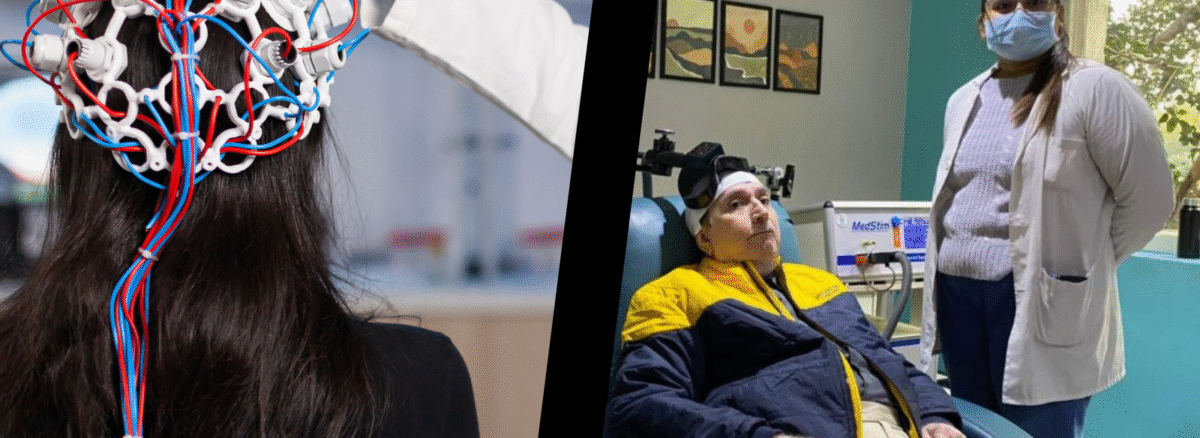
As a psychiatrist deeply committed to advancing mental health care, I am excited to share the latest breakthroughs in Transcranial Magnetic Stimulation (TMS) treatment for depression. In this detailed exploration, we will examine cutting-edge developments, innovative clinical approaches, and promising research that are shaping the future of depression treatment. Notably, the Mind Brain Institute, New Delhi with TMS treatment continues to be at the forefront of this transformation, providing unparalleled patient care and pioneering research in the field. In today’s post, we will discuss: An overview of TMS treatment and its evolution New research insights and clinical trials Technological advancements and personalized treatment protocols Integration of TMS treatment with other therapeutic modalities The role of advanced neuroimaging and biomarkers in treatment optimization Patient experiences and success stories The future outlook for TMS treatment in depression Throughout this discussion, I will frequently reference the remarkable work being done at the Mind Brain Institute, New Delhi with TMS treatment. This institution stands as a beacon of hope and innovation, making significant contributions to both clinical practice and research in mental health. Understanding TMS Treatment and Its Evolution Transcranial Magnetic Stimulation (TMS) treatment is a non-invasive, FDA-approved procedure that uses magnetic fields to stimulate nerve cells in the brain. Originally introduced as a treatment for major depressive disorder (MDD), TMS has evolved significantly over the past two decades. Early clinical trials demonstrated its effectiveness in patients who had not responded to conventional antidepressant medications, and it quickly gained recognition as a viable treatment option. At the Mind Brain Institute, New Delhi with Transcranial Magnetic Stimulation (TMS) treatment, experts have been harnessing these advancements to refine patient selection criteria, optimize stimulation protocols, and ultimately, enhance therapeutic outcomes. The journey of Transcranial Magnetic Stimulation (TMS) treatment has been marked by rigorous research, technological refinement, and an increasing focus on personalized medicine. Historical Context and Early Success Initially, Transcranial Magnetic Stimulation (TMS) treatment was developed as an alternative for patients with treatment-resistant depression. Early studies showcased modest improvements, which led to further research into the mechanisms of action, optimal stimulation parameters, and patient profiles that would benefit the most from this intervention. These pioneering studies laid the groundwork for modern TMS treatment protocols, which are now tailored to meet the unique needs of each patient. Clinicians at the Mind Brain Institute, New Delhi with Transcranial Magnetic Stimulation (TMS) treatment have been instrumental in integrating these early findings into daily practice, ensuring that the evolution of TMS treatment remains patient-centric and evidence-based. New Research Insights and Clinical Trials Recent clinical trials and research studies have provided deeper insights into how Transcranial Magnetic Stimulation (TMS) treatment works and how its efficacy can be maximized. One of the major developments in the field has been the exploration of different stimulation frequencies and patterns. Researchers are now comparing high-frequency TMS, low-frequency TMS, and even patterned stimulation methods like theta burst stimulation (TBS) to determine which protocols yield the best outcomes. Efficacy and Safety of New Protocols Studies have shown that newer Transcranial Magnetic Stimulation (TMS) protocols can produce more rapid improvements in depressive symptoms compared to conventional methods. For instance, theta burst stimulation, a variation of TMS that delivers bursts of high-frequency pulses, has demonstrated promising results. Clinical trials indicate that patients receiving TBS often experience a reduction in depressive symptoms within a shorter period, with fewer sessions required. At the Mind Brain Institute, New Delhi with Transcranial Magnetic Stimulation (TMS) treatment, these innovations are being rigorously tested and implemented. Clinicians are excited about the potential of these protocols to not only shorten treatment duration but also improve the overall efficacy of TMS treatment for depression. Integration of Biomarkers and Neuroimaging Another groundbreaking area of research is the integration of biomarkers and advanced neuroimaging techniques to predict and monitor treatment response. Functional magnetic resonance imaging (fMRI) and electroencephalography (EEG) are increasingly being used to identify neural circuits involved in depression. By understanding the brain’s connectivity patterns, clinicians can tailor Transcranial Magnetic Stimulation (TMS) treatment protocols to target specific areas of dysfunction. The Mind Brain Institute, New Delhi with Transcranial Magnetic Stimulation (TMS) treatment is at the cutting edge of this research. Their multidisciplinary team combines psychiatry, neurology, and imaging sciences to develop personalized treatment plans that are informed by the latest biomarker data. This approach not only optimizes treatment outcomes but also reduces the risk of side effects, ensuring that patients receive the most effective care possible. Technological Advancements and Personalized Treatment Protocols The field of Transcranial Magnetic Stimulation (TMS) treatment is witnessing rapid technological advancements that are revolutionizing how clinicians approach depression. The introduction of neuronavigation systems has been a game-changer, allowing for precise targeting of brain regions implicated in depressive symptoms. These systems use real-time imaging data to guide the TMS coil placement, enhancing the accuracy of stimulation. Neuronavigation and Real-Time Adjustments Neuronavigation technology has enabled psychiatrists to map the patient’s brain and identify the optimal target for stimulation. This is particularly significant at the Mind Brain Institute, New Delhi with Transcranial Magnetic Stimulation (TMS) treatment, where state-of-the-art neuronavigation systems are integrated into clinical practice. This technology ensures that the TMS treatment is not only precise but also adaptable to individual anatomical variations. Personalized Medicine: Tailoring Treatment to the Individual One of the most exciting developments in Transcranial Magnetic Stimulation (TMS) treatment is the shift towards personalized medicine. Recognizing that depression is a heterogeneous disorder with varying underlying pathophysiologies, clinicians are moving away from a one-size-fits-all approach. Instead, they are tailoring TMS protocols based on individual patient profiles, which include clinical history, neuroimaging findings, and genetic markers. The Mind Brain Institute, New Delhi with Transcranial Magnetic Stimulation (TMS) treatment is a prime example of this personalized approach. By leveraging advanced diagnostic tools and individualized treatment protocols, the institute is able to offer more targeted and effective TMS treatment. This patient-centric model not only enhances treatment outcomes but also improves overall patient satisfaction and quality of life. Combining Transcranial Magnetic Stimulation (TMS) Treatment with Other Therapeutic Modalities While…


Do I Have Adult ADHD? An In-Depth Exploration – 2025

Attention Deficit Hyperactivity Disorder (ADHD) is commonly perceived as a childhood condition. However, a growing body of research and clinical evidence confirms that ADHD frequently persists into adulthood, often manifesting with unique challenges that can complicate daily functioning, career progression, and interpersonal relationships. This blog post aims to offer a comprehensive exploration of adult Attention Deficit Hyperactivity Disorder (ADHD) —from its symptoms and diagnosis to innovative non-medicine treatment modalities—and to empower readers with practical insights for understanding and addressing their mental health concerns. In this blog, we also highlight the expertise available at the Mind Brain Institute in New Delhi, India. Renowned for its state-of-the-art diagnostic and treatment methodologies, the institute excels in managing Attention Deficit Hyperactivity Disorder (ADHD) using non-pharmacological approaches, including Transcranial Magnetic Stimulation (TMS), neurofeedback, and mindful meditation. These methods offer promising alternatives or adjuncts to traditional medication, aligning with a holistic and patient-centered model of care. Understanding Adult Attention Deficit Hyperactivity Disorder (ADHD) What Is Attention Deficit Hyperactivity Disorder (ADHD) in Adults? Adult Attention Deficit Hyperactivity Disorder (ADHD) is a neurodevelopmental disorder that affects various aspects of cognitive function, including attention, executive functioning, and impulse control. While hyperactivity in childhood may present with overt physical restlessness, the adult form of Attention Deficit Hyperactivity Disorder (ADHD) is typically characterized by challenges such as disorganization, difficulty sustaining attention, impulsivity, and struggles with time management. These symptoms can be subtle and may often be misconstrued as mere personality traits or stress responses rather than indicators of a broader neurobiological condition. Recognizing the Symptoms The symptom profile of adult Attention Deficit Hyperactivity Disorder (ADHD) is multifaceted and may vary widely among individuals. Common symptoms include: Inattention: Challenges in maintaining focus during tasks, frequent careless mistakes, and difficulty following through on instructions. Impulsivity: Quick decision-making without adequate consideration of consequences, resulting in risky behaviors or difficulties in maintaining interpersonal relationships. Disorganization: Chronic difficulties in planning, prioritizing, and managing time, which can negatively impact both professional and personal life. Restlessness: A sense of inner turmoil or restlessness that does not necessarily translate to physical hyperactivity but can affect the ability to relax or unwind. Other associated features may include emotional dysregulation, low self-esteem, and difficulties in managing stress. Given the overlap between Attention Deficit Hyperactivity Disorder (ADHD) symptoms and those of other mental health conditions, accurate diagnosis is essential. The Complex Journey to Diagnosis Challenges in Diagnosing Adult Attention Deficit Hyperactivity Disorder (ADHD) Diagnosing ADHD in adults is often complex. Many adults with ADHD may not have been diagnosed in childhood, as awareness and diagnostic criteria have evolved considerably over the past few decades. Factors that contribute to diagnostic challenges include: Symptom Overlap: Conditions such as anxiety, depression, and bipolar disorder share overlapping symptoms with Attention Deficit Hyperactivity Disorder (ADHD), which can lead to misdiagnosis. Coping Mechanisms: Over time, many adults develop compensatory strategies that mask the overt symptoms of Attention Deficit Hyperactivity Disorder (ADHD), making clinical detection more difficult. Stigma and Misunderstanding: Societal misconceptions about Attention Deficit Hyperactivity Disorder (ADHD) can result in individuals dismissing their own symptoms or attributing them solely to stress or personality quirks. Comprehensive Evaluation Process A thorough evaluation for Attention Deficit Hyperactivity Disorder (ADHD) in adults typically involves multiple steps: Clinical Interview: A detailed discussion regarding the individual’s developmental history, symptom patterns, and the impact on daily life. This may include discussions about childhood behavior, academic performance, and work history. Standardized Questionnaires: Utilization of validated self-report scales and checklists that help quantify the severity and frequency of Attention Deficit Hyperactivity Disorder (ADHD)-related symptoms. QEEG Brain Mapping: Diagnosing ADHD using EEG signals from the Brain. Differential Diagnosis: Clinicians must carefully distinguish Attention Deficit Hyperactivity Disorder (ADHD) from other conditions that may exhibit similar symptoms. This involves ruling out alternative diagnoses and considering comorbid conditions. The evaluation process is not merely about confirming the presence of Attention Deficit Hyperactivity Disorder (ADHD); it is also about understanding the broader context of an individual’s mental health, lifestyle, and environmental factors. This comprehensive approach ensures that the treatment plan is tailored to the specific needs of the patient. Non-Medicinal Treatment Modalities While medication can be an effective component of Attention Deficit Hyperactivity Disorder (ADHD) treatment, many adults seek or benefit from non-pharmacological interventions. At the Mind Brain Institute in New Delhi, India, we pride ourselves on providing a range of innovative, non-medicine methods to manage ADHD. These include: Transcranial Magnetic Stimulation (TMS) TMS is a non-invasive procedure that utilizes magnetic fields to stimulate nerve cells in targeted areas of the brain. In the context of Attention Deficit Hyperactivity Disorder (ADHD), TMS aims to enhance neural circuits involved in attention regulation and executive functioning. Research suggests that TMS can lead to improvements in cognitive processing and may serve as a valuable adjunct to behavioral therapies. Its benefits include minimal side effects and the potential for lasting improvements in symptom management. Neurofeedback Neurofeedback, also known as EEG biofeedback, involves training individuals to modify their brainwave activity. This method is based on the principle of neuroplasticity, where the brain learns to function more optimally through feedback and reinforcement. Patients with Attention Deficit Hyperactivity Disorder (ADHD) often exhibit atypical brainwave patterns, and neurofeedback can help normalize these patterns, thereby enhancing concentration, impulse control, and emotional regulation. Studies have shown that neurofeedback can be particularly beneficial for individuals who are hesitant or unable to use pharmacological treatments. Mindful Meditation Mindful meditation is a practice that fosters present-moment awareness and emotional regulation. For adults with Attention Deficit Hyperactivity Disorder (ADHD), meditation can be a powerful tool in managing stress, reducing impulsivity, and enhancing focus. Regular meditation practice has been associated with changes in brain structure and function, particularly in areas related to attention and self-regulation. At the Mind Brain Institute, our clinicians incorporate mindful meditation as part of an integrated treatment plan, helping patients cultivate a more centered and resilient mindset. Innovative and Integrated Treatment Approaches Holistic Patient Care Modern psychiatry increasingly emphasizes the importance of holistic and patient-centered care. In treating adult Attention Deficit Hyperactivity…

Overcoming Depression: Proven Strategies for a Happier Life in 2025

Depression is a multifaceted disorder that affects millions worldwide, and for many, the journey to recovery can be frustrating and disheartening—especially when traditional medications do not seem to offer the relief one hopes for. In my clinical practice as a psychiatrist and at the Mind Brain Institute in New Delhi, India, I have witnessed first-hand the struggles patients face when standard antidepressants fall short of expectations. In this blog post, we will delve into the reasons why depression may not be responding to medications, explore the complexities of depression as a disorder, and discuss advanced non-medicine treatments that are paving the way for a brighter future for many individuals suffering from depression. Understanding Depression and Its Complexities The Biological Basis of Depression Depression is more than just feeling sad. It is a complex interplay of genetic, biological, environmental, and psychological factors. The traditional view of depression centers around imbalances in neurotransmitters such as serotonin, norepinephrine, and dopamine. Antidepressant medications aim to rectify these imbalances. However, the simplistic view of “chemical imbalance” does not fully capture the complexity of depression. Neural Circuitry and Brain Function: Modern research shows that depression may also involve dysfunctional neural circuits and structural changes in key brain regions, including the prefrontal cortex, amygdala, and hippocampus. These alterations can contribute to the persistent symptoms of depression and might explain why some individuals do not respond to medications that only target neurotransmitter levels. Psychological and Environmental Contributions While the biological perspective is essential, psychological and environmental factors play a significant role in the onset and persistence of depression. Traumatic experiences, chronic stress, and adverse life events can create a cascade of neurobiological changes that medications alone might not be able to reverse. Cognitive Patterns: Negative thought patterns and cognitive distortions, such as catastrophizing and black-and-white thinking, can maintain depressive symptoms. Environmental Stressors: Issues like isolation, relationship difficulties, and ongoing stressors in daily life are critical components that may need to be addressed concurrently with medication. The Role of Individual Variability No two individuals experience depression in the same way. Genetic predispositions, differences in brain structure, metabolism, and even personal life history mean that a treatment effective for one person might not work for another. Pharmacogenomics: Emerging research in pharmacogenomics is showing that genetic factors can influence how patients metabolize medications. Variations in genes responsible for drug metabolism can lead to differences in drug efficacy and side effects. Comorbid Conditions: Conditions such as anxiety, bipolar disorder, and personality disorders can also affect how a person responds to antidepressant medications. When multiple mental health issues are present, it can complicate treatment responses. Why Antidepressants Might Fail? 1. Delayed Response and Incomplete Remission Antidepressants are not magic bullets. For many patients, these medications take several weeks to show any noticeable improvement, and even then, the degree of improvement might not be complete. Delayed Therapeutic Onset: It is not uncommon for patients to wait 4-8 weeks before experiencing the full benefits of an antidepressant. This delay can lead to discouragement and the belief that the medications are ineffective. Partial Response: Some individuals may experience a reduction in symptoms without complete remission. In these cases, depression may persist despite a modest improvement in mood or energy levels. 2. Inappropriate Dosage or Medication Selection The process of finding the right medication can be one of trial and error. Dosage Adjustments: Sometimes, the dose of the medication might be too low to exert its full therapeutic effect, or the patient might be experiencing side effects that limit the dosage that can be tolerated. Wrong Medication Choice: Depression is a heterogeneous condition, and what works for one patient might not work for another. A medication that targets one neurotransmitter system may not be effective if the underlying issue is related to a different system or neural circuitry. 3. Medication Adherence Issues Consistency in taking medication as prescribed is crucial. Forgetfulness or Reluctance: Some patients struggle with remembering to take their medication regularly, while others may be hesitant due to concerns about side effects or stigma associated with taking psychiatric medications. Side Effects: The side effects of antidepressants, such as weight gain, sexual dysfunction, or gastrointestinal disturbances, can deter patients from maintaining a regular regimen, leading to suboptimal therapeutic outcomes. 4. Treatment-Resistant Depression For a subset of patients, depression is inherently treatment-resistant, meaning that standard medications do not produce the desired effect even when taken correctly and at optimal doses. Complex Neurobiology: In treatment-resistant depression, the underlying neurobiological abnormalities might be so complex that they cannot be adequately addressed by medications that primarily focus on altering neurotransmitter levels. Need for Alternative Strategies: This scenario underscores the necessity for alternative and adjunctive treatment modalities that can target the underlying neural circuitry more directly. Advanced Non-Medicine Treatments: A New Horizon At the Mind Brain Institute in New Delhi, India we have been at the forefront of pioneering advanced non-medicine treatments for depression. These innovative therapies aim to address the limitations of traditional medications by targeting the brain’s circuitry and neuroplasticity directly. Here, we discuss some of the most promising modalities. Transcranial Magnetic Stimulation (TMS) TMS is a non-invasive procedure that uses magnetic fields to stimulate nerve cells in the brain. How It Works: TMS targets the prefrontal cortex, an area often associated with mood regulation. By delivering precise magnetic pulses, TMS can modulate the activity of neural circuits that are dysregulated in depression. Clinical Evidence: Numerous studies have shown that TMS is effective in reducing depressive symptoms, especially in individuals who have not responded to medications. Its safety profile and minimal side effects make it a viable option for many patients. Our Experience: At Mind Brain Institute, our expertise in administering TMS has helped many patients experience significant improvements in mood and quality of life. We tailor the frequency and intensity of TMS sessions based on individual patient profiles, ensuring optimal outcomes. Ketamine Infusion Therapy Ketamine, originally used as an anesthetic, has emerged as a powerful treatment for depression, particularly for those with treatment-resistant forms. Mechanism of Action:…

How Do I Know If I Have Attention Deficit Hyperactivity Disorder (ADHD) in 2025

Attention Deficit Hyperactivity Disorder (ADHD) is a complex neurodevelopmental condition that affects millions of individuals worldwide. As a psychiatrist with years of experience diagnosing and treating ADHD, I understand the confusion and concern many feel when questioning whether they or a loved one might have this condition. In this blog post, I aim to provide a comprehensive overview of ADHD, discuss its symptoms and diagnostic process, and explore non-medicine treatment options such as neurofeedback and transcranial magnetic stimulation (TMS) offered at the Mind Brain Institute. Understanding ADHD: More Than Just “Not Paying Attention” ADHD is often mistakenly equated with mere inattentiveness or a lack of self-discipline. However, it is far more nuanced—a condition with biological underpinnings that affect brain functioning and behavior. Individuals with Attention Deficit Hyperactivity Disorder (ADHD) may experience a range of symptoms that impact various aspects of their lives, including academic performance, professional endeavors, and personal relationships. What Is Attention Deficit Hyperactivity Disorder (ADHD)? ADHD is characterized by persistent patterns of inattention, hyperactivity, and impulsivity that are more severe and frequent than typically observed in individuals at comparable developmental levels. These symptoms are not merely occasional lapses in attention or bursts of activity; they can be chronic, interfering with daily functioning and quality of life. Research indicates that Attention Deficit Hyperactivity Disorder (ADHD) has a significant genetic component, and brain imaging studies have revealed differences in the structure and activity of certain brain regions in individuals with the disorder. Historical Context and Evolving Understanding Historically, Attention Deficit Hyperactivity Disorder (ADHD) was diagnosed primarily in children who exhibited disruptive behavior in educational settings. Over time, however, clinicians began to recognize that ADHD does not simply “disappear” with age. Many adults continue to experience symptoms that impact their work and personal lives. Our understanding of Attention Deficit Hyperactivity Disorder (ADHD) has evolved considerably, moving from a simplistic view of behavioral issues to a more comprehensive understanding of a neurodevelopmental condition that requires a multifaceted treatment approach. Recognizing the Symptoms: What Should I Look For? If you’re questioning whether you might have Attention Deficit Hyperactivity Disorder (ADHD), it’s crucial to understand the spectrum of symptoms associated with the disorder. While every individual is unique, there are common signs and patterns that may suggest the presence of ADHD. Inattention One of the hallmark features of Attention Deficit Hyperactivity Disorder (ADHD) is inattention. This can manifest in several ways, including: Difficulty Sustaining Focus: Tasks that require prolonged concentration, such as reading or attending meetings, may feel overwhelming. You might find your mind wandering frequently, making it hard to complete tasks. Disorganization: Chronic disorganization is common, whether in personal spaces, work areas, or even in your thought processes. Keeping track of appointments, deadlines, or even everyday tasks can be a challenge. Forgetfulness: Frequently misplacing items or forgetting to complete routine tasks can be a sign of Attention Deficit Hyperactivity Disorder (ADHD). This isn’t due to a lack of care but rather an inherent difficulty in organizing and recalling information. Difficulty Following Instructions: When faced with multi-step tasks or instructions, individuals with Attention Deficit Hyperactivity Disorder (ADHD) may struggle to follow through from start to finish, often getting side-tracked by other stimuli. Hyperactivity Hyperactivity in Attention Deficit Hyperactivity Disorder (ADHD) isn’t just about being “too active” in a physical sense—it can also involve an internal sense of restlessness. Common hyperactive symptoms include: Fidgeting: Constant fidgeting with objects, tapping hands or feet, or shifting in your seat are common physical manifestations of hyperactivity. Difficulty Staying Seated: In situations where sitting quietly is expected, such as in meetings or classrooms, you might find it challenging to remain seated for extended periods. Excessive Talking: A tendency to talk excessively or interrupt others during conversations can also be a sign of Attention Deficit Hyperactivity Disorder (ADHD). Impulsivity Impulsivity is another critical facet of Attention Deficit Hyperactivity Disorder (ADHD), which involves acting without sufficient forethought. This can present itself in various forms: Impulsive Decisions: You may find yourself making decisions quickly, sometimes without considering all the consequences. This can affect both personal and professional areas of your life. Interrupting Others: Impulsive behavior might also include interrupting conversations or having difficulty waiting your turn in social or professional settings. Risk-Taking: Engaging in potentially risky behaviors without adequately weighing the risks is another common impulsive trait in Attention Deficit Hyperactivity Disorder (ADHD). The Diagnostic Process: How Do Professionals Determine ADHD? Determining whether you have ADHD involves a thorough evaluation process that goes beyond simply listing a few symptoms. As a psychiatrist, I take several steps to ensure an accurate diagnosis: Clinical Interview and History The initial step in diagnosing Attention Deficit Hyperactivity Disorder (ADHD) involves a comprehensive clinical interview. This interview covers your developmental history, academic and occupational performance, family history, and any co-occurring conditions. A detailed exploration of your childhood behavior is especially important, as Attention Deficit Hyperactivity Disorder (ADHD) symptoms typically begin in early childhood—even if they become more problematic or noticeable later in life. Standardized Rating Scales Clinicians often use standardized rating scales to assess the severity and frequency of Attention Deficit Hyperactivity Disorder (ADHD) symptoms. These scales, which may be completed by the patient, family members, or teachers, provide a structured way to measure symptoms against established diagnostic criteria. Although these scales are useful, they are just one part of the diagnostic process. Observation and Collateral Information In some cases, clinicians may observe behavior in structured settings or gather collateral information from family members or colleagues. This additional perspective can help paint a more complete picture of how Attention Deficit Hyperactivity Disorder (ADHD) symptoms manifest in different environments. For adults, input from partners or close friends can be particularly illuminating. Differential Diagnosis One of the most critical aspects of the diagnostic process is differentiating ADHD from other conditions that might present with similar symptoms. Conditions such as anxiety disorders, mood disorders, learning disabilities, or sleep disorders can sometimes mimic Attention Deficit Hyperactivity Disorder (ADHD). A thorough evaluation helps rule out these other conditions, ensuring that the…

QEEG Brain Mapping: Revolutionizing Diagnosis and Treatment in Mental Health in 2025

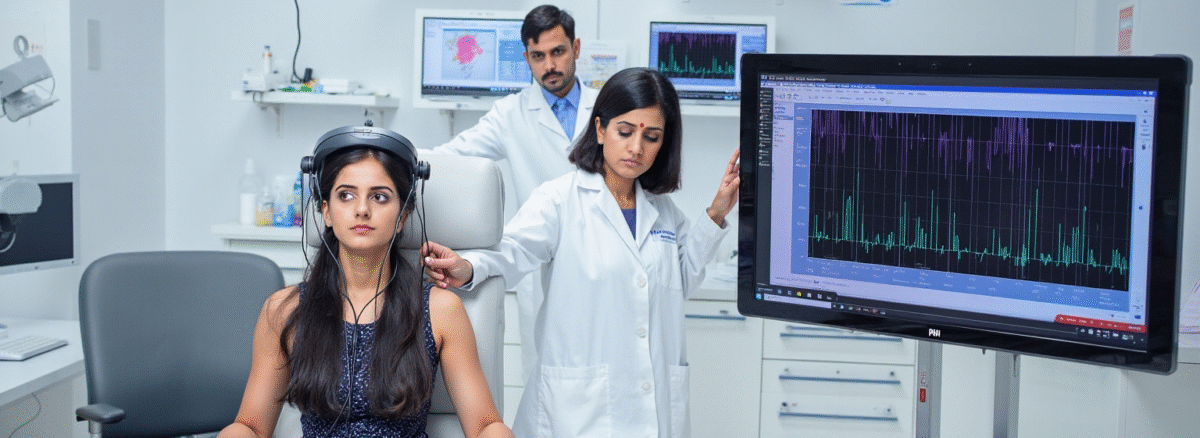
As a practicing psychiatrist, I have witnessed first-hand the transformative impact that advanced neuroimaging techniques can have on diagnosing and treating mental health conditions. Among these techniques, Quantitative Electroencephalography (QEEG) brain mapping stands out as a cutting-edge tool that not only deepens our understanding of brain function but also guides highly effective treatment interventions such as neurofeedback. In this blog post, we will explore how Quantitative Electroencephalography (QEEG) brain mapping is being used to diagnose different mental illnesses—including ADHD, Anxiety/OCD, and depression—and how neurofeedback is emerging as a promising intervention for cognitive enhancement. We will also take a closer look at the pioneering work being done at the Mind Brain Institute in New Delhi, India, where QEEG assessments and neurofeedback training are transforming lives. Understanding Quantitative Electroencephalography (QEEG) Brain Mapping What Is QEEG? Quantitative Electroencephalography (QEEG) is an advanced neuroimaging technique that involves recording the electrical activity of the brain using electrodes placed on the scalp. Unlike traditional EEG, which provides a qualitative analysis of brainwave patterns, Quantitative Electroencephalography (QEEG) involves the statistical analysis of these patterns. This data is then compared against normative databases, allowing clinicians to identify deviations from typical brain activity. The result is a detailed, color-coded map that reflects brain function and highlights areas of dysregulation. How Quantitative Electroencephalography (QEEG) Works Data Acquisition: During a QEEG session, multiple electrodes capture the electrical signals from different regions of the brain. Signal Processing: Advanced algorithms process these signals to quantify the power of various frequency bands such as delta, theta, alpha, beta, and gamma. Data Visualization: The processed data is visualized as a brain map that can be interpreted to identify areas of abnormal activity. Clinical Correlation: Clinicians use the QEEG data to correlate brainwave abnormalities with clinical symptoms, guiding personalized treatment plans. The Role of Quantitative Electroencephalography (QEEG) in Mental Health Diagnosis QEEG brain mapping has become an invaluable tool in psychiatric practice. By identifying subtle deviations in brainwave patterns, QEEG helps pinpoint the neurophysiological underpinnings of various mental health conditions. For instance, specific patterns have been associated with disorders such as ADHD, anxiety, obsessive-compulsive disorder (OCD), and depression. This detailed insight is critical for tailoring treatment strategies that target the root cause of the symptoms, rather than just addressing the surface-level manifestations. Quantitative Electroencephalography (QEEG) in Diagnosing Mental Health Conditions ADHD: Beyond Behavioral Assessments Attention Deficit Hyperactivity Disorder (ADHD) is often diagnosed based on behavioral assessments and clinical interviews. However, these methods may overlook underlying neurophysiological factors. Quantitative Electroencephalography (QEEG) offers a more nuanced approach by identifying characteristic brainwave patterns associated with ADHD, such as increased theta activity and decreased beta activity. Neurofeedback and ADHD: Neurofeedback training uses real-time Quantitative Electroencephalography (QEEG) data to help individuals learn how to regulate their brain activity. For children and adults with ADHD, neurofeedback can lead to significant improvements in attention, impulse control, and overall cognitive functioning. The ability to visualize and modify brainwave patterns provides a non-pharmacological intervention that complements traditional treatments. Anxiety and OCD: Targeting the Root of Hyperarousal Anxiety disorders and OCD are marked by heightened arousal and dysregulated neural circuits. Quantitative Electroencephalography (QEEG) can detect patterns of hyperactivity in regions such as the prefrontal cortex and the limbic system, areas often linked to emotional regulation and anxiety. Neurofeedback for Anxiety/OCD: By identifying and addressing the specific brainwave imbalances, neurofeedback can help modulate the brain’s arousal systems. Patients undergoing neurofeedback training often report reduced anxiety, improved emotional stability, and a better ability to manage obsessive thoughts. This targeted approach not only alleviates symptoms but also fosters long-term resilience by retraining the brain’s response to stress. Depression: Illuminating the Shadows of Mood Disorders Depression is a complex condition with both psychological and neurobiological components. Traditional diagnostic methods may not always capture the underlying brain dysfunctions that contribute to depressive symptoms. Quantitative Electroencephalography (QEEG) has revealed that individuals with depression often exhibit asymmetrical brain activity, particularly in the frontal regions. This asymmetry may manifest as hypoactivity in the left frontal cortex, which is associated with reduced positive affect. Neurofeedback in Depression: Neurofeedback can be tailored to rebalance this asymmetrical activity, promoting increased activity in regions linked to mood regulation. By reinforcing healthier brainwave patterns, neurofeedback offers a promising avenue for reducing depressive symptoms and enhancing overall emotional well-being. This intervention can serve as either a standalone treatment or as a complement to medication and psychotherapy, offering hope to those who have not responded to traditional treatments. Cognitive Enhancement: Unlocking Your Brain’s Potential Beyond treating clinical disorders, Quantitative Electroencephalography (QEEG) and neurofeedback are making significant strides in the field of cognitive enhancement. Whether you’re an athlete, a student, or a professional seeking to boost your mental performance, understanding and optimizing your brain’s activity can provide a competitive edge. Enhancing Performance: Quantitative Electroencephalography (QEEG) brain mapping can identify areas where cognitive processes may be suboptimal. For instance, neurofeedback training can improve focus, memory, and overall executive functioning by targeting specific brain regions. The customized approach ensures that training is tailored to an individual’s unique neural profile, leading to more effective and sustained cognitive improvements. Preventive Benefits: For individuals at risk of cognitive decline, neurofeedback offers a proactive approach to maintaining optimal brain function. By continuously monitoring and adjusting brainwave patterns, it is possible to delay or even prevent the onset of cognitive impairments. The Science Behind Neurofeedback What Is Neurofeedback? Neurofeedback is a non-invasive treatment modality that uses real-time monitoring of brain activity to help individuals learn self-regulation of their brain function. The process involves: Real-Time Feedback: Patients receive immediate visual or auditory feedback on their brain activity. Reinforcement Learning: Through repeated sessions, patients learn to adjust their brainwave patterns toward a more optimal state. Targeted Interventions: Neurofeedback protocols are customized based on individual Quantitative Electroencephalography (QEEG) assessments, ensuring that the training addresses specific areas of dysregulation. Mechanisms of Change The underlying principle of neurofeedback is rooted in neuroplasticity—the brain’s ability to reorganize itself by forming new neural connections. By providing real-time feedback, neurofeedback helps the brain “learn” healthier patterns…

Neurofeedback as a Treatment for Autism Spectrum Disorder: A Psychiatrist’s Perspective – 2025

Autism Spectrum Disorder (ASD) is a multifaceted neurodevelopmental condition characterized by challenges in social interaction, communication, and restricted, repetitive behaviors. As a psychiatrist deeply invested in advancing treatment modalities, I have observed a growing interest in non-pharmacological interventions that harness the brain’s natural plasticity. One such intervention, neurofeedback, is emerging as a promising tool for addressing some of the neurological underpinnings associated with ASD. In this comprehensive blog post, we will explore neurological feedback as a treatment option for autism, examine the theoretical basis behind its application, review available evidence, and discuss its potential role in a multidisciplinary treatment plan—all while underscoring the importance of individualized care. Understanding Autism Spectrum Disorder Autism Spectrum Disorder represents a broad range of conditions characterized by differences in brain function and behavior. The spectrum nature of autism means that symptoms can vary widely among individuals, from subtle challenges in social communication to significant difficulties in everyday functioning. Key characteristics often include: Social Communication Difficulties: Challenges in understanding social cues, establishing eye contact, or engaging in reciprocal conversation. Repetitive Behaviors and Restricted Interests: Engagement in repetitive motor movements, insistence on sameness, or highly focused interests. Sensory Processing Differences: Heightened or diminished responses to sensory stimuli, which can affect daily comfort and learning.Neurobiologically, ASD has been associated with atypical patterns of brain connectivity and neural synchronization. These neural differences have sparked interest in therapies that might help normalize brain activity patterns and, consequently, ameliorate some behavioral symptoms. What is Neurofeedback? Neurological feedback, sometimes referred to as EEG biofeedback, is a non-invasive method that trains individuals to regulate their brain wave activity. The premise is based on the brain’s inherent plasticity—the ability to change and reorganize neural connections throughout life. In a typical neurofeedback session, sensors are placed on the scalp to monitor electrical activity (electroencephalography, or EEG). This data is then processed in real time and fed back to the patient through visual or auditory cues. The Core Principles of Neurofeedback Self-Regulation: Through continuous feedback, individuals learn to recognize and modify their brain wave patterns. This self-regulation can lead to improvements in attention, emotional regulation, and sensory processing. Operant Conditioning: Cognitive therapy operates on principles of operant conditioning, where desired brain wave patterns are reinforced by rewarding feedback. Over repeated sessions, the brain is encouraged to maintain these beneficial patterns. Non-Invasiveness: Unlike many pharmacological interventions, neurofeedback does not involve medications or invasive procedures, which reduces the risk of side effects and makes it an attractive option for certain populations, including children and adolescents. The Rationale for Neurofeedback in ASD Addressing Neural Dysregulation Individuals with ASD often display atypical neural oscillations, which can contribute to difficulties in information processing, emotional regulation, and sensory integration. Cognitive therapy aims to modify these oscillatory patterns by training the brain to produce more adaptive rhythms. For example, an overabundance of slow-wave activity or insufficient alpha activity may be associated with attention deficits or sensory processing difficulties. By targeting these specific patterns, neurofeedback seeks to promote a more balanced neural state. Enhancing Self-Regulation and Attention Self-regulation is a foundational skill that underlies many cognitive and emotional functions. In children and adults with autism, difficulties in regulating attention and behavior are common. Neurofeedback training has been observed to help some individuals develop better control over their attentional networks. This improved self-regulation can potentially translate into enhanced learning, reduced anxiety, and improved social interactions. Complementary to Multimodal Interventions ASD is a heterogeneous condition that often requires a multimodal approach to treatment. Behavioral therapies, occupational therapy, speech therapy, and social skills training form the backbone of intervention strategies for many individuals on the spectrum. Neurofeedback does not aim to replace these interventions; rather, it serves as a complementary modality. By potentially enhancing neural regulation and attention, cognitive therapy can create a more receptive neural environment in which traditional therapies may be more effective. The Neurofeedback Process: What to Expect Initial Assessment and Baseline Evaluation Before initiating cognitive therapy, a thorough evaluation is conducted. This evaluation typically includes: EEG Assessment: Recording baseline brain wave activity to identify atypical patterns that may be amenable to intervention. Behavioral and Cognitive Assessments: Evaluating areas such as attention, executive function, and sensory processing helps in tailoring the neurofeedback protocol to individual needs. Goal Setting: Collaborative discussions with caregivers (and patients, when possible) to determine realistic therapeutic goals, such as improved attention span or reduced anxiety. Tailoring the Protocol One of the strengths of neurofeedback lies in its adaptability. Protocols are individualized based on the specific patterns observed in the baseline EEG and the targeted behavioral outcomes. For instance, if a patient exhibits significant deficits in attention regulation, the protocol might focus on enhancing beta wave activity, which is often associated with active concentration. The Training Sessions During a typical session, the individual is seated comfortably while electrodes record real-time EEG activity. This data is translated into immediate feedback—often in the form of a computer game or visual display. The individual learns, through repetition and reinforcement, to adjust their brain activity toward more optimal patterns. Sessions generally last between 30 to 60 minutes and are conducted regularly over weeks or months. Monitoring and Adjustments Neurofeedback is an iterative process. Clinicians continuously monitor progress through both EEG changes and behavioral assessments. Protocols can be adjusted based on the individual’s response to ensure that the training remains aligned with the therapeutic goals. This flexibility is particularly important in ASD, where the range of symptoms and individual responses can vary widely. Evidence and Research on Neurofeedback for ASD Early Research and Pilot Studies Initial research into neurological feedback for ASD has provided intriguing results. Pilot studies have indicated that individuals with autism may experience improvements in attention, reduced anxiety, and enhanced emotional regulation after a course of neurofeedback training. Some studies have reported improvements in EEG patterns that correlate with behavioral changes, suggesting a direct link between neural modulation and clinical outcomes. Systematic Reviews and Meta-Analyses Although the body of research is still growing, systematic reviews have begun to highlight the potential benefits…

Harnessing the Power of Neurofeedback: A Novel Approach to Managing Anxiety and OCD – 2025

In today’s fast-paced world, anxiety and obsessive-compulsive disorder (OCD) have become increasingly prevalent, impacting countless lives and challenging traditional treatment modalities. As mental health professionals, we are continually searching for innovative, evidence-based methods that not only alleviate symptoms but also address the underlying neural mechanisms contributing to these conditions. One such promising intervention is neurofeedback—a cutting-edge technique that empowers individuals to modulate their own brain activity, thereby fostering improved emotional regulation and mental well-being. In this comprehensive blog post, I will discuss the science behind neurofeedback, explore how it can be applied specifically to treat anxiety and OCD, and illustrate its integration with traditional therapeutic approaches. By the end of our journey together, you will understand why approach is emerging as a viable treatment option and how its integration into clinical practice can offer hope and lasting change to those who suffer from these debilitating conditions. Understanding Anxiety and OCD Anxiety disorders encompass a spectrum of conditions characterized by excessive worry, fear, and physiological arousal. These symptoms can be chronic and debilitating, interfering with everyday functioning and quality of life. Whether it is generalized anxiety disorder, panic disorder, or social anxiety, the common thread is a hyperactive response to perceived threats, even when none exist. OCD, on the other hand, is typified by intrusive thoughts (obsessions) and repetitive behaviors or mental acts (compulsions) that an individual feels compelled to perform. These rituals are often time-consuming and interfere with daily functioning, leading to significant distress. Although anxiety is a hallmark of OCD, its distinct pattern of obsessive-compulsive thinking sets it apart as a unique condition that demands specialized interventions. Both anxiety and OCD are believed to be rooted in dysfunctional neural circuits, particularly those involved in emotional regulation and cognitive control. Emerging research has highlighted abnormalities in brain regions such as the amygdala, prefrontal cortex, and anterior cingulate cortex in individuals suffering from these conditions. Consequently, treatments that directly target brain activity—such as neurofeedback—offer a novel pathway to remedying these underlying issues. What Is Neurofeedback? Neurofeedback is a specialized form of biofeedback that trains individuals to alter their brainwave patterns through real-time monitoring and feedback. Essentially, electrodes are placed on the scalp to record electroencephalography (EEG) signals, which represent the brain’s electrical activity. These signals are then processed by sophisticated software, translating the raw data into a visual or auditory display that the individual can interpret. The underlying premise of this is based on neuroplasticity—the brain’s inherent ability to reorganize itself by forming new neural connections throughout life. Through operant conditioning, individuals learn to modify their brain activity by receiving immediate feedback when they achieve desired patterns. Over time, this practice can lead to lasting changes in neural networks that support healthier emotional and cognitive functioning. For instance, someone with anxiety might exhibit excessive high-frequency brainwave activity in the right frontal lobe, a region associated with stress and arousal. Neurofeedback training can help modulate this activity by encouraging the production of more balanced brainwave patterns. Similarly, in OCD, where dysregulation in the cortico-striato-thalamo-cortical circuits plays a critical role, neurofeedback offers a non-invasive means to recalibrate these networks, potentially reducing intrusive thoughts and compulsive behaviors. The Science Behind Neurofeedback The efficacy of neurofeedback is anchored in decades of research on brain plasticity and self-regulation. Our brains are not static; they continuously adapt in response to experiences, environmental stimuli, and deliberate interventions. This biofeedback leverages this natural adaptability by providing a tangible mechanism through which individuals can “train” their brains. Operant Conditioning and Brain Training At the core of neurofeedback is the concept of operant conditioning—a learning process through which behavior is modified by reinforcement. When a person’s brain produces a desired pattern (e.g., increased alpha waves associated with a relaxed state), the neurofeedback system provides immediate positive feedback, such as a pleasant sound or a visual reward on a computer screen. Conversely, when the brain deviates from the desired state, no reward is given. Over repeated sessions, the brain “learns” to favor the rewarded state, resulting in improved self-regulation. Targeted Brainwave Patterns Different brainwave frequencies correlate with various states of consciousness and cognitive functions. For example: Alpha Waves (8–12 Hz): Often associated with relaxation, reduced stress, and a calm mental state. Beta Waves (12–30 Hz): Linked to active concentration and alertness but, when excessive, can contribute to anxiety and hyperactivity. Theta Waves (4–8 Hz): Involved in creativity and deep relaxation; however, overproduction can be seen in conditions such as ADHD. Delta Waves (0.5–4 Hz): Typically dominate during deep sleep and are not usually a focus in neurofeedback for anxiety or OCD. By training the brain to produce more optimal patterns—such as increasing alpha wave activity while reducing overactive beta waves—neurofeedback offers a way to directly address the neural imbalances implicated in anxiety and OCD. Neurofeedback for Anxiety Anxiety disorders are marked by a state of chronic hyperarousal, where the brain is persistently primed to perceive threat. This heightened state is not just psychological—it is deeply rooted in the neurophysiology of the individual. Neurofeedback can be especially beneficial for anxiety by targeting and modulating the brain areas responsible for stress and arousal. Regulating Hyperactivity in the Brain Using Neurofeedback In many individuals with anxiety, research indicates a predominance of high-frequency beta waves, particularly in areas like the prefrontal cortex. These regions are responsible for decision-making, planning, and emotional regulation. When beta activity is excessive, it can lead to overthinking, excessive worry, and an inability to relax. Neurofeedback training can help recalibrate these patterns by encouraging the development of increased alpha wave activity, fostering a state of calm and relaxation. Enhancing Self-Regulation with Neurofeedback One of the primary advantages of neurofeedback is its role in enhancing an individual’s ability to self-regulate. Rather than relying solely on external interventions like medication, patients learn to control their own brain states. This self-regulation is empowering; it provides individuals with a tangible sense of control over their symptoms. Over time, as patients become adept at initiating a state of calm through neurofeedback, they often report reduced physiological…

TMS vs. Neurofeedback: Understanding the Differences in Brain-Based Therapies

In recent years, the field of mental health has seen a transformative shift with the advent of brain-based therapies. Among these, Transcranial Magnetic Stimulation (TMS) and Neurofeedback have garnered significant attention due to their innovative approaches and promising outcomes. As a psychiatrist with extensive experience in both traditional and novel treatment modalities, I have witnessed first-hand the profound impact these therapies can have on patients’ lives. This blog post delves into the science, application, and unique benefits of TMS and Neurofeedback, comparing them side-by-side to help you understand their differences and potential roles in mental health treatment. Understanding Brain-Based Therapies Brain-based therapies focus on directly modifying or influencing brain function to alleviate symptoms of mental health disorders. Unlike traditional pharmacological or talk therapies that rely on altering neurotransmitter levels or cognitive restructuring, brain-based interventions target the neural circuits themselves. This direct approach can sometimes offer more rapid and enduring relief, especially in cases where other treatments have failed. TMS and Neurofeedback represent two distinct paradigms in this field. While both aim to restore healthier brain function, they do so in fundamentally different ways. Recognising these differences is essential for clinicians and patients alike when making informed treatment decisions. Transcranial Magnetic Stimulation (TMS) What is Transcranial Magnetic Stimulation (TMS)? Transcranial Magnetic Stimulation (TMS) is a non-invasive neuromodulation technique that uses magnetic fields to stimulate specific areas of the brain. Developed over the last few decades, TMS has emerged as an FDA-approved treatment for depression and is increasingly being explored for conditions such as anxiety disorders, obsessive-compulsive disorder (OCD), and post-traumatic stress disorder (PTSD). How Does Transcranial Magnetic Stimulation (TMS) Work? Transcranial Magnetic Stimulation (TMS) involves placing an electromagnetic coil near the scalp, typically over the prefrontal cortex—a region often implicated in mood regulation. The coil emits brief magnetic pulses that penetrate the skull, inducing electric currents in the targeted brain tissue. This stimulation modulates neural activity, either enhancing or inhibiting it, depending on the frequency and intensity of the pulses. Essentially, TMS “reboots” malfunctioning neural circuits, encouraging them to function more normally. The Procedure and Patient Experience A typical Transcranial Magnetic Stimulation (TMS) session lasts between 6-30 minutes. During the procedure, patients are comfortably seated, and the TMS coil is positioned over the designated area of the scalp. The process is entirely painless, though some patients may experience mild scalp discomfort or muscle twitching. Most individuals find the sessions relaxing, and there is no need for anesthesia or sedation. Treatment usually involves daily sessions over several weeks. The cumulative effect of these sessions is believed to lead to long-term improvements in mood and cognitive function. Many patients report a gradual lifting of depressive symptoms, though the timeline for improvement can vary based on individual factors. Efficacy and Evidence Base Transcranial Magnetic Stimulation (TMS) has a robust body of research backing its efficacy, particularly for treatment-resistant depression. Numerous studies have demonstrated significant improvements in depressive symptoms, with many patients achieving remission after a full course of treatment. Moreover, TMS is known for its favorable side-effect profile compared to traditional antidepressants, which can often cause weight gain, sexual dysfunction, and other unwanted effects. Beyond depression, ongoing research is investigating Transcranial Magnetic Stimulation (TMS)’s potential benefits for other psychiatric conditions. Early evidence suggests that it may help with anxiety, PTSD, and even certain forms of chronic pain, making it a versatile tool in modern psychiatry. Transcranial Magnetic Stimulation (TMS) Advantages and Limitations Transcranial Magnetic Stimulation (TMS) Advantages: Non-Invasive: Transcranial Magnetic Stimulation (TMS) does not require surgery or implantation of devices. Minimal Side Effects: Common side effects are mild and transient, primarily limited to scalp discomfort. Targeted Treatment: The ability to focus on specific brain regions offers a tailored approach to therapy. Rapid Onset: Some patients experience noticeable improvements within a few weeks. Transcranial Magnetic Stimulation (TMS) Limitations: Time Commitment: The need for daily sessions over several weeks may be challenging for some patients. Cost: Transcranial Magnetic Stimulation (TMS) can be expensive, and insurance coverage varies. Not a One-Size-Fits-All: While effective for many, Transcranial Magnetic Stimulation (TMS) may not be the ideal solution for every patient or condition. Neurofeedback What is Neurofeedback? Neurofeedback, also known as EEG biofeedback, is a form of brain training that uses real-time monitoring of brain activity to help individuals self-regulate their neural function. Unlike TMS, which directly stimulates the brain externally, Neurofeedback empowers patients to modify their brain activity by providing continuous feedback, usually through visual or auditory cues. How Does Neurofeedback Work? Neurofeedback operates on the principle of operant conditioning—the idea that behaviors followed by positive reinforcement are more likely to be repeated. During a neurofeedback session, electrodes are placed on the scalp to monitor brainwave patterns via an electroencephalogram (EEG). These patterns are then translated into visual or auditory signals that the patient can understand. For example, a patient might watch a computer screen where certain patterns or colors indicate when their brain activity is in the desired state. When the patient achieves or maintains this state, they receive positive feedback, reinforcing the behavior. Over time, this process helps retrain the brain, encouraging healthier patterns of activity. The Procedure and Patient Experience A typical neurofeedback session lasts anywhere from 30 minutes to an hour. Patients sit in a comfortable chair while sensors measure their brainwave activity. The process is entirely non-invasive and completely painless. The feedback is immediate, allowing patients to see how their brain activity changes in real time. Many individuals find this aspect particularly engaging, as it provides tangible evidence of progress. Unlike Transcranial Magnetic Stimulation (TMS), which requires external modulation of brain activity, neurofeedback is a learning process. Patients gradually learn how to achieve and maintain optimal brain states on their own. This self-regulation can have lasting benefits, often continuing to improve even after formal treatment has ended. Efficacy and Evidence Base The scientific evidence for neurofeedback is growing, with studies indicating that it can be beneficial for a range of conditions, including ADHD, anxiety, depression, and even epilepsy. In ADHD, for instance, neurofeedback…