Depression is one of the most common mental health conditions in the world, and yet, for millions of people, standard treatments simply don’t work. Antidepressants, therapy, lifestyle changes, they try it all, and still wake up every morning feeling the same weight. If that sounds familiar, you are not alone.
In recent years, ketamine therapy has emerged as one of the most significant breakthroughs in psychiatric medicine. Not because it is new, ketamine has been used as an anaesthetic for decades, but because researchers discovered something remarkable: it can lift severe depression in hours, not weeks. Here’s the science behind why.
What Is Ketamine Therapy?
Ketamine therapy is a clinically supervised treatment where a carefully controlled dose of ketamine is administered to a patient struggling with depression, anxiety, PTSD, or treatment-resistant conditions. Unlike traditional antidepressants, it does not need weeks to build up in your system. Many patients report noticeable improvement after just one or two sessions.
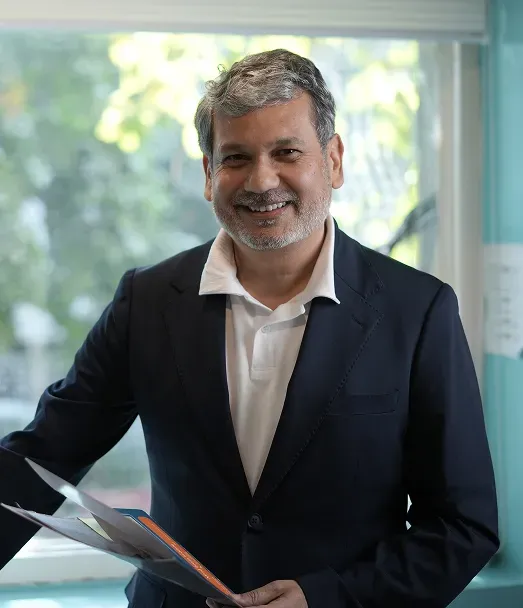
At Mind Brain Institute in Delhi, ketamine therapy is offered under the direct supervision of Dr. Anuranjan Bist, a US Board-Certified Psychiatrist with over 20 years of clinical experience. Every session is personalised, monitored, and paired with psychotherapy for lasting results.
Why Standard Antidepressants Don't Work for Everyone
To understand why ketamine works differently, it helps to understand why conventional antidepressants sometimes fail. Most antidepressants — SSRIs and SNRIs — target the serotonin or norepinephrine system in the brain. They work for many people, but they have two big limitations.
First, they take 4 to 6 weeks to show any effect. Second, research suggests that roughly 30% of people with depression do not respond to them at all. This is what clinicians call treatment-resistant depression (TRD) — and it is far more common than most people realise. Ketamine takes a completely different route into the brain.
The Science: How Ketamine Works on the Brain
Ketamine works primarily by blocking a receptor in the brain called the NMDA receptor (N-methyl-D-aspartate). This receptor is part of the glutamate system, the brain’s most abundant excitatory neurotransmitter pathway.
Here is what happens, simply put:
In a depressed brain, stress and chronic low mood cause synaptic connections to weaken and shrink. The brain, in a sense, loses its flexibility. Ketamine rapidly triggers a surge of glutamate activity, which stimulates the production of BDNF (Brain-Derived Neurotrophic Factor) — essentially a growth protein for brain cells. This causes something researchers call synaptogenesis: the rapid regrowth and strengthening of neural connections in the prefrontal cortex, the region most associated with mood, decision-making, and emotional regulation.
In simple terms, ketamine helps the depressed brain physically rebuild itself. And it does this fast. A landmark study published in the American Journal of Psychiatry found that a single infusion of ketamine produced significant antidepressant effects within 24 hours in patients with treatment-resistant depression. That kind of speed is unprecedented in psychiatric medicine.
What Does the Research Actually Show?
The clinical evidence for ketamine therapy for depression is substantial and growing:
Studies consistently show response rates of 50–70% in patients with treatment-resistant depression people who had already failed two or more antidepressant trials. Research also shows ketamine produces rapid reductions in suicidal ideation, often within hours of treatment, a critical advantage when someone is in acute crisis. A 2019 review in Nature highlighted ketamine’s unique mechanism as a “fast-acting antidepressant,” setting it apart from every other treatment class currently available.
The FDA has already approved esketamine (a derivative of ketamine) as a nasal spray for treatment-resistant depression, further validating the underlying science.
What a Ketamine Therapy Session Looks Like
Many people feel nervous about what ketamine therapy actually involves. At Mind Brain Institute, the process is structured, safe, and supportive. A typical session lasts 60 to 90 minutes. Before treatment begins, every patient undergoes a thorough psychiatric assessment to confirm suitability. During the session, you are in a calm, supervised environment, vitals are monitored throughout.
Most patients describe the experience as deeply relaxing, with some reporting a mild dissociative or dream-like quality that fades quickly after the session ends. A full course typically involves 6 to 8 sessions, often combined with psychotherapy for deeper and more lasting benefit. Many patients begin to notice meaningful improvement after the second or third session.
Is Ketamine Therapy Right for You?
Ketamine therapy in Delhi at Mind Brain Institute is particularly suited for individuals who have tried antidepressants without satisfactory results, those dealing with severe depression, PTSD, OCD, or chronic anxiety, and people who need faster relief than traditional treatments can offer.
It is not suitable for everyone, which is why a detailed evaluation always comes first. But for the right patient, the results can be genuinely life-changing.
You Have Not Run Out of Options
Depression is not a character flaw, and being treatment-resistant does not mean you are beyond help. It simply means the right approach has not been tried yet. Ketamine therapy represents one of the most exciting and evidence-backed tools available today, and it is now accessible right here in Delhi. If you or someone you love has been struggling despite trying conventional treatments, it may be time to have a different conversation.
Book a 15-minute consultation with our team at Mind Brain Institute, confidential, no commitment required.
FAQ
Q1. How quickly does ketamine therapy work for depression?
Most patients notice a difference within 24 to 48 hours — sometimes even after the very first session. It is genuinely one of the fastest-acting treatments available for depression today.
Q2. Is ketamine therapy safe?
Yes, it is safe when done under proper medical supervision. At Mind Brain Institute, every session is monitored by an experienced psychiatrist from start to finish.
Q3. Who is a good candidate for ketamine therapy for depression?
It works best for people who have already tried antidepressants without success. If standard treatments have not helped you, ketamine therapy is absolutely worth exploring.
Q4. How many sessions of ketamine therapy are needed?
Most patients go through 6 to 8 sessions. Some start feeling better as early as the second or third session, depending on how they respond.
Q5. Is ketamine therapy available in Delhi?
Yes. Mind Brain Institute in Safdarjung Enclave, New Delhi offers fully supervised ketamine therapy led by Dr. Anuranjan Bist, a US Board-Certified Psychiatrist.