Combination Therapy for Bipolar Depression and Beyond SSRIs
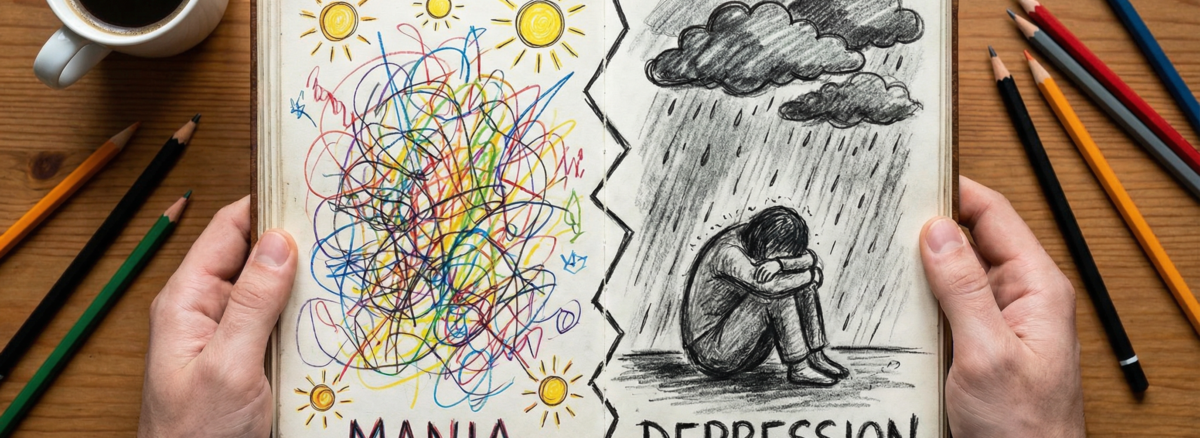
Bipolar depression may be overwhelming in that the high and low mood swings caused by the condition may interfere with normal lives. To a large number of people, SSRIs (Selective Serotonin Reuptake Inhibitors) are not lasting and may even induce mania. This is where combination therapy for bipolar depression can offer a promising solution.
Combination therapy is one of such treatment patterns and involves the use of numerous methods to improve the depressive and manic episodes of bipolar disorder. The combination of mood stabilisers, atypical antipsychotics, and antidepressants will assist the doctors to rely on the treatment plan that will address the needs of any specific individual. Also, a non-invasive treatment, Transcranial Magnetic Stimulation (TMS), can be more effectively used to address treatment-resistant bipolar depression.
Here, we will explore more about combination therapy for bipolar depression and other advanced treatments that go beyond SSRIs, giving hope to those who have not experienced relief from traditional treatments. These are some of the innovative ways of treating bipolar depression, which we will be discussing.
What is Bipolar Depression?
Bipolar disorder or manic-depressive disorder is a condition that is linked to drastic mood fluctuations that include emotional peaks (mania or hypomania) and low times (depression). These mood fluctuations may seriously affect life, relationships, and performance in day-to-day situations. Despite the existence of some similarities between the depressive state of bipolar disorder and major depressive disorder, bipolar and major depressions are marked by various characteristics.
The disorder of bipolar depression is a complex one whose management mostly involves a combination of pharmacotherapy and psychotherapy. However, the traditional treatments like the SSRIs fail to work on every patient, and this is what leads to the occurrence of treatment-resistant depression (TRD).
What is Treatment-Resistant Bipolar Depression (TRBD)?
Treatment-resistant bipolar depression (TRBD) is a condition in which a person is not responding properly to the impact of a minimum of two antidepressants or any other type of commonly used drugs. SSRI tends to be the initial treatment in persons with bipolar depression, and in most cases, it would be inadequate to apply remediation to the patient and, in many cases, cause a manic attack in a patient suffering from bipolar disorder.
Such an inability to get relief may be very frustrating and may make people hopeless. However, the encouraging thing is that there are a number of alternative treatment pathways, such as combination therapy, which could bring new hope.
Why SSRIs May Not Be Enough for Bipolar Depression
As effective as many types of depression, SSRIs are not necessarily always the best in the case of bipolar depression. The problem is in the interaction of SSRIs with mood swings, which are usual with bipolar disorder.
The potential to induce Mania: SSRIs exert their actions by increasing the amount of serotonin in the brain. This serotonin boost, in a bipolar patient, can sometimes lead to mania, which is against the intentions of people who are trying to normalise their mood.
Ineffective Representation: SSRIs may be efficient in minimising the symptoms of depression in the majority of cases, yet they are incapable of reflecting on the overall spectrum of the mood management required to treat bipolar conditions.
Specific therapy is necessary: In the situation with the patient having bipolar depression, a more specific and combined treatment plan is needed to embrace both the depressive and the manic parts of the disease.
Hence, SSRIs alone cannot deal with the state of bipolar depression, and the integration of more efficient methods of controlling the mood and providing long-term stability is of great benefit to the patients.
What is Combination Therapy for Bipolar Depression
Combination therapy is a type of regimen treatment consisting of two or more treatment/medical forms to treat some symptoms of bipolar disorder. In the case of bipolar disorder, the combination therapy is usually included by the combination of medications like mood stabilisers, antipsychotics, and antidepressants used simultaneously.
Why is combination therapy for bipolar depression useful?
- Multidimensional Treatment: Bipolar depression is not a benign illness that can be treated, and the mode of treatment is the treatment of various aspects of the disease. The combination therapy can assist the physician to focus on the mood stabilisation, sustain the symptoms of depression, and prevent the occurrence of manic episodes.
- Drug Interactions: Some drugs, e.g., lithium, which is a mood stabiliser, or valproate, can be combined with antipsychotic medication (e.g., quetiapine or aripiprazole) or antidepressants. Their combination helps to mitigate the effects of any drug to the minimal extent of side effects, and the results of the treatment are enhanced.
- Individual Response: The synergistic interaction of the drugs can be personalised to the personal response of an individual, and that is how the doctors can make it more personal and effective to treat bipolar depression.
Overall, combination therapy for bipolar depression offers a comprehensive and customized approach to managing bipolar depression, addressing its complexities and providing the best chance for long-term stability.
What Are the Key Medications Used in Combination Therapy for Bipolar Depression
Here are the most common medications that are used in combination therapy for bipolar depression:
Mood Stabilizers:
Lithium: It is the most common mood stabiliser that is used in the reduction of the occurrence as well as the severity of mood swings.
Anticonvulsants: This form of anticonvulsant as valproate or lamotrigine, is also a mood stabiliser, and may be of particular benefit to patients who fail to respond to lithium.
Atypical Antipsychotics:
Quetiapine and Olanzapine: The medications are particularly effective in the manic episodes of bipolar disorder and can be utilised in reducing the depressive manifestations.
Aripiprazole: It is claimed that aripiprazole possesses fewer sedative side effects and is often combined with mood stabilisers.
Antidepressants:
This combination therapy of SSRIs or SNRIs ( Serotonin-Norepinephrine Reuptake Inhibitors ) is not always useless; however, it needs care since this may induce mania in some of the bipolar patients.
These therapies would focus on the process of establishing a more balanced and sustainable type of therapy, which would regulate bloody and manic episodes.
How Does Transcranial Magnetic Stimulation (TMS) Help in Bipolar Depression
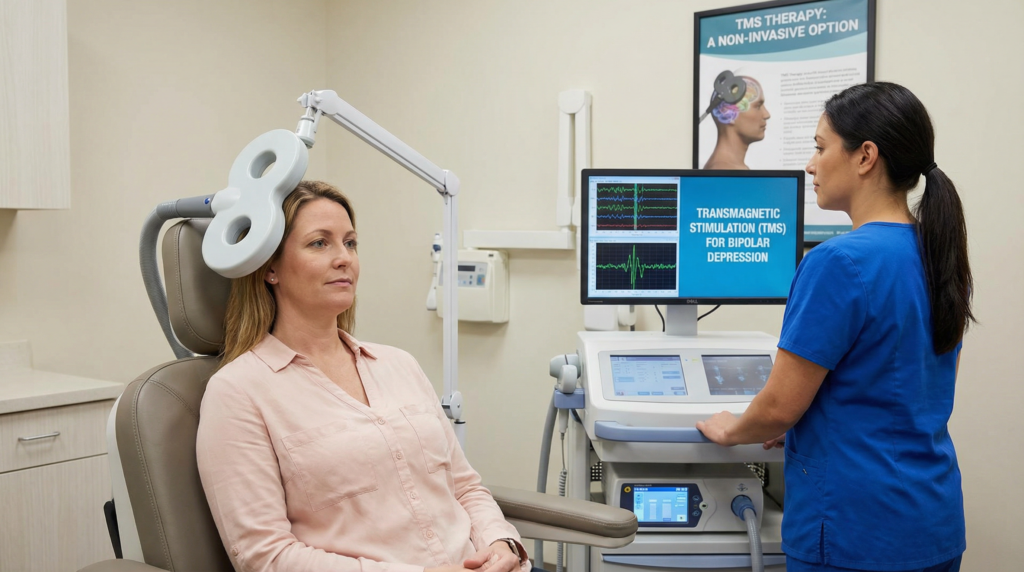
Considering that medications have not been able to offer the required relief, Transcranial Magnetic Stimulation (TMS) can be a good alternative. TMS is a non-invasive type of treatment, and it entails the administration of magnetic fields to the brain cells. It is mostly used in depression, especially when the standard antidepressants fail.
How TMS Works:
TMS also activates certain parts of the brain that are involved during depressive episodes. It can stimulate the work of these regions by using magnetic pulses, which can enhance mood regulation and alleviate the symptoms of bipolar depression.
Why would TMS be important in the case of bipolar depression?
- Non-invasive: TMS does not involve the use of anaesthesia or an operation similar to ECT (Electroconvulsive Therapy).
- Low Side Effects: TMS is very tolerable, and the side effects are few, hence it is a better alternative to those who have been experiencing the side effects of medication.
- TRD effectiveness: Research indicates that TMS has the potential to be used effectively in treating depression in patients who have resisted other conventional treatment methods.
TMS, as a non-invasive method, has the promise of an alternative therapy for bipolar depression, particularly when other therapies have already been ineffective. It is an effective drug that can be used over a long period to stabilise mood due to its minimal side effects and effectiveness.
TMS for Bipolar Depression
What Are the Other Treatment Options for Bipolar Depression
Although combination therapy and TMS of bipolar depression are superior treatment methods, they are not the sole treatment modes.
- Electroconvulsive Therapy (ECT): ECT can be a good means of therapy in severe bipolar depression that fails to respond to medications. It works by relaying electrically stimulated signals to the brain to reduce symptoms of depression.
- Psychotherapy: Cognitive Behavioral Therapy (CBT), psychoeducation may be useful as an addition to pharmacological therapy. The therapies help them to be aware of their condition, manage their triggers, and develop their coping mechanisms.
- Lifestyle Adjustments: Non-pharmacological and Non-pharmacological Interventions: What we mean by this is the routine in life, the sleep hygiene, the exercise, and stress management strategies can really help the symptoms of bipolar depression.
These are some of the other methods that can be used to supplement conventional treatments.
How Mind Brain Institute Uses Holistic Combination Therapy for Bipolar Depression
Here at Mind Brain Institute, we understand that the treatment of bipolar depression does not just involve taking medicine, but a personalised approach to treatment. Our practise involves both the use of advanced therapies and a focus on the individual requirements of the person. We will start with a comprehensive assessment of the medical history, symptoms, and treatment history of individual patients to come up with a plan that will be effective for them.
Our combination therapy applies to the treatment of bipolar depression, which includes several modalities, including mood stabilisers, Transcranial Magnetic Stimulation (TMS), Ketamine therapy, QEEG Brain Mapping, and lifestyle changes. The two-fold or multi-pronged strategy is effective in minimising symptoms of depression, as well as stabilising mood fluctuations and minimising the chances of manic outbursts. Through taking care of both the mental and physical effects of bipolar depression, we hope to offer permanent relief and quality of life.
Through our professional skills and comprehensive approaches, we can enable patients to be in control of their mental health, thus resulting in long-term well-being and stability.

Dr. Anuranjan Bist stands as a pioneering figure in the field of mental health, seamlessly blending traditional psychiatric methods with holistic wellness practices. With a profound understanding of the human mind and body, Dr. Bist has redefined therapeutic approaches by integrating Transcranial Magnetic Stimulation (TMS) and Ketamine therapy with ancient yoga techniques, showcasing his innovative spirit and dedication to comprehensive care.