A Complete Guide to Understanding Postpartum Mental Health in India
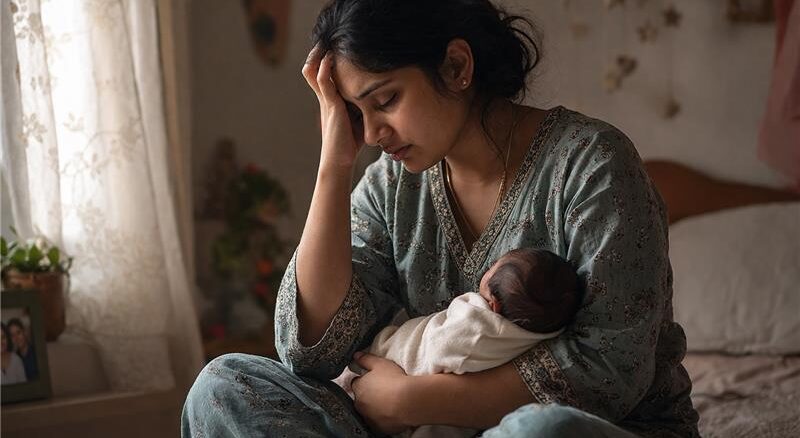
Motherhood is often described as one of the happiest phases in a woman’s life. In India, it is surrounded by celebration, rituals, and family attention. But beneath that visible joy, many women experience emotional exhaustion, anxiety, confusion, and deep internal struggles. This is exactly why postpartum mental health in India deserves far more attention than it currently receives. The issue is not rarity, but invisibility. Many women silently go through emotional distress that is dismissed as “normal.” The baby becomes the center of care, while the mother’s emotional state fades into the background. As a result, postpartum mental health in India continues to remain one of the most overlooked aspects of maternal care.
What Does Postpartum Mental Health in India Really Mean?
Postpartum mental health in India refers to a mother’s emotional and psychological well-being after childbirth. This period is often reduced to physical recovery, but the mental impact is equally significant. Hormonal changes, lack of sleep, identity shifts, and new responsibilities can deeply affect a woman’s emotional state. While some mood fluctuations are expected, postpartum depression in India goes beyond temporary emotional changes. It affects daily functioning, bonding with the baby, and overall mental stability. Recognizing postpartum mental health in India early is essential for preventing long-term consequences.
Why Is Postpartum Mental Health in India Still So Overlooked?
One of the biggest reasons postpartum mental health in India is overlooked is the cultural expectation that mothers should naturally adapt and remain emotionally strong. There is very little space for vulnerability. Emotional struggles are often normalized. Statements like “every mother goes through this” dismiss serious concerns. This normalization delays recognition of postpartum depression in India. Additionally, maternal care in India is heavily focused on the baby. Feeding schedules, vaccinations, and growth metrics take priority, while the mother’s emotional state is rarely discussed. This imbalance contributes significantly to the neglect of postpartum mental health in India.
How Common Is Postpartum Depression in India?
Postpartum depression in India affects a large number of women, but it remains underreported. Many women do not seek help due to stigma, lack of awareness, or fear of judgment. Research and discussions around maternal mental health, including insights shared in the silent struggle around postpartum depression in India, highlight how deeply this issue is embedded yet overlooked. Similarly, broader perspectives on the need for awareness and support for postpartum depression in India emphasize that the lack of open dialogue continues to prevent early diagnosis and treatment. This makes postpartum mental health in India not just a medical concern, but a societal one.
What Makes Mothers More Vulnerable to Postpartum Depression in India?

Postpartum depression in India is influenced by multiple factors that often overlap and intensify each other.
Some of the key contributors include:
- hormonal changes after childbirth
- sleep deprivation and physical exhaustion
- lack of emotional support
- financial or lifestyle stress
- societal pressure to “adjust quickly…”
In India, these challenges are often amplified by expectations of resilience and self-sacrifice. This makes postpartum mental health in India more fragile and complex.
What Are the Signs Families Should Not Ignore?
Postpartum depression in India can manifest in ways that are easy to overlook if families are not aware.
Some important signs include:
- persistent sadness or emptiness
- irritability and mood swings
- anxiety or panic
- difficulty bonding with the baby
- feelings of guilt or inadequacy
- withdrawal from daily life
If these symptoms persist beyond a couple of weeks, they should not be dismissed. Postpartum mental health in India requires early attention to prevent deeper complications.
What Happens When Postpartum Mental Health in India Is Ignored?
Ignoring postpartum mental health in India can lead to long-term emotional and psychological challenges. Untreated postpartum depression in India can evolve into chronic mental health conditions that affect a woman’s confidence, relationships, and quality of life. It also impacts the child. Early bonding and emotional connection are crucial for development. When a mother is struggling silently, it can affect caregiving patterns and emotional attachment. Families, too, experience strain when emotional distress is misunderstood. This is why postpartum mental health in India must be addressed proactively.
Why Do So Many Women Stay Silent About Postpartum Depression in India?
Silence is one of the biggest barriers in addressing postpartum mental health in India. Many women hesitate to speak up because of stigma and fear of judgment. They may worry about being labeled a bad mother or being misunderstood by family members. Cultural conditioning often encourages endurance over expression. This silence reinforces the cycle of neglect. Without open conversations, postpartum depression in India continues to remain hidden within households.
What Can Families and Healthcare Systems Do Better?
Improving postpartum mental health in India requires both awareness and structural change. Families can play a major role by offering emotional support, reducing pressure, and acknowledging that recovery includes mental well-being, not just physical healing. Healthcare systems must also integrate mental health into routine maternal care. Screening, counseling, and awareness programs should become standard practice. Access to reliable mental health information, such as resources available through structured mental health knowledge platforms, can help families better understand postpartum mental health in India and respond more effectively.
What Are the Best Ways to Treat Postpartum Depression in India?
Postpartum depression in India is treatable with the right approach. Early intervention can significantly improve outcomes. Treatment options may include therapy, counseling, lifestyle changes, and professional mental health care. Support from family and community also plays a crucial role in recovery. For mothers experiencing more complex conditions, such as intrusive thoughts or anxiety patterns, exploring structured care approaches like treatment guidance for postpartum OCD can provide deeper support and clarity. These approaches highlight how postpartum mental health in India can be managed effectively when addressed with the right resources.
How Can India Create a Better Future for Maternal Mental Health?
The future of postpartum mental health in India depends on awareness, acceptance, and action. Conversations around maternal mental health must become normalized across families, healthcare systems, and communities. Education, early screening, and accessible care can transform how postpartum depression in India is understood and treated. When society begins to prioritize postpartum mental health in India, it creates a healthier environment not just for mothers, but for entire families.
Conclusion
Postpartum mental health in India has remained overlooked because emotional struggles after childbirth are often normalized or ignored. But these experiences are real, significant, and deserving of attention.
By recognizing postpartum depression in India, encouraging open conversations, and providing proper support, we can change how motherhood is experienced. Taking care of the mother’s mind is not optional. It is essential.
If you or a loved one is struggling, the team at Mind Brain Institute offers compassionate, evidence-based care to support postpartum mental health and recovery.

Dr. Anuranjan Bist stands as a pioneering figure in the field of mental health, seamlessly blending traditional psychiatric methods with holistic wellness practices. With a profound understanding of the human mind and body, Dr. Bist has redefined therapeutic approaches by integrating Transcranial Magnetic Stimulation (TMS) and Ketamine therapy with ancient yoga techniques, showcasing his innovative spirit and dedication to comprehensive care.