
Introduction
Imagine a treatment that reaches into the brain itself – no surgery, no sedation, no systemic side effects and gently coaxes underactive neural circuits back to life. For millions of Indians silently battling depression, OCD, anxiety, and PTSD, this isn’t science fiction. It’s TMS therapy in India, and it’s changing the landscape of mental healthcare one magnetic pulse at a time.
Yet, for all its promise, TMS therapy in India remains one of the most misunderstood therapies. Patients ask: Is it approved? Is it safe? Where can I access it? Can it help me after medications have failed? These are fair questions, and they deserve honest, well-informed answers.
What Exactly is TMS?
Transcranial Magnetic Stimulation (TMS) is a non-invasive brain stimulation technique that uses rapidly alternating magnetic fields to induce targeted electrical currents in specific regions of the cerebral cortex. When applied repetitively, known as repetitive TMS or rTMS, it can modulate the activity of neural networks involved in mood, cognition, and behaviour.
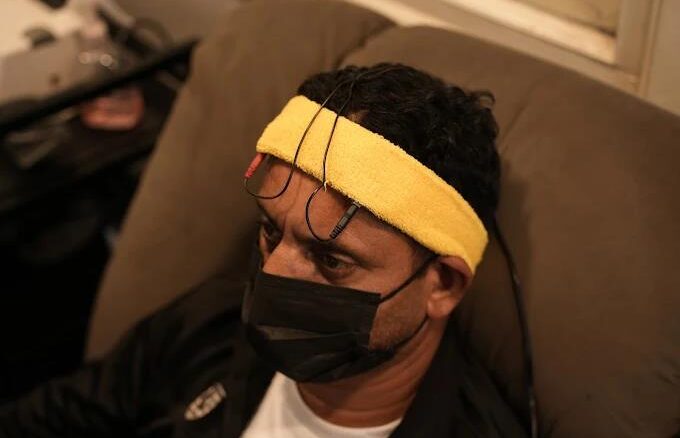
The procedure takes approximately 20-40 minutes per session, requires no anaesthesia, and is typically administered over four to six weeks. Patients remain fully awake throughout, can drive home immediately after, and carry on with their day without interruption. Unlike electroconvulsive therapy (ECT), TMS therapy in India does not involve a seizure, and unlike antidepressants, it does not circulate through the bloodstream, meaning none of the systemic side effects like weight gain, sexual dysfunction, or sedation.
What Are the Global Regulatory Milestone?

The global regulatory story of TMS is one of steady, evidence-driven acceptance. The U.S. Food and Drug Administration (FDA) first cleared TMS for treatment-resistant major depressive disorder (MDD) in 2008. Since then, the same technology has received approval for OCD, anxious depression, and, as of 2024, extended to adolescents aged 15 and above. International bodies including the American Psychiatric Association, the World Federation of Societies for Biological Psychiatry, and the Royal Australia and New Zealand College of Psychiatrists have all formally endorsed TMS as a recognised, evidence-based treatment for patients who haven’t adequately responded to antidepressant medications.
The regulatory framework for medical devices, including equipment for TMS therapy in India, falls under the Central Drugs Standard Control Organisation (CDSCO), the country’s national regulatory authority operating under the Ministry of Health and Family Welfare. TMS devices are classified as medical devices under the Medical Devices Rules (MDR), 2017, and import and clinical use are governed accordingly through the MDONLINE platform for device registration.
Critically, while there is no single standalone “TMS approval” document equivalent to an FDA clearance letter in India’s regulatory architecture, TMS equipment from globally certified manufacturers is legally imported and used in clinical settings under CDSCO’s medical device framework. This means that reputable TMS therapy centres in India operate within a legitimate regulatory envelope, provided they use properly registered devices, maintain qualified medical oversight, and follow established clinical protocols.
What Are the TMS Therapy Guidelines in India?
Perhaps the most significant development in terms of guidelines for TMS therapy in India came in 2023, when the Indian Psychiatric Society (IPS) published its Clinical Practice Guidelines (CPG) for the therapeutic use of repetitive TMS in neuropsychiatric disorders, a landmark document published in the Indian Journal of Psychiatry. This was a direct response to the rapidly growing interest among Indian psychiatrists in rTMS as a clinical tool, the increasing availability of equipment for TMS therapy in India and the expanding evidence base, including research emerging from Indian institutions themselves.
The IPS-CPG provides structured, evidence-based recommendations on patient selection, treatment protocols, operator training, and safety monitoring. It defines the roles of both the “TMS physician” – a clinician with prescriptive privileges and extensive grounding in brain physiology, typically a psychiatrist, neurologist, or neurosurgeon and the “TMS operator,” who must be trained to recognise adverse events including rare but serious risks such as seizures. These guidelines bring India in line with international standards and provide a professional framework within which responsible TMS practice can flourish.
The IPS guidelines endorse rTMS for treatment-resistant depression as a primary indication, with growing evidence also supporting its use in OCD, PTSD, anxiety disorders, and several other conditions. This is not a fringe alternative, it is mainstream psychiatry catching up with neuroscience.
The Gap Between Evidence and Access
Despite this progress, access to TMS therapy in India remains deeply uneven. The therapy is largely concentrated in a handful of metropolitan centres. Most tier-2 and tier-3 cities have no access whatsoever. Insurance coverage is inconsistent, public awareness is limited, and stigma around brain stimulation therapies, however unfounded in the case of TMS, persists in some communities.
This is a critical challenge. India carries one of the world’s largest burdens of mental illness. According to national mental health surveys, over 150 million Indians need active mental health intervention at any given time. Of those treated with standard antidepressants, a substantial proportion, estimated at 20 to 60 percent, do not achieve adequate response. These are precisely the patients for whom TMS offers a compelling, evidence-backed alternative. The treatment gap is not just a clinical problem; it is a public health emergency.
Mind Brain Institute: Pioneering TMS Therapy in India
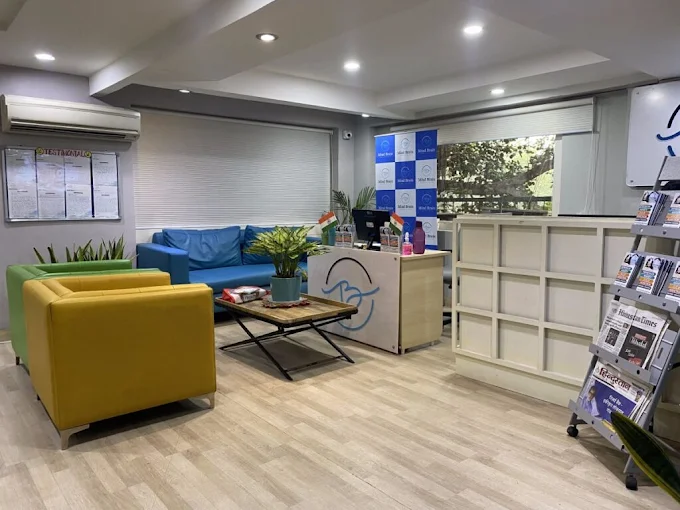
This is where the Mind Brain Institute in Delhi stands apart, not merely as a clinic, but as a centre of excellence that has helped define what responsible, integrative TMS practice looks like in the Indian context. TMS therapy in India at the institute is not deployed in isolation. It is offered alongside QEEG brain mapping, which provides a detailed, quantitative picture of the patient’s brain activity patterns before treatment begins, enabling targeted, protocol-specific stimulation.
It is combined with neurofeedback therapy, which trains the brain to self-regulate in real time. It is paired with HRV biofeedback, which modulates the autonomic nervous system and builds the physiological resilience needed for sustained recovery. And in certain cases, it is offered alongside ketamine-assisted therapy and transcutaneous vagus nerve stimulation (tVNS), therapies that work synergistically with TMS by activating different but complementary neural pathways.
This multi-modal approach of TMS therapy in India isn’t just philosophically appealing, it reflects the latest science. When neural stimulation, brain training, and somatic regulation are combined, the effect on outcomes is greater than any single therapy alone. For patients with treatment-resistant depression, anxiety, OCD, PTSD, ADHD, or addiction, this synergistic model can mean the difference between partial improvement and genuine, sustained recovery.
The Future of TMS Therapy in India
The trajectory for TMS therapy in India is one of genuine optimism. The IPS guidelines provide a professional framework. Global evidence continues to strengthen, a 2025 consensus review endorsed by the National Network of Depression Centers, the Clinical TMS Society, and the International Federation of Clinical Neurophysiology confirmed TMS as a safe, effective, and increasingly versatile treatment modality. New protocols are being developed that work faster and show promise in addressing suicidal ideation, anxiety, and bipolar depression. India’s psychiatric community is increasingly research-active in this space.
What remains to be done is infrastructure, more trained TMS physicians across cities, clearer insurance pathways, and greater public literacy about what brain stimulation actually involves and what it can offer.
Centres like Mind Brain Institute are not waiting for the system to catch up. They are building the standard, for training, for practice, for outcomes, that the rest of the country can follow.
Is TMS Right for You?
If you or someone you care about has lived with depression, OCD, anxiety, PTSD, or other conditions that haven’t responded to medications or therapy, TMS therapy in India may offer a genuinely new path forward. It is non-invasive, well-tolerated, and backed by two decades of clinical evidence.
The first step is an honest, informed conversation with a qualified TMS physician who can map your brain, understand your history, and design a treatment plan built around you, not around a standard protocol.
Mind Brain Institute in Delhi is that place. To learn more or book a consultation, visit mindbraintms.com.
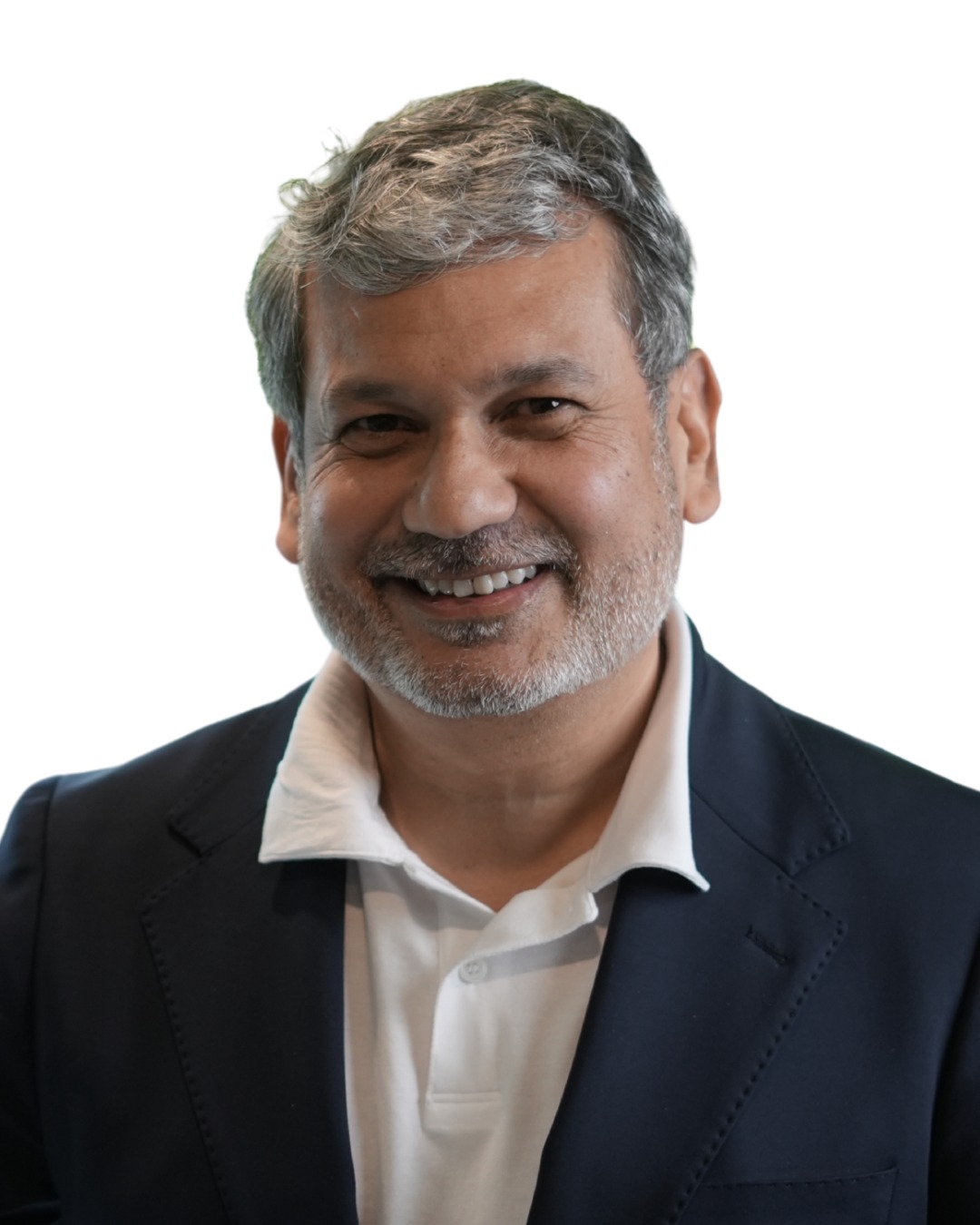
Dr. Anuranjan Bist stands as a pioneering figure in the field of mental health, seamlessly blending traditional psychiatric methods with holistic wellness practices. With a profound understanding of the human mind and body, Dr. Bist has redefined therapeutic approaches by integrating Transcranial Magnetic Stimulation (TMS) and Ketamine therapy with ancient yoga techniques, showcasing his innovative spirit and dedication to comprehensive care.
