


If the mind is the stage upon which all our conflicts, fears, and desires unfold, then movement-the simple act of exercising the body-becomes a kind of therapy for the unconscious. We often imagine medicine as something external: a pill, a remedy, a cure. Yet, the truest healing may lie within the self. When one walks, runs, or stretches, the body speaks with the mind in a language older than words, a language of rhythm, motion, and release. Exercises for depression and exercises for anxiety are, therefore, not merely movements of flesh but liberations of suppressed emotion.
Why Is Physical Activity So Effective in Treating Depression and Anxiety?
When the individual moves, the unconscious stirs. What physicians call endorphins or serotonin are, to the analyst, symbols of psychic reconciliation, the Id’s impulses being granted safe expression through bodily motion. Physical activity provides an acceptable outlet for inner tension; it channels aggression, fear, and frustration into the controlled rhythm of effort.
Harvard Medical School reports that regular movement not only improves mood but remodels the brain’s chemistry. Those who move regularly-walkers, swimmers, dancers-do not just fortify their bodies; they conduct a daily act of self-therapy, bridging a gap between what is felt and what is repressed.
What Are the Best Exercises for Depression?
Depression is, in its very nature, a sort of paralysis of the will. The mind turns inward, and the body does likewise. The remedy, therefore, must begin with the simplest movement, a literal turning outward.
- Walking: A slow pilgrimage from despair toward light.
- Cycling or Swimming: Acts of surrender and flow, one learns to move with life rather than against it.
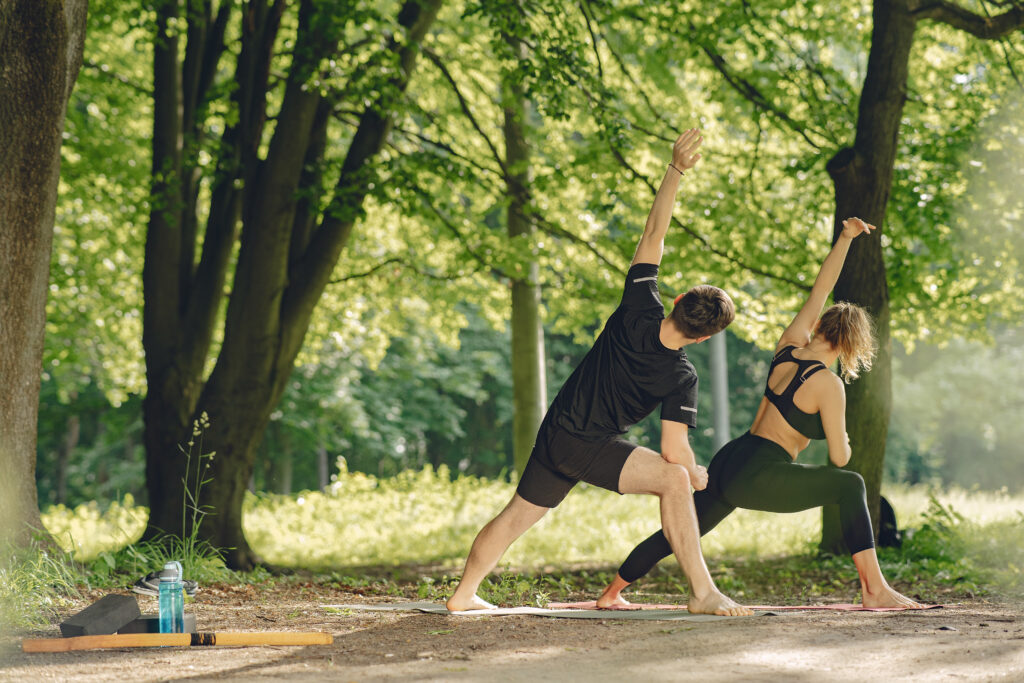
- Yoga: The reconciliation of body and mind, where breathing becomes a gentle dialogue with the unconscious.
- Dancing: The purest expression of joy and instinct, allowing the repressed self to speak.
- Strength Training: The rebuilding of not just muscle, but ego strength.
It is a courageous thing to move at all when one’s will is clouded by melancholy, a declaration of life against inertia.
Which exercises for anxiety are most effective?
Anxiety, as Freud once described it, is the signal of inner conflict, a message from the unconscious that the ego is under threat. Exercise gives the ego a tool for mastery. It transforms vague tension into purposeful action, converting psychic fear into motion.
- Yoga and Deep Breathing: Calm the storm of inner alarm by reconnecting breath, the symbol of life with consciousness.
- Jogging or Light Running: Rhythmic movement that mirrors the heartbeat, restoring control over a racing mind.
- Tai Chi: The dance between energy and restraint, where balance becomes both physical and emotional.
- Pilates: A discipline that reclaims control over the body, thus restoring confidence to the ego.
- Nature Walks: Nature is used here as the externalized mother, comforting and nourishing, calming the child within.
Even five minutes of gentle movement can remind the psyche that not all tension must end in fear; some may end in freedom.
What does science tell us about the power of exercise to heal?
Science names what psychoanalysis intuits. Exercise generates BDNF, builds new brain cells, and diminishes stress hormones like cortisol. Movement allows repressed energies to find release and transformation. It is the modern alternative for what ancient rituals once provided, a rhythm through which the unconscious could speak safely.
To move the body is to move the mind. Each stretch becomes a negotiation between what we suppress and what we choose to express. In doing so, we reclaim authorship of our emotional narrative.
How Can You Create a Personalized Routine Using Exercises for Depression and Anxiety?
Healing begins not with the perfect regimen but with self-knowledge. Choose what brings pleasure, not punishment. Pleasure, Freud reminds us, is the natural compass of the psyche.
- Choose what delights you. Let instinct guide you, dance if music moves you, or walk if silence comforts you.
- Start small. Even a ten-minute ritual signals commitment to life.
- Be realistic. The superego demands perfection; the healthy ego accepts progress.
- Alternate forms. Balance energizing exercises with calming ones.
- Observe your mood. Self-observation, what I once called free association in motion, reveals hidden emotions.
- Forgive yourself. There will be resistance; it is part of the process.
With time, this daily ritual becomes not merely physical training but psychic hygiene.
Can Exercises for Depression and Anxiety Truly Replace Medication?
In psychoanalytic terms, exercise cannot replace all forms of treatment; it cannot, for instance, unearth the unconscious causes of despair, but it can complement them profoundly. A recent analysis published in Medical News Today revealed that movement may be up to 1.5 times more effective than medication alone in alleviating mild to moderate symptoms.
Still, one must remember: the psyche is not merely chemistry; it is history, emotion, and memory intertwined. For deeper wounds, therapy and medical care remain vital. At the Mind Brain Institute, patients are encouraged to integrate physical well-being with evidence-based therapies, uniting movement with insight, body with mind. This union is what I would call the talking cure evolved into the moving cure.
Final Thoughts
So, can exercise truly be medicine for the mind? Unquestionably. It is the most primal dialogue between the conscious and the unconscious, the ego and the body, restoring what fragmentation has stolen.
One need not begin with grand ambition. Begin instead with a single movement, a walk, a stretch, a breath, and allow the psyche to follow. In every step lies an unspoken confession, and in every breath, a small act of healing.
When the mind feels too heavy, let the body take over. For in motion, we rediscover what still lives within us, the will to heal, the instinct to survive, and the quiet joy of simply being alive.

