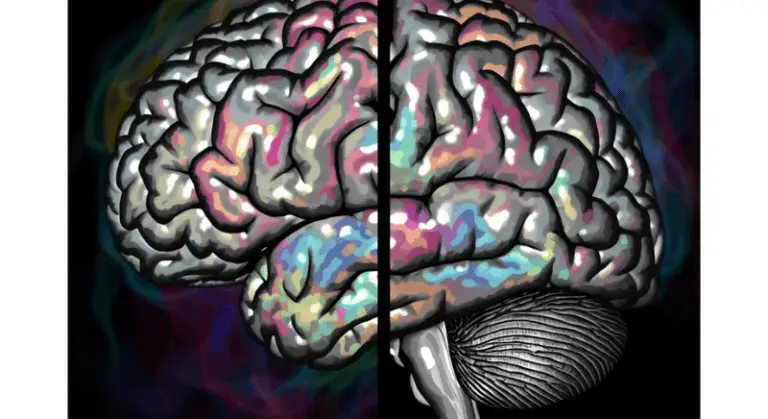
Severe depression can affect much more than a person’s mood. It can interfere with sleep, concentration, relationships, work, studies, self-care, and even the ability to complete simple everyday tasks. For some people, symptoms can become persistent and difficult to manage despite trying conventional treatments.
Understanding how severe depression affects daily functioning is an important step toward seeking appropriate professional support. Depending on an individual’s symptoms, medical history, and previous treatment response, a psychiatrist may consider different treatment approaches, including psychotherapy, medication, TMS, or ketamine for severe depression in appropriate cases.
What Is Severe Depression?
Depression can range from mild to severe, and its impact can vary from person to person. Severe depression generally involves intense or persistent symptoms that significantly interfere with everyday life.
Common symptoms may include:
- Persistent sadness or emptiness
- Loss of interest in previously enjoyable activities
- Significant changes in sleep or appetite
- Low energy and fatigue
- Difficulty concentrating or making decisions
- Feelings of worthlessness or excessive guilt
- Social withdrawal
- Difficulty maintaining work, studies, or household responsibilities
When several of these symptoms occur together, even routine activities can start to feel overwhelming.
How Severe Depression Can Affect Daily Life
1. Work and Academic Performance
Depression can make it difficult to concentrate, remember information, organize tasks, or make decisions. Someone who previously managed their workload easily may begin missing deadlines, avoiding responsibilities, or struggling to stay focused.
This isn’t necessarily a lack of motivation. Depression can affect cognitive functioning and energy levels, making ordinary demands feel much harder.
2. Personal Care and Routine
Severe depression can make basic self-care feel exhausting. Getting out of bed, preparing meals, maintaining personal hygiene, exercising, or keeping a regular sleep schedule may become difficult.
When these changes continue over time, they can further disrupt a person’s physical and emotional wellbeing.
3. Relationships and Social Life
Depression can cause people to withdraw from family members, friends, and colleagues. A person may stop responding to messages, avoid social situations, or feel unable to explain what they are experiencing.
Loved ones may sometimes interpret this withdrawal as disinterest, but it can actually be a symptom of depression.
4. Sleep and Energy
Sleep problems are common in depression. Some people sleep much more than usual, while others struggle with insomnia or frequent waking.
Poor sleep can contribute to daytime fatigue, irritability, and difficulty concentrating, creating a cycle that makes daily functioning even more challenging.
5. Decision-Making and Concentration
Depression can affect the ability to think clearly and make everyday decisions. Simple choices may feel unusually difficult, while completing tasks that require sustained attention can become frustrating.
This can affect everything from workplace responsibilities to household planning.
When Depression Becomes Difficult to Treat
Some people continue experiencing significant symptoms despite receiving standard depression treatments. This may be described as treatment-resistant depression, although the diagnosis requires a careful assessment by a qualified mental health professional.
A psychiatrist may review previous medications, psychotherapy, treatment duration, adherence, co-existing conditions, and other factors before determining whether depression has been difficult to treat. There isn’t one treatment that works for everyone. Treatment decisions should be based on the individual’s symptoms, medical history, previous response to treatment, and overall clinical needs.
Where Does Ketamine Fit Into Depression Treatment?
Ketamine for severe depression has received attention because research has found that ketamine-based treatments can produce relatively rapid antidepressant effects in some people, particularly those with treatment-resistant depression. Ketamine works differently from many traditional antidepressants and influences the brain’s glutamate system. However, it isn’t appropriate for everyone and should not be viewed as a universal treatment for severe depression.
Before considering ketamine treatment, a psychiatrist should evaluate the person’s mental and physical health, previous treatment history, current medications, and potential risks. When ketamine treatment is considered, appropriate medical supervision and monitoring are important throughout the process.
Seeking Professional Help for Severe Depression
If depression is significantly affecting your ability to work, study, maintain relationships, sleep, or care for yourself, it is worth discussing these changes with a mental health professional.
At Mind Brain Institute, patients can discuss their symptoms and treatment history with a psychiatric professional to understand which treatment options may be appropriate for their situation. If you would like to learn more about treatment options, contact us to schedule a consultation and discuss your concerns with the clinical team. Severe depression can affect nearly every part of daily life, but struggling with these symptoms does not mean you have to manage them alone. A proper psychiatric evaluation can help identify the next appropriate step.
Frequently Asked Questions
1. How does severe depression affect daily functioning?
Severe depression can interfere with concentration, energy, sleep, self-care, work, studies, relationships, and everyday responsibilities. The level of impairment varies between individuals.
2. Is ketamine used for severe depression?
Ketamine-based treatment may be considered for some people with severe or treatment-resistant depression following an appropriate psychiatric evaluation. It is not suitable for everyone.
3. How quickly can ketamine affect depression symptoms?
Some people may experience changes in depressive symptoms relatively quickly after ketamine treatment, but the response varies. A psychiatrist should determine whether it is an appropriate treatment option.
4. Is ketamine a replacement for antidepressants?
Not necessarily. Ketamine-based treatment is a different therapeutic approach and may be considered alongside or after other treatments depending on an individual’s clinical situation. Treatment decisions should be made with a qualified psychiatrist.
5. When should someone seek help for severe depression?
Professional help should be considered when depressive symptoms persist, worsen, or significantly interfere with daily life. If someone is experiencing thoughts of suicide or self-harm, urgent professional or emergency support should be sought immediately.
How much does TMS therapy cost in India?
At Mind Brain Institute (New Delhi), TMS therapy costs ₹1,500 to ₹3,000 per session. A full course of 20–30 sessions ranges from ₹30,000 to ₹90,000, depending on the protocol your psychiatrist recommends and your individual treatment response. The full-course figure is the most useful number to budget around, since TMS is delivered as a structured course rather than as standalone sessions.
Is TMS covered by insurance in India?
Coverage is variable. Some Indian insurers reimburse TMS for treatment-resistant depression when prescribed by a psychiatrist and supported by documented prior treatment failure. Pre-authorisation is often required. Mind Brain Institute’s team will help you verify your specific policy and prepare the documentation required to support a claim.
How many TMS sessions will I need?
A standard depression course typically involves 20–30 sessions over 4–6 weeks. OCD protocols are usually 29 sessions. Treatment-resistant depression may require 30–36 sessions. The SAINT and ONE-D accelerated protocols compress treatment into a single intensive day. Your psychiatrist will confirm the recommended course after your initial assessment.
Is TMS cheaper than long-term medication?
It depends on your situation. Medication can look cheaper month to month, but over 2–5 years the cumulative cost — including consultations, side-effect management, and the impact of relapses — can match or exceed the cost of a one-time TMS course. The most accurate comparison is one made with your treating psychiatrist based on your individual history.
What is included in the per-session price at Mind Brain Institute?
The price includes clinician supervision throughout the session, use of FDA-cleared TMS equipment, treatment monitoring and adjustments based on your response, and routine follow-up consultations within the treatment period. The initial psychiatric assessment is conducted upfront so you have a clear cost estimate before treatment begins.
Are there any hidden charges?
No. Mind Brain Institute quotes the total cost upfront after your initial assessment. Pre-treatment assessments and follow-up consultations within the treatment period are included in the package price.
Do you offer EMI or financing options?
Yes. We partner with financing providers to offer EMI plans over 6–24 months at standard interest rates. Our care coordinator will walk you through the options during your free consultation.
Why is TMS at Mind Brain Institute priced differently from other Delhi clinics?
The cost reflects 16+ years of hands-on TMS clinical experience under Dr. Anuranjan Bist (US Board-Certified, practising TMS since 2008), the availability of the full range of modern TMS protocols (rTMS, Deep TMS, SAINT, ONE-D) matched to your specific diagnosis, integrated care planning rather than standalone sessions, and 260+ verified patient reviews. Cheaper TMS exists in Delhi; comparable-quality TMS at this price does not.
How quickly can I start treatment?
Once you book your free consultation, the initial psychiatric assessment can typically be scheduled within 3–5 working days. If TMS is appropriate for you, treatment usually begins within 1–2 weeks of the assessment.
Once you book your free consultation, the initial psychiatric assessment can typically be scheduled within 3–5 working days. If TMS is appropriate for you, treatment usually begins within 1–2 weeks of the assessment.
Can I combine TMS with my current medication?
Yes. TMS is non-systemic, so it doesn’t interact with medications. Most patients continue their current medication during TMS, and many are able to reduce or discontinue medication after successful treatment, under their psychiatrist’s supervision.
Is TMS safe?
TMS is one of the safest brain stimulation treatments available — non-invasive, no anaesthesia required, no systemic side effects. The most common side effects are mild scalp discomfort and occasionally a brief headache during the first few sessions, both of which typically resolve quickly. Serious side effects are extremely rare.
How much does TMS therapy cost in India?
At Mind Brain Institute (New Delhi), TMS therapy costs ₹1,500 to ₹3,000 per session. A full course of 20–30 sessions ranges from ₹30,000 to ₹90,000, depending on the protocol your psychiatrist recommends and your individual treatment response. The full-course figure is the most useful number to budget around, since TMS is delivered as a structured course rather than as standalone sessions.
Is TMS covered by insurance in India?
Coverage is variable. Some Indian insurers reimburse TMS for treatment-resistant depression when prescribed by a psychiatrist and supported by documented prior treatment failure. Pre-authorisation is often required. Mind Brain Institute’s team will help you verify your specific policy and prepare the documentation required to support a claim.
How many TMS sessions will I need?
A standard depression course typically involves 20–30 sessions over 4–6 weeks. OCD protocols are usually 29 sessions. Treatment-resistant depression may require 30–36 sessions. The SAINT and ONE-D accelerated protocols compress treatment into a single intensive day. Your psychiatrist will confirm the recommended course after your initial assessment.
Is TMS cheaper than long-term medication?
It depends on your situation. Medication can look cheaper month to month, but over 2–5 years the cumulative cost — including consultations, side-effect management, and the impact of relapses — can match or exceed the cost of a one-time TMS course. The most accurate comparison is one made with your treating psychiatrist based on your individual history.
What is included in the per-session price at Mind Brain Institute?
The price includes clinician supervision throughout the session, use of FDA-cleared TMS equipment, treatment monitoring and adjustments based on your response, and routine follow-up consultations within the treatment period. The initial psychiatric assessment is conducted upfront so you have a clear cost estimate before treatment begins.
Are there any hidden charges?
No. Mind Brain Institute quotes the total cost upfront after your initial assessment. Pre-treatment assessments and follow-up consultations within the treatment period are included in the package price.
Do you offer EMI or financing options?
Yes. We partner with financing providers to offer EMI plans over 6–24 months at standard interest rates. Our care coordinator will walk you through the options during your free consultation.
Why is TMS at Mind Brain Institute priced differently from other Delhi clinics?
The cost reflects 16+ years of hands-on TMS clinical experience under Dr. Anuranjan Bist (US Board-Certified, practising TMS since 2008), the availability of the full range of modern TMS protocols (rTMS, Deep TMS, SAINT, ONE-D) matched to your specific diagnosis, integrated care planning rather than standalone sessions, and 260+ verified patient reviews. Cheaper TMS exists in Delhi; comparable-quality TMS at this price does not.
How quickly can I start treatment?
Once you book your free consultation, the initial psychiatric assessment can typically be scheduled within 3–5 working days. If TMS is appropriate for you, treatment usually begins within 1–2 weeks of the assessment.
Once you book your free consultation, the initial psychiatric assessment can typically be scheduled within 3–5 working days. If TMS is appropriate for you, treatment usually begins within 1–2 weeks of the assessment.
Can I combine TMS with my current medication?
Yes. TMS is non-systemic, so it doesn’t interact with medications. Most patients continue their current medication during TMS, and many are able to reduce or discontinue medication after successful treatment, under their psychiatrist’s supervision.
Is TMS safe?
TMS is one of the safest brain stimulation treatments available — non-invasive, no anaesthesia required, no systemic side effects. The most common side effects are mild scalp discomfort and occasionally a brief headache during the first few sessions, both of which typically resolve quickly. Serious side effects are extremely rare.