

- Posted By Dr. Anuranjan Bist
- Comments 0

For decades, depression has been explained almost entirely through the lens of neurotransmitters. Low serotonin. Imbalanced dopamine. Chemical deficiency.
But what if that explanation is only half the story?
Many people do “everything right” – they take medications consistently, attend therapy, adopt healthier routines, and yet their depression refuses to lift. For them, the problem is not effort or willpower. It is biology working quietly beneath the surface.
In recent years, neuroscience has begun to uncover a deeper layer of understanding. One that connects the immune system, the brain, and mood regulation. At the center of this shift is a concept that is changing how we understand persistent mental health conditions: neuroinflammation.
Understanding the role of neuroinflammation does not replace psychology or lived experience. Instead, it completes the picture. And for many people, it explains why symptoms linger despite treatment.
What Is Neuroinflammation
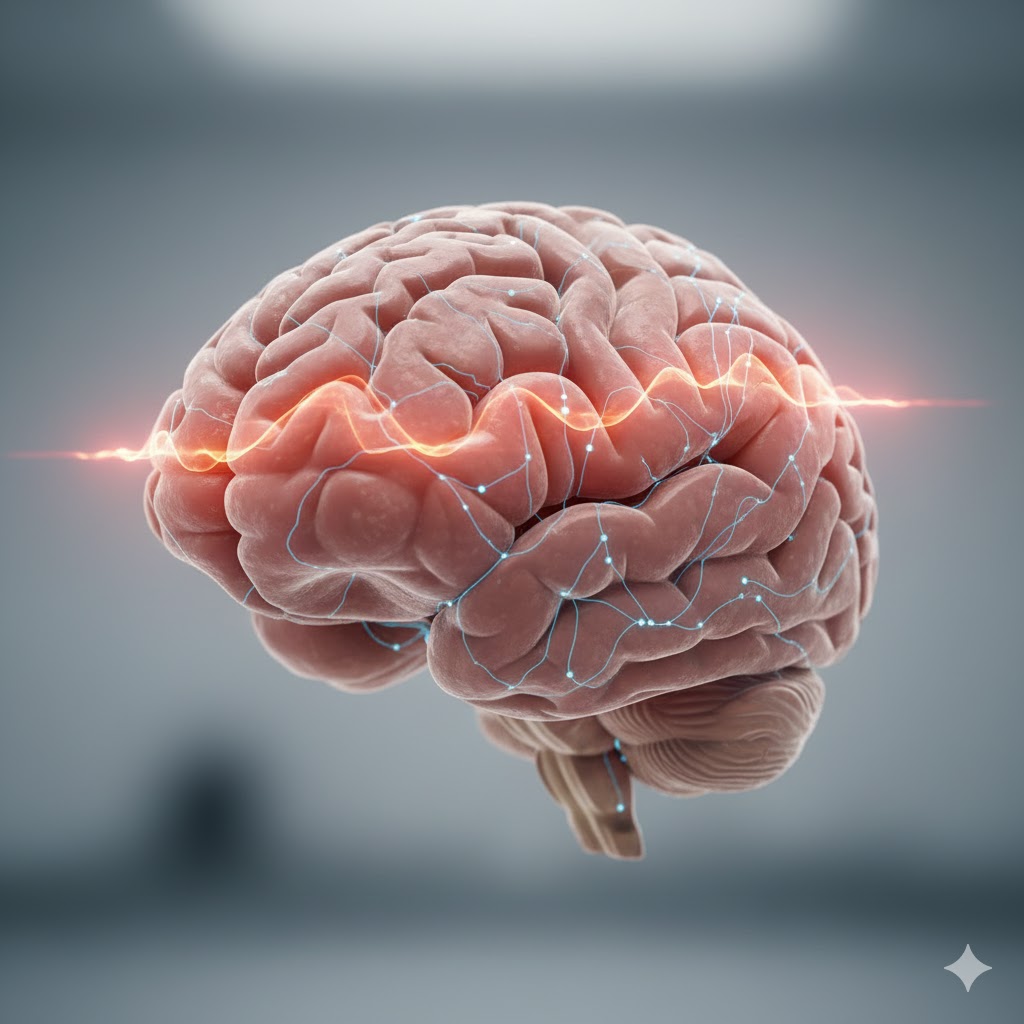
Neuroinflammation refers to inflammation within the brain and central nervous system. Unlike inflammation in a joint or muscle, this process is subtle and often invisible. There is no swelling you can see, no pain you can point to. Yet its impact can be profound.
The brain has its own immune cells, primarily microglia. Under normal conditions, these cells protect the brain, repair damage, and maintain balance. But when they remain activated for long periods – due to chronic stress, illness, metabolic dysfunction, or immune imbalance, they begin to interfere with normal brain signaling.
This is where acute inflammation becomes chronic neuroinflammation.
Chronic neuroinflammation disrupts communication between brain regions, alters neurotransmitter production, and interferes with neuroplasticity – the brain’s ability to adapt and heal. As the saying goes, when the soil is unhealthy, even the strongest seed struggles to grow. The same applies to the brain.
How Does Neuroinflammation Influence Mental Health
Mental health does not exist in isolation from the body. The brain is not a sealed organ operating independently of immune signals, hormones, and metabolism.
Inflammatory molecules known as cytokines can cross the blood–brain barrier or signal through neural pathways. Once they do, they influence how emotions are processed, how stress is regulated, and how motivation is generated.
Research consistently shows that elevated inflammation is associated with:
- Low mood and anhedonia
- Fatigue and slowed thinking
- Reduced motivation and emotional numbness
- Heightened stress sensitivity
This helps explain why depression often overlaps with physical symptoms such as body aches, sleep disturbance, and cognitive fog. The mind and body are speaking the same biological language.
How Does Neuroinflammation and Depression Interact in the Brain
When neuroinflammation and depression interact, the brain’s balance shifts at multiple levels.
Inflammation reduces serotonin availability not by lowering production, but by diverting tryptophan into inflammatory pathways. Dopamine signaling becomes less efficient, affecting motivation and reward. Glutamate regulation is altered, increasing neural noise and emotional volatility.
At the same time, neuroplasticity declines. Brain-derived neurotrophic factor, which supports learning and emotional flexibility, is suppressed by inflammatory signals. The result is a brain that becomes rigid rather than adaptive.
This is why depressive thinking can feel “stuck.” Rumination loops repeat. Emotional responses feel blunted or overwhelming. It is not a lack of insight, it is a brain environment that resists change.
Why Do Some Depression Treatments Stop Working
Many antidepressants are designed to adjust neurotransmitters. They work well when neurotransmitter imbalance is the primary issue. But when inflammation is driving the condition, this approach can fall short.
It is similar to adjusting a thermostat while the windows are open. The system is working, but the environment undermines the result.
Studies show that individuals with elevated inflammatory markers respond less consistently to standard antidepressants. In some cases, medications may improve anxiety or sleep without significantly lifting mood. In others, benefits fade over time.
This does not mean medications are ineffective. It means they are not always sufficient on their own.
Why Is Neuroinflammation and Depression Linked to Treatment Resistance
Treatment-resistant depression is not a single condition. It is a category that includes multiple biological subtypes. Neuroinflammation is one of the most well-supported contributors.
Large meta-analyses have found that people with treatment-resistant depression often show higher levels of inflammatory markers compared to both healthy individuals and those who respond to first-line treatments. These inflammatory signals interfere with medication mechanisms, neural network regulation, and emotional processing.
In other words, the treatment is addressing one layer of the problem while another remains active.
Recognizing this link allows clinicians to move away from trial-and-error care and toward precision-guided intervention.
Which Biomarkers Reveal Underlying Inflammation
One of the most important advances in this field is the ability to measure inflammation objectively. Commonly studied biomarkers include:
- C-reactive protein (CRP)
- Interleukin-6 (IL-6)
- Tumor necrosis factor alpha (TNF-α)
Elevated CRP levels have been repeatedly associated with depressive severity and poor treatment response. IL-6 and TNF-α influence neurotransmitter metabolism and stress regulation directly within the brain.
These markers are not diagnostic on their own. But they provide valuable context. They help answer a question many patients silently ask: Why does this feel different from what I’ve experienced before?
Can Neuroinflammation and Depression Be Identified Through Biomarkers
Biomarkers do not replace clinical assessment. They enhance it.
Depression has always been diagnosed through symptoms and experience. That remains essential. But adding biological data allows clinicians to understand why symptoms persist and how the brain may be functioning differently.
This approach supports a more personalized model of care. One that respects subjective experience while grounding treatment in measurable physiology.
At centers like Mind Brain Institute, this philosophy aligns with a broader shift toward brain-based, evidence-driven mental healthcare, integrating neuroscience, neuromodulation, and clinical insight rather than relying on symptoms alone.
How Does Inflammation Disrupt Brain Networks
Neuroinflammation affects not just chemicals, but communication systems.
Functional imaging studies show that inflammation alters connectivity in key brain networks, including the Default Mode Network. This network is involved in self-reflection and internal thought. When dysregulated, it contributes to rumination, negative self-focus, and persistent emotional loops.
Inflammation also weakens prefrontal control over emotional centers like the amygdala. This makes emotional regulation more difficult, even when a person understands their triggers.
The brain becomes reactive rather than reflective.
What Treatment Approaches Address Brain Inflammation
Addressing neuroinflammation requires a broader lens. Lifestyle interventions such as sleep regulation, movement, and nutrition play a foundational role. Psychotherapy remains essential for meaning-making and behavioral change.
At the same time, neuromodulation approaches such as Transcranial Magnetic Stimulation target dysfunctional brain circuits directly. These interventions do not rely on systemic medication effects and can support neuroplastic recovery even in inflammatory environments. Combining biological insight with targeted brain stimulation may improve outcomes in individuals who have not responded to traditional care.
The goal is not to replace one treatment with another, but to align the intervention with the brain’s underlying state.
Who Should Consider an Inflammation-Focused Evaluation
Not everyone with depression has elevated inflammation. But certain patterns raise the likelihood. These include:
- Depression that does not respond to multiple treatments
- Persistent fatigue, brain fog, or bodily symptoms
- Depression associated with chronic stress or medical illness
- Recurrent relapse despite adequate care
For these individuals, exploring inflammation is not about labeling, it is about understanding.
Overall…
Depression is not a single story with a single cause. It is a spectrum of brain-body interactions shaped by biology, experience, and environment.
Neuroinflammation offers a missing chapter in that story. One that explains why some minds struggle to heal despite effort, insight, and support. And more importantly, one that opens the door to more precise, compassionate care.
When we understand what the brain is facing, we can choose treatments that meet it where it is. And sometimes, that understanding alone can be the beginning of relief.
