


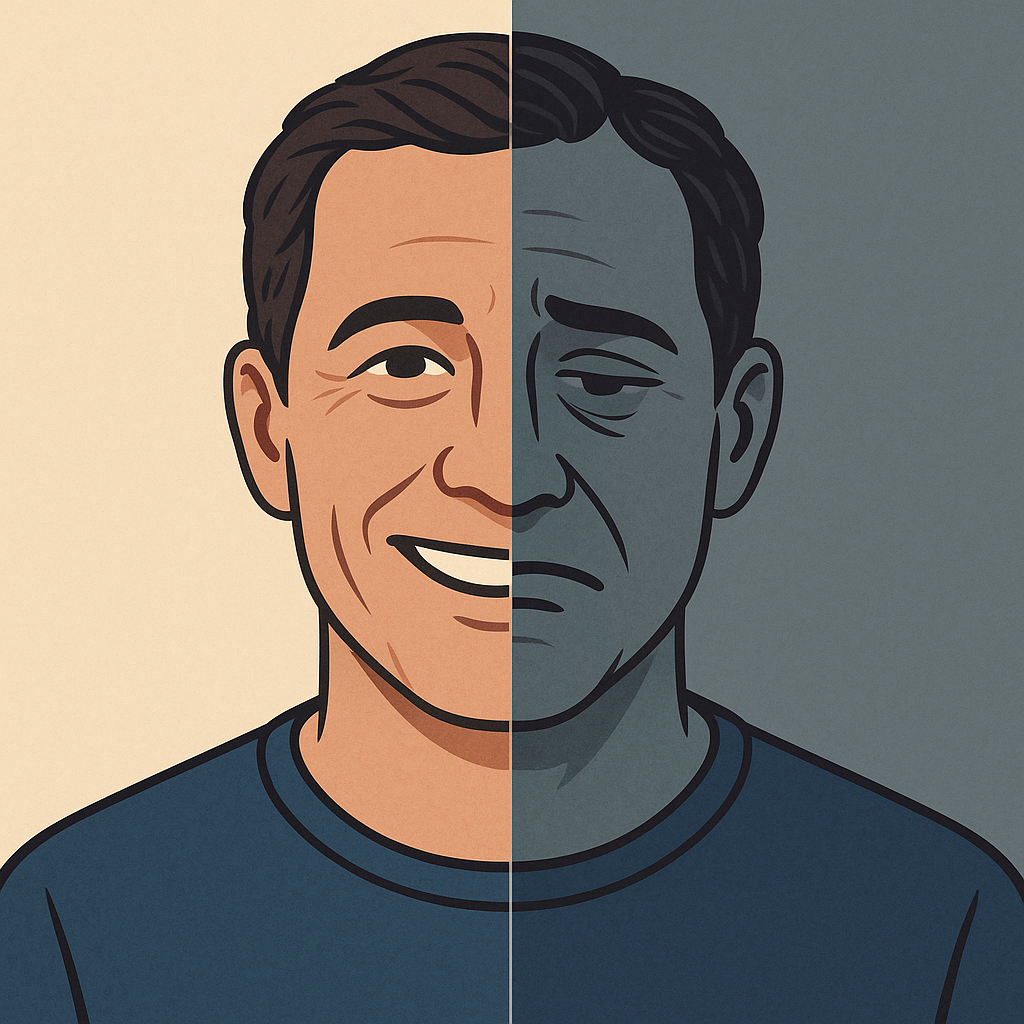

Treatment for High functioning depression and anxiety begins with early recognition
If you’re reading this, there’s a good chance you’re doing “fine” on the outside. You meet deadlines, take responsibility, and keep showing up, often for everyone else. Yet beneath that capable exterior, something feels off. You’re tired in a way sleep doesn’t fix. Your mind never fully switches off. Life feels more like survival than something you actually feel.
This is how high-functioning depression and anxiety often show up. Unlike the stereotypes, they don’t always involve withdrawal or visible breakdowns. They live quietly with people who are still performing, sometimes exceptionally well.
That’s why treatment for High functioning depression and treatment for High functioning anxiety are so often delayed. The struggle doesn’t look “serious enough,” so it gets minimised or rationalised, even by the person experiencing it.
At Mind Brain Institute, we often hear, “I didn’t think I needed help.” If that thought feels familiar, this blog is for you.
What is high-functioning depression?
High-functioning depression is not a clinical diagnosis in manuals, but it is a very real and well-documented experience. It’s often described as depression without sadness, a state where life looks intact, yet feels emotionally hollow.
You may smile, socialise, and succeed, but internally feel numb, disconnected, or constantly tired. Many people experience smiling depression, where emotional pain is hidden behind competence and composure. Common high functioning depression symptoms include persistent guilt, low self-worth, emotional flatness, and chronic fatigue.
Because you’re still “managing,” your mind convinces you that seeking treatment for High functioning depression would be excessive. In reality, early care often prevents deeper emotional collapse later.
What is high-functioning anxiety?
High-functioning anxiety thrives on motion. You’re always thinking, planning, fixing, anticipating. You stay ahead, but at the cost of peace.
People with high-functioning anxiety are often praised for being organised, reliable, and driven. Internally, however, their nervous system is constantly activated. High functioning anxiety symptoms include overthinking, restlessness, muscle tension, sleep disturbances, and an inability to truly relax.
Many develop anxiety masking behaviors such as over-preparing, people-pleasing, micromanaging, or excessive control, to cope. These patterns may work short-term, but over time, they drain emotional reserves.
This is why treatment for High functioning anxiety focuses not only on thoughts, but on calming the body and retraining the nervous system.
How do high-functioning depression and anxiety remain hidden?
High-functioning depression and anxiety often stay hidden because, in many ways, they are quietly rewarded. In high-pressure work cultures and achievement-driven environments, overworking is normalised and emotional suppression is often mistaken for resilience. Being busy, productive, and dependable becomes a badge of strength, even when it comes at a personal cost.
Many people experiencing these conditions fall into what is commonly described as mental health in high achievers. Productivity becomes a socially acceptable shield, allowing distress to stay invisible. Because deadlines are met and responsibilities are handled, emotional struggles rarely raise concern, either from others or from the individual themselves.
The cost of this invisibility is burnout and emotional exhaustion that builds gradually over months or even years. Since nothing visibly “breaks,” there is no clear moment that demands attention, until the body or mind finally pushes back. This is precisely why treatment for High functioning depression and anxiety must begin with awareness, not crisis.
What signs indicate treatment for High functioning depression and anxiety?
Here’s an important question to ask yourself – not “Am I functioning?” but “Am I okay?”
You may benefit from treatment for High functioning depression and anxiety if you notice:
- Chronic emotional exhaustion despite achievement
- Loss of joy or meaning, even when life looks successful
- Feeling constantly “on edge” or mentally overloaded
- Difficulty resting without guilt
- A sense of identity tied only to productivity
Both treatment for High functioning depression and treatment for High functioning anxiety become crucial when functioning comes at the expense of emotional health.
Why is treatment for High functioning depression often delayed?
One of the biggest reasons people delay treatment for High functioning depression and anxiety is a deeply ingrained belief that struggle must look dramatic to be real. When someone is still working, meeting expectations, and appearing capable, they often convince themselves that their distress is not “serious enough” to warrant help.
High-functioning individuals are especially prone to minimising their emotions. They compare themselves to others who seem worse off, rationalise exhaustion as stress, and mistake endurance for resilience. In achievement-driven environments, productivity is rewarded, making it even harder to question whether constant pressure and emotional numbness are warning signs.
There is also fear – fear of being seen as weak, of losing control, or of disrupting a carefully maintained image of competence. Over time, emotional strain becomes normalised. Help is postponed until burnout, anxiety, or depression begins to interfere more visibly with daily life.
This delay doesn’t reflect strength; it reflects how effectively distress has been masked.
How does treatment for high functioning anxiety differ clinically?
Treatment for high functioning anxiety differs clinically because the problem is not a lack of ability to function, it’s a nervous system that never truly rests. People with high functioning anxiety often appear calm and capable, but internally remain in a constant state of alert, driven by fear of failure, excessive responsibility, and the need for control.
Because of this, treatment goes beyond simply managing anxious thoughts. While therapy helps identify patterns of overthinking and perfectionism, effective care also focuses on regulating the body’s stress response. Learning to calm the nervous system, tolerate uncertainty, and reduce hyper-vigilance is essential.
Clinical approaches often include structured psychotherapy, lifestyle regulation, and techniques that restore physiological balance, such as breath work or brain-based therapies. The goal is not to reduce productivity, but to help individuals feel safe and grounded without needing anxiety to stay functional.

When should someone seek treatment for High functioning depression and anxiety?
If you’re constantly tired, emotionally flat, or anxious despite “doing everything right,” that’s an important signal worth paying attention to. When daily life starts to feel like something you’re pushing through rather than genuinely experiencing, it may be time to seek support. Treatment for High functioning depression and anxiety is not reserved for moments of crisis or visible breakdowns. It’s meant for the quieter stages, when functioning begins to replace feeling.
You don’t need to reach a breaking point to deserve care. Seeking help early can prevent burnout, protect relationships, and help you reconnect with a sense of purpose beyond productivity. Early intervention supports not only mental health, but also long-term emotional stability, identity, and overall wellbeing.
What evidence-based options support treatment for high functioning depression and anxiety?
The most effective treatment for high functioning depression and anxiety is integrated, addressing both psychological patterns and the underlying stress response of the brain. Because individuals continue to function outwardly, care must go beyond surface-level performance and focus on what is happening internally.
Structured psychotherapies such as Cognitive Behavioural Therapy (CBT) play a central role. CBT helps individuals recognise patterns of perfectionism, chronic self-criticism, and emotional avoidance that often sustain distress. Both treatment for High functioning depression and treatment for High functioning anxiety benefit from insight-driven therapy that builds emotional awareness and healthier coping strategies.
Lifestyle regulation is equally foundational. Consistent sleep, balanced nutrition, movement, and daily routines help stabilise mood and restore emotional resilience. In some cases, medication may be considered, particularly when symptoms significantly interfere with daily functioning.
Research shows that nearly most individuals with depression continue to function at work while experiencing significant internal distress, highlighting why integrated care is essential.
At Mind Brain Institute, treatment is personalised and holistic, not limited to a single method. Each individual receives a carefully tailored care plan based on their emotional profile, stress patterns, lifestyle, and clinical needs. Therapy is integrated with evidence-based neurotherapeutic support, lifestyle guidance, and ongoing clinical monitoring to ensure balanced and sustainable recovery. This coordinated approach helps individuals move beyond short-term symptom relief and build long-term emotional resilience.

