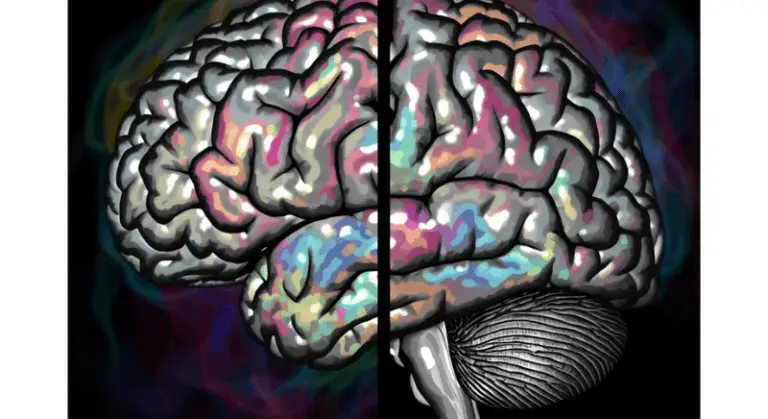
When it comes to understanding the brain, you may come across different types of brain tests, including QEEG brain mapping and MRI. Although both can provide valuable information, they are designed to examine very different aspects of the brain.
Understanding Brain Mapping vs MRI can help you know why a healthcare professional may recommend one test over another and what each assessment can tell you.
What Is QEEG Brain Mapping?
QEEG stands for Quantitative Electroencephalography. It is a computerized method of recording and analyzing the brain’s electrical activity. During a QEEG Mapping session, sensors are placed on the scalp to record electrical signals produced by brain activity. The information collected can then be analyzed to identify patterns across different areas and frequencies of brain activity.
Unlike an MRI, QEEG does not produce detailed pictures of the brain’s physical structure. Instead, it provides information about brainwave activity and functional patterns. QEEG may be used as part of a broader clinical assessment when a healthcare professional wants additional information about brain activity.
What Is an MRI?
MRI stands for Magnetic Resonance Imaging. It is a medical imaging technique used to create detailed images of structures inside the body, including the brain.
An MRI uses a strong magnetic field and radio waves to produce images of brain tissue and other structures. Depending on the type of MRI performed, it can help healthcare professionals examine different physical features of the brain.
The main purpose of an MRI is therefore to look at brain structure, rather than electrical brain activity.
Brain Mapping vs MRI: What Is the Main Difference?
The easiest way to understand the difference is:
QEEG brain mapping evaluates electrical brain activity, while MRI evaluates the physical structure of the brain.
QEEG records brainwave activity through sensors placed on the scalp. It can provide information about patterns in different brainwave frequencies and regions MRI, on the other hand, creates images that allow healthcare professionals to examine the anatomy of the brain. Because they measure different things, QEEG and MRI should not be considered competing tests. They serve different purposes and may be recommended depending on the individual’s symptoms and clinical needs.
What Can a QEEG Brain Test Tell You?
A QEEG brain test provides information about electrical activity in the brain. Brain activity is often described using different frequency ranges, including delta, theta, alpha, and beta. QEEG analysis can help identify patterns in these frequencies and how activity varies across different areas of the brain. This information may be useful as part of a broader assessment. However, QEEG findings should always be interpreted alongside a person’s symptoms, medical history, and other clinical information.
It is also important to understand that a QEEG test should not be treated as a standalone diagnostic test for conditions such as depression, anxiety, or ADHD. Mental health diagnoses require appropriate clinical evaluation by a qualified professional.
What Can an MRI Show?
MRI is primarily used to examine the physical structure of the brain. It can provide detailed images that help healthcare professionals investigate certain structural or neurological concerns. Depending on the clinical situation, an MRI may be recommended when symptoms indicate that structural abnormalities need to be investigated.
Unlike QEEG, an MRI does not measure ordinary brainwave activity. This is why an MRI and a QEEG brain mapping assessment provide different types of information.
Is QEEG Better Than MRI?
There is no straightforward answer because QEEG and MRI have different purposes. If a healthcare professional needs to examine the physical structure of the brain, an MRI may be appropriate. If the goal is to obtain information about electrical brain activity, QEEG may be considered.
In certain situations, different assessments may be used as part of a wider evaluation. The appropriate test depends on the individual’s symptoms, medical history, and the clinical question being addressed. Rather than asking which test is better, it is more useful to ask which test is appropriate for the information that needs to be evaluated.
Why Professional Interpretation Is Important
Brain tests can provide detailed information, but the results need to be interpreted correctly. QEEG findings should be considered alongside symptoms, clinical history, and other relevant assessments. Similarly, MRI images need to be reviewed and interpreted by appropriately trained healthcare professionals. A test result on its own does not always explain why someone is experiencing particular symptoms.
If you are considering a Brain Mapping Test, discussing your concerns with a qualified professional can help you understand whether QEEG brain mapping is appropriate for your situation. At Mind Brain Institute, you can contact us to learn more about QEEG Brain Mapping, the assessment process, and how it may be considered as part of a broader mental health evaluation.
Frequently Asked Questions
1. Is QEEG the same as an MRI?
No. QEEG measures electrical activity and brainwave patterns, while MRI creates detailed images of the brain’s physical structures. They are different types of brain tests.
2. Does QEEG brain mapping use radiation?
No. QEEG records electrical brain activity using sensors placed on the scalp and does not use ionizing radiation.
3. Can QEEG diagnose depression?
QEEG should not be considered a standalone diagnostic test for depression. Depression is diagnosed through a comprehensive clinical evaluation. QEEG findings may provide additional information when considered alongside other clinical factors.
4. Do I need an MRI before having a QEEG brain mapping test?
Not necessarily. An MRI and QEEG serve different purposes. Whether an MRI is appropriate depends on your symptoms, medical history, and the healthcare professional’s assessment.
5. How do I know whether I need QEEG or MRI?
The appropriate test depends on what needs to be evaluated. If you are unsure whether QEEG brain mapping may be suitable for you, contact a qualified healthcare professional to discuss your concerns and available assessment options.